US-Israel rift widens as Iran nuclear talks enter last lap
26 Feb 2015
As nuclear talks between six major powers and Iran edge closer to a possible resolution, tension has increased between the United States and its old ally Israel, which accused negotiators of having "given up" on prevention of an Iranian nuclear weapons programme.
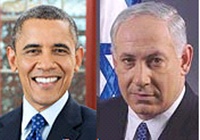 The tempo of talks in Geneva between Iranian and US officials increased as the two nations considered a deal that might strictly limit Iran's capacity to make a nuclear material, but later ease restrictions, The New York Times reported on Wednesday.
Under the possible deal – alleged details of which were passed to the Associated Press news agency - Iran would accept restrictions on its nuclear programme for 10 to 15 years, in return for a lifting of sanctions.
The Obama administration admitted last week that it is deliberately keeping Israel out of the loop in the talks. (See: Strained ties: US hides details of Iran talks from Israel).
On Monday, Israel Prime Minister Benjamin Netanyahu reminded the six powers involved in the talks - the five permanent members of the UN Security Council and Germany - of their pledge to prevent Iran from acquiring the ability to make nuclear weapons.
"From the agreement that is forming it appears that they have given up on that commitment and are accepting that Iran will gradually, within a few years, develop capabilities to produce material for many nuclear weapons," said Netanyahu. "They might accept this - but I am not willing to accept this."
To date US negotiators have sought to hammer out a deal that would see the so-called "breakout time" – the time Iran would need to create a nuclear weapon should it break conditions of the agreement – to a year or more. Such a timetable is considered necessary to allow an international coalition time to respond with sanctions or even military force if Iran breaks agreements.
Negotiators from both sides have had their task complicated by hardliners in Tehran and Washington.
The White House has denied reports that any deal with Iran would last for only 10 years. US officials had previously said they wanted the agreement to last for a "double-digit" period.
Netanyahu is set to visit the US next week to address Congress at the invitation of the Republican Speaker of the House, John Boehner. The address was organised without the knowledge of President Barack Obama.
The visit is controversial not only due to the apparent snubbing of President Obama, but because the White House has a practice of not appearing to endorse leaders facing elections, as Netanyahu does in three weeks.
On Wednesday Obama's chief diplomat, Secretary of State John Kerry, questioned Netanyahu's foreign policy judgment as he testified before a Republican-dominated foreign affairs committee in the House of Representatives.
Referring to Netanyahu's condemnation of the Iran talks, Kerry said with clear irony, "The Prime Minister was also profoundly forward-leaning and very outspoken about the importance of invading Iraq under George W Bush."
Kerry also rejected Netanyahu's criticism of earlier temporary deals with Iran, saying, "Israel is safer today with the added time we have given and the stoppage of the advances in the nuclear program than they were before we got that agreement - which, by the way, the prime minister opposed. He was wrong."
A day earlier Obama's national security adviser, Susan Rice, was even more pointed in her criticism of Netanyahu.
She told PBS that the visit just before the election had "injected a degree of partisanship, which is not only unfortunate, I think it's destructive of the fabric of the relationship".
On Wednesday, White House spokesman Josh Earnest endorsed Dr Rice's statement. "Her comments are entirely consistent with what the President has already said," he said.
Obama will not meet with Netanyahu, whose address coincides with the last days of negotiations with Iran.