US-Iran tensions escalate ahead of Trump’s China summit
By Axel Miller | 07 May 2026
Summary
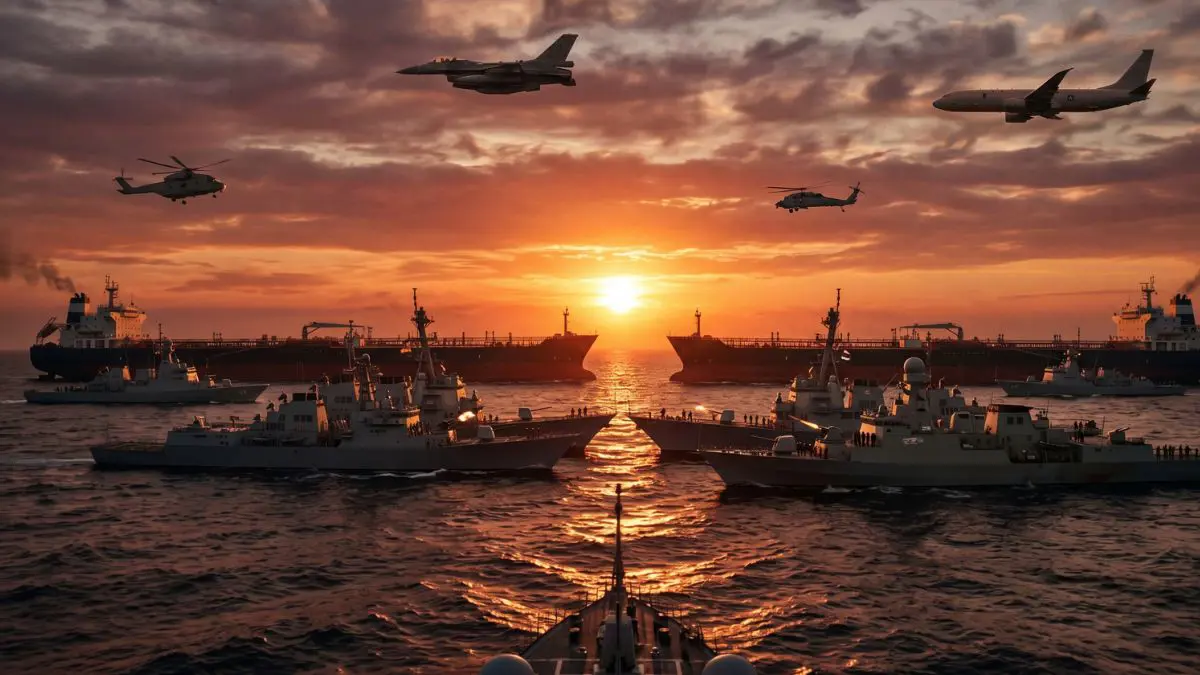
Tensions in the Gulf intensified after reports of a US military interception involving an Iranian-linked tanker near the Gulf of Oman, while former US President Donald Trump renewed pressure on Tehran ahead of a planned China visit. At the same time, global shipping firms warned that disruptions around the Strait of Hormuz are continuing to inflate insurance, freight, and fuel costs across international trade routes. In Lebanon, renewed Israeli strikes on Beirut’s southern suburbs added to concerns that wider regional instability could undermine already fragile diplomatic efforts.
WASHINGTON/BEIJING, May 7, 2026 — The geopolitical standoff surrounding Iran and the Strait of Hormuz continues to dominate global energy and shipping markets, as diplomatic pressure and military signaling intensify simultaneously.
While several reports circulated regarding a US action against an Iranian-linked tanker in the Gulf of Oman, there has been no independent confirmation from major international agencies that a US fighter jet “shot out” a tanker’s rudder. Analysts instead describe the situation as part of a broader maritime enforcement and deterrence campaign linked to escalating sanctions enforcement and naval monitoring in the region.
Former US President Donald Trump, meanwhile, reiterated calls for a tougher negotiating stance toward Tehran ahead of an expected diplomatic engagement linked to his China visit. Trump warned that failure to secure a broader agreement on Iran’s nuclear activities and regional actions could lead to renewed military escalation.
The developments come as global markets remain highly sensitive to any threat around the Strait of Hormuz, through which roughly one-fifth of global oil trade normally passes.
Shipping costs and energy volatility rise
The continued instability around Gulf shipping lanes is creating significant pressure on the logistics industry. Major container operators, including Hapag-Lloyd, have warned that rerouting vessels, elevated insurance premiums, and higher fuel costs are materially affecting profitability and global freight pricing.
Although crude prices eased slightly during recent trading sessions amid hopes of renewed diplomacy, energy analysts caution that volatility remains elevated. Brent crude has fluctuated sharply in recent weeks as traders react to both military developments and diplomatic signals from Washington, Tehran, Beijing, and Gulf states.
Shipping and energy executives continue to warn that even limited disruptions in Hormuz can quickly ripple through supply chains, affecting everything from petrochemicals to consumer goods and industrial manufacturing.
Beirut strike adds pressure to fragile regional calm
Regional tensions were further heightened after Israeli strikes targeted Beirut’s southern suburbs for the first time in weeks. Israeli officials said the operation targeted Hezbollah-linked infrastructure and personnel associated with the group’s Radwan Force.
The strike has renewed fears that Lebanon could again become a flashpoint within the broader Iran-Israel confrontation. Diplomatic observers note that even if Washington and Tehran move toward temporary de-escalation, proxy conflicts involving Hezbollah, Gaza, Syria, and Red Sea security could continue destabilizing the region.
Iranian officials have also reportedly sought deeper engagement with China and other regional actors to build diplomatic backing amid ongoing negotiations and sanctions pressure.
Why this matters
- Global shipping pressure:
Higher insurance premiums and rerouting costs in the Gulf continue to raise transportation expenses for global trade, contributing to inflationary pressure worldwide. - Energy market volatility:
Even partial disruption fears around Hormuz can rapidly move oil prices, impacting fuel, aviation, manufacturing, and consumer goods sectors globally. - Geopolitical uncertainty:
The overlapping crises involving Iran, Israel, Lebanon, and Gulf shipping lanes highlight how fragile regional stability remains despite ongoing diplomatic efforts.
FAQs
Q1. Why is the Strait of Hormuz so important?
The Strait of Hormuz is one of the world’s most critical energy chokepoints, handling a major share of global crude oil and LNG shipments between the Middle East and international markets.
Q2. Have oil supplies been fully disrupted?
No. Oil exports continue, but shipping companies and insurers are charging higher premiums because of the increased military and geopolitical risks in the region.
Q3. Why are global shipping companies concerned?
Shipping firms face higher fuel costs, war-risk insurance, and possible rerouting delays, all of which reduce margins and increase costs for global trade customers.