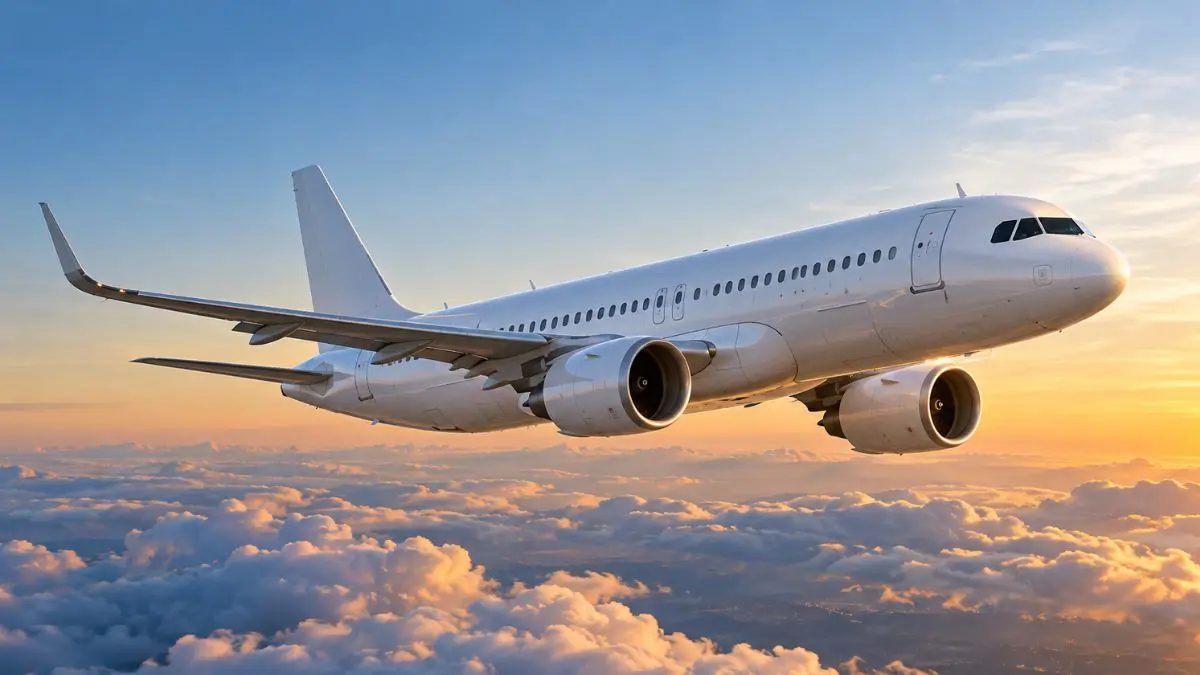
ACG orders 75 Airbus A320neo Family jets in record $11.8B deal
By Axel Miller | 16 Oct 2026
Summary
- Record aircraft order: Aviation Capital Group (ACG), a California-based aircraft lessor wholly owned by Japan’s Tokyo Century Corporation, has placed a firm order for 75 Airbus A320neo Family aircraft. The purchase is the largest order in ACG’s nearly 40-year history.
- Deliveries from 2032 to 2035: The aircraft are scheduled for delivery between 2032 and 2035, extending ACG’s fleet pipeline into the next decade and giving the lessor additional capacity to serve airlines seeking newer, fuel-efficient aircraft.
- Estimated list-price value: The order has an estimated list-price value of approximately ¥1.856 trillion ($11.76 billion). The actual purchase price has not been disclosed because of commercial confidentiality.
NEWPORT BEACH, California, October 16, 2026 — Aviation Capital Group has placed a firm order for 75 Airbus A320neo Family aircraft, marking the largest aircraft order in the California-based lessor’s nearly 40-year history.
Announced on October 16 by Airbus and ACG’s parent company, Tokyo Century Corporation, the order adds to the lessor’s portfolio of fuel-efficient single-aisle aircraft. Deliveries are scheduled to take place between 2032 and 2035, extending the company’s supply of new aircraft well into the next decade.
The transaction carries an estimated list-price value of approximately ¥1.856 trillion ($11.76 billion). However, the actual acquisition cost has not been disclosed. List prices do not necessarily reflect the final prices negotiated between aircraft manufacturers and customers, particularly for large orders.
ACG is headquartered in Newport Beach, California, and is wholly owned by Tokyo Century, a Japanese financial services group. The lessor purchases and manages aircraft that it leases to airlines worldwide, helping carriers obtain aircraft without having to fund every purchase directly from their own balance sheets.
Thomas Baker, ACG’s chief executive officer and president, described the order as a milestone in the company’s history. He said ACG’s strategy focuses on new-technology narrowbody aircraft that are in demand among airlines globally. Airbus also highlighted the order as a continuation of its long-standing relationship with the lessor, which placed its first Airbus order in 2007.
The order covers the A320neo Family, rather than a single aircraft variant. Airbus’ family includes the A320neo and A321neo, among other versions, allowing airlines and lessors to select aircraft suited to different capacity and route requirements. ACG’s announcement also includes conversion rights between variants within the family, giving the lessor flexibility over its future delivery pipeline.
Securing long-term aircraft supply
The delivery schedule from 2032 to 2035 reflects the importance of long-term planning in the commercial aviation industry. Airlines need to balance fleet expansion and replacement with aircraft availability, operating costs and passenger demand.
Aircraft lessors play a significant role in this process by ordering aircraft in advance and leasing them to carriers. This can help airlines manage capital requirements and obtain newer aircraft without bearing the full upfront purchase cost.
For ACG, the 75-aircraft order creates additional opportunities to offer new-generation aircraft to airline customers over the next decade. The commercial value of those delivery positions will ultimately depend on airline demand, lease terms, aircraft configurations and market conditions closer to delivery.
Airbus and other aircraft manufacturers continue to manage production ramp-ups alongside supply-chain constraints. Engine availability and other component deliveries have been among the factors affecting the pace of aircraft production. These industry-wide issues make delivery planning important for manufacturers, airlines and lessors alike.
However, the ACG order should not be interpreted as evidence that every narrowbody production slot is unavailable until the early 2030s. The order confirms ACG’s own delivery schedule, while the availability of other delivery positions varies by manufacturer, aircraft variant and customer agreement.
Tokyo Century’s role in aviation leasing
Tokyo Century’s ownership gives ACG the backing of a diversified financial services group with an established aircraft leasing business. The relationship connects a US-based aircraft lessor with a Japanese parent company operating in international financial markets.
Aircraft leasing allows airlines to access aircraft while spreading fleet costs over the lease term. For lessors, returns depend on factors such as acquisition prices, financing costs, lease rates, residual aircraft values and the ability to place aircraft with customers.
ACG’s latest order increases its commitment to the Airbus A320neo Family and reinforces its focus on narrowbody aircraft. Airbus says the family offers at least 20% lower fuel consumption and carbon dioxide emissions compared with previous-generation single-aisle aircraft, supporting airlines’ efforts to improve fuel efficiency and reduce operating costs. Actual savings depend on the aircraft configuration, route, operating conditions and comparison used.
The order also expands ACG’s future delivery pipeline at a time when airlines continue to evaluate fleet renewal and capacity requirements. The additional aircraft will give the lessor more assets to offer customers, although the eventual financial returns will depend on market conditions when the jets are delivered and leased.
Why this matters
- Long-term fleet planning: The 75-aircraft order gives ACG a larger supply of new-generation narrowbody jets to offer airlines between 2032 and 2035.
- Aircraft leasing demand: Lessors provide an alternative to direct aircraft ownership, helping airlines manage capital expenditure and fleet replacement.
- Fuel efficiency: The A320neo Family offers lower fuel consumption and emissions than previous-generation single-aisle aircraft, although actual performance varies by aircraft and operation.
- International aviation finance: The order highlights the role of Tokyo Century-owned ACG in financing and supplying aircraft for global airline customers.
FAQs
Q1: What did Aviation Capital Group order from Airbus?
ACG placed a firm order for 75 Airbus A320neo Family aircraft. Airbus and ACG described it as the largest order in the lessor’s nearly 40-year history.
Q2: When are the aircraft scheduled for delivery?
Deliveries are scheduled between 2032 and 2035. ACG also has conversion rights between variants within the A320neo Family, providing flexibility in its future aircraft pipeline.
Q3: What is the reported value of the order?
The order has an estimated list-price value of approximately ¥1.856 trillion, equivalent to about $11.76 billion. The actual purchase price has not been disclosed.
Q4: Who owns Aviation Capital Group?
ACG is wholly owned by Tokyo Century Corporation, a Japanese financial services group. ACG is headquartered in Newport Beach, California, and leases aircraft to airlines worldwide.
Q5: Why are aircraft lessors ordering jets years ahead of delivery?
Advance orders help lessors plan future fleet availability and respond to airlines’ expected replacement and expansion needs. The commercial returns depend on acquisition costs, financing, lease rates, aircraft values and market conditions at the time of delivery.