Modi in Washington to attend nuclear security summit
31 Mar 2016
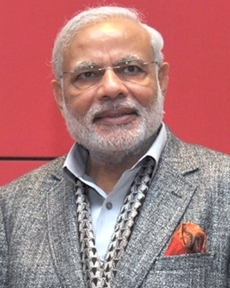 Prime Minister Narendra Modi landed in Washington today to attend the two-day Nuclear Security Summit of leaders from over 50 countries who will share their assessment of the threat from nuclear weapons and materials.
The biennial event takes place amidst fears that nuclear materials may fall into the hands of Islamic State or other terrorist groups and this will be a major issue at the summit.
The event, launched in 2010 at the initiative of US President Barack Obama, who made nuclear non-proliferation a priority, however, will not have Russian participation.
Russia, the world's other major nuclear power along with the US, is skipping the summit to protest "a certain lack of cooperation during the preliminary stage of working on issues and topics of the summit", Kremlin spokesperson Dmitry Peskov said on Wednesday.
Modi, during his two-day stay in Washington, is scheduled to interact with a number of world leaders, including the host President Barack Obama.
Attending the Nuclear Security Summit for the first time, Modi is expected to lay out his vision of securing nuclear weapons.
This is Modi's third visit to the US and second to Washington since becoming Prime Minister in 2014.
The summit will begin on Thursday evening with a working dinner at the White House where Obama and the heads of the respective national delegations "will share their perspectives about the threat of nuclear terrorism", Deputy National Security Adviser Ben Rhodes said.
Last week's terror attacks in Brussels have given further impetus to efforts to safeguard stockpiles of nuclear material.
French President François Hollande, Britain's David Cameron, Turkish President Recep Tayyip Erdogan, Ukraine's Petro Poroshenko, and the President of Kazakhstan, Nursultan Nazarbayev among the leaders will attend the summit.
Kazakhstan co-chairs with Japan the organisation pushing for implementation of the Comprehensive Nuclear Test Ban Treaty.
The collapse of the Soviet Union in 1991 left Kazakhstan in possession of the world's fourth-largest nuclear arsenal, the government of the newly-independent nation ordered the immediate dismantlement of the stockpile.
In 2006, Astana ratified the Central Asian Nuclear-Weapon-Free Zone and last year, Kazakhstan became the home of the International Atomic Energy Agency's Low Enriched Uranium Bank, which is meant to ensure a supply of fuel for peaceful nuclear power.