Sugarcane cools climate after deforestation
07 May 2011
Brazilians are world leaders in using bio-fuels for gasoline. About a quarter of their automobile fuel consumption comes from sugarcane, which significantly reduces carbon dioxide emissions that otherwise would be emitted from using gasoline.
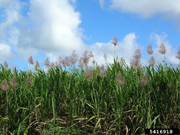 Now scientists from the Carnegie Institution's Department of Global Ecology have found that sugarcane has a double benefit. Expansion of the crop in areas previously occupied by other Brazilian crops cools the local climate.
It does so by reflecting sunlight back into space and by lowering the temperature of the surrounding air as the plants ''exhale'' cooler water. The study is published in the 2nd issue of Nature Climate Change, posted on-line April 17.
The research team, led by Carnegie's Scott Loarie, is the first to quantify the direct effects on the climate from sugarcane expansion in areas of existing crop and pastureland of the cerrado, in central Brazil.
The researchers used data from hundreds of satellite images over 733,000 square miles - an area larger than the state of Alaska. They measured temperature, reflectivity (also called albedo), and evapotranspiration - the water loss from the soil and from plants as they exhale water vapour.
As Loarie explained, ''We found that shifting from natural vegetation to crops or pasture results in local warming because the plants give off less beneficial water. But the bamboo-like sugarcane is more reflective and gives off more water - much like the natural vegetation. It's a potential win-win for the climate - using sugarcane to power vehicles reduces carbon emissions, while growing it lowers the local air temperature.''

























