US Congressional negotiators near budget deal to ease spending cuts
11 Dec 2013
US congressional negotiators are nearing a deal aimed at keeping the government going for nearly two more years, striking a rare bipartisan agreement that is expected to ease the threat of automatic spending cuts, following a deal that ended the US government shutdown in October (See: US Congress passes bill to end debt crisis; shutdown ends).
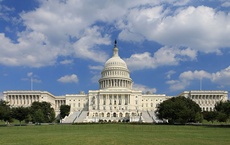 Following weeks of closed-door meetings, House Budget Committee chairman Paul Ryan, a Republican, and Senate Budget Committee chairwoman Patty Murray, a Democrat, came up with a deal, which fell short of a political grand bargain but was good enough to probably pass both chambers of Congress before lawmakers ended their 2013 session next week.
According to Ryan, the new congressional budget deal was a "clear improvement on the status quo". If the deal gets the approval of Congress which was expected, it was not certain whether the deal would allow the government to keep running past 15 January, when funding would expire.
It would also bypass the next round of automatic cuts, or sequester, set to go into effect the same day.
"This agreement breaks through the recent dysfunction to prevent another government shutdown," Murray said, as she and Ryan met with reporters. "It's a good step in the right direction that can hopefully rebuild some trust and serve as a foundation for continued bipartisan work."
According to commentators, the big question now was whether both chambers of Congress would go along with the deal.
Murray and Ryan had said that while announcing the plan, that though far from perfect, the plan would provide economic certainty by establishing a bipartisan budget for the first time in four years.
''It is an important step in helping heal some of the wounds here in Congress,'' Murray, a Washington state Democrat, said yesterday at a Capitol Hill news conference.
The limited agreement is aimed at ending three years of political deadlock in Congress over spending and revenue that culminated in a 16-day government shutdown in October. The approval ratings of lawmakers have suffered heavily amid the regular disputes over the budget.
The deal has meanwhile come in for much criticism from some Republicans, including those supported by the small-government Tea Party movement, which said it traded away concrete spending cuts for future promises.
The Tea Party would also oppose House Speaker John Boehner's attempt to win passage for the deal in his chamber later this week.