China urges Iran to ensure navigation safety in Strait of Hormuz
By Cygnus | 16 Apr 2026
Summary
China’s Foreign Minister Wang Yi has urged Iran to ensure safe and free navigation through the Strait of Hormuz, highlighting its importance for global trade.
The call comes amid rising regional tensions and concerns over disruptions to oil shipments, though no confirmed “total blockade” or near-zero traffic has been officially verified.
Diplomatic efforts involving regional players, including Pakistan, are ongoing to prevent further escalation and maintain maritime stability.
BEIJING, April 16, 2026 — China has called for stability in one of the world’s most critical energy corridors, as Wang Yi urged Iran to uphold freedom of navigation in the Strait of Hormuz during talks with his Iranian counterpart Abbas Araghchi.
Rising tensions, but no confirmed closure
The statement reflects growing concern over geopolitical tensions in the Gulf region, which have increased risks for commercial shipping. However, there is no verified evidence of a complete blockade or a total halt in vessel movement through the strait.
The waterway remains operational, though shipping companies are reportedly exercising caution due to security risks and higher insurance costs.
Strategic importance of Hormuz
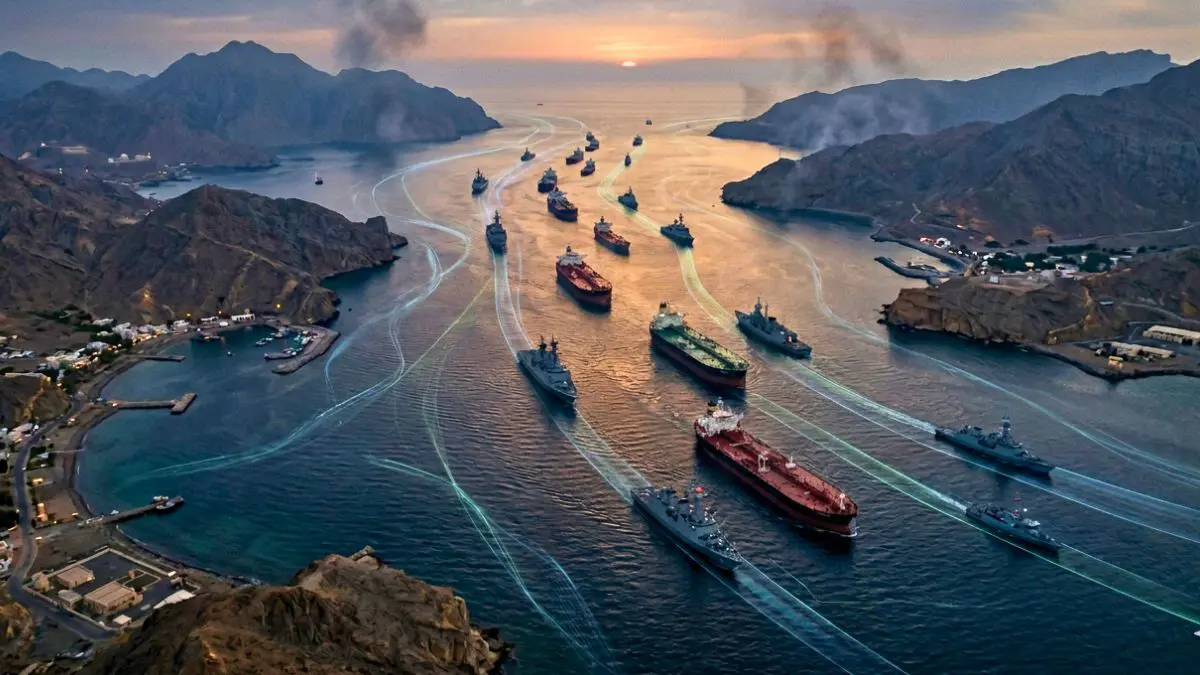
The Strait of Hormuz handles a significant share of global oil and LNG trade, making any disruption a major concern for economies such as China and India.
China’s messaging signals its priority: maintaining uninterrupted energy flows while avoiding deeper involvement in regional conflicts.
Diplomatic channels remain active
Regional diplomacy is ongoing, with countries including Pakistan engaging both sides to reduce tensions. While no formal breakthrough has been announced, the focus remains on preventing escalation and ensuring maritime safety.
Why this matters
- Energy security risk: Even partial disruption in Hormuz can push up global oil prices.
- Global trade impact: The strait is a key artery for Asia-bound energy supplies.
- Geopolitical balancing: China is signalling concern without directly confronting Iran.
FAQs
Q1. Is the Strait of Hormuz closed?
No. It remains open, though tensions have increased operational risks for shipping.
Q2. Why is China involved?
China depends heavily on Gulf oil imports, making stability in the region critical.
Q3. Are peace talks happening?
Diplomatic engagements are ongoing, but no confirmed agreement has been reached yet.