A tale of two energies: how geopolitical tensions exposed Asia’s fossil fuel vulnerability
By Cygnus | 16 Apr 2026
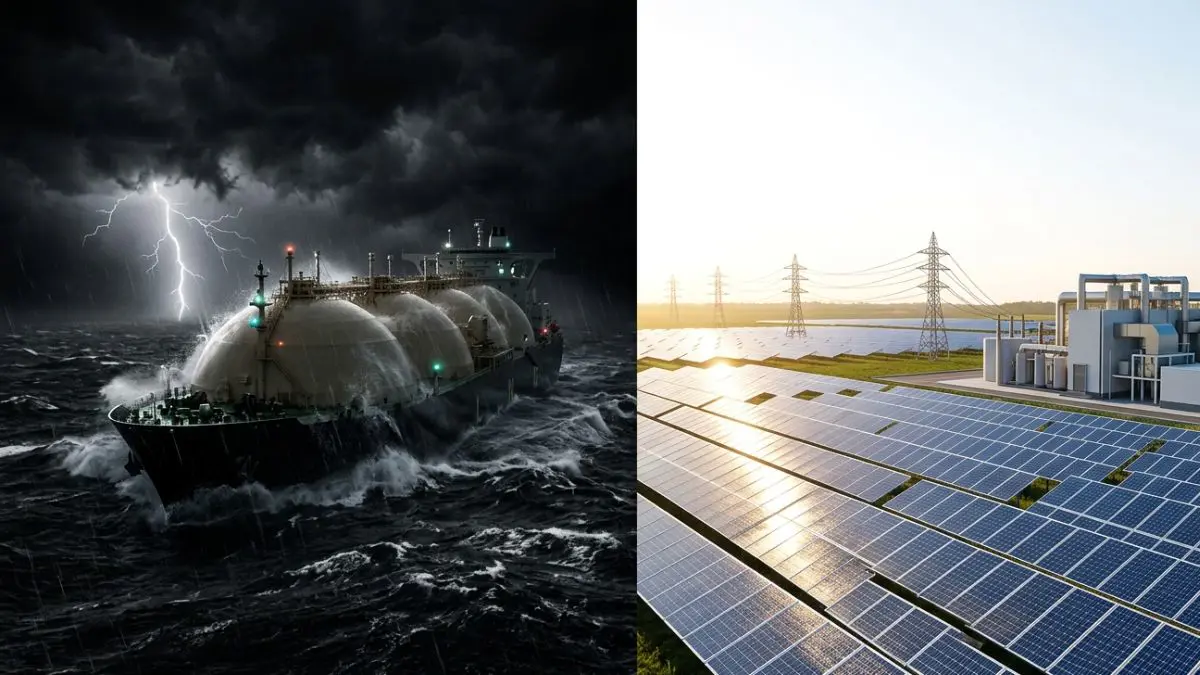
Summary
Geopolitical tensions in the Middle East have driven volatility in global oil and LNG markets, raising import costs for energy-dependent Asian economies like Bangladesh.
Pakistan’s growing adoption of solar energy is helping reduce reliance on imported fuels, offering partial insulation from global price shocks.
Analysis by Ember suggests that scaling solar and storage could significantly reduce long-term energy costs across Southeast Asia compared to continued gas expansion.
SINGAPORE, April 16, 2026 — Rising geopolitical tensions in the Middle East have once again highlighted a structural weakness in Asia’s growth model: heavy dependence on imported fossil fuels. While markets have not fully shut down, disruptions and uncertainty around key shipping routes like the Strait of Hormuz have driven sharp price volatility across oil and liquefied natural gas (LNG).
The import burden: Bangladesh’s exposure
Countries such as Bangladesh remain highly exposed due to their reliance on imported LNG for power generation. Spot LNG prices have surged during periods of supply disruption, forcing utilities to either absorb higher costs or pass them on to consumers.
While exact monthly figures fluctuate, analysts note that energy imports now account for a significant share of Bangladesh’s total import bill, putting pressure on foreign exchange reserves and currency stability.
The solar buffer: Pakistan’s gradual shift
In contrast, Pakistan has accelerated its adoption of decentralized solar power in recent years. Rooftop installations across industrial and commercial sectors have reduced dependence on grid electricity and imported fuels.
Although solar does not yet dominate the energy mix, it is increasingly providing a cost-effective supplement, particularly during daylight hours. This shift has helped some industries manage energy costs more predictably amid global price swings.
The regional cost equation
According to Ember, Southeast Asia faces a major investment decision. Current plans to expand gas-fired capacity could lock in high costs due to volatile LNG prices.
In contrast, combining solar power with battery storage is becoming increasingly competitive, especially as technology costs decline. Over time, this could reduce reliance on imported fuels and improve energy security across the region.
A shifting energy narrative
From Singapore to Thailand, policymakers are reassessing the long-held view of natural gas as a stable “bridge fuel.” Price spikes and supply risks have exposed its vulnerability to geopolitical shocks.
Energy experts argue that domestic renewable sources—particularly solar—offer a more stable and predictable pathway, as they are not subject to global supply disruptions or shipping bottlenecks.
Why this matters
Import dependence risk: Heavy reliance on fossil fuel imports exposes economies to price shocks, currency pressure, and trade imbalances.
Industrial competitiveness: Lower and more stable energy costs from renewables can give manufacturers an edge in export markets.
Energy security: Unlike imported fuels, domestic renewable energy reduces exposure to geopolitical disruptions.
FAQs
Q1. Why are LNG prices so volatile?
LNG prices are influenced by global supply-demand dynamics and geopolitical risks, especially in key transit routes like the Strait of Hormuz.
Q2. Can solar fully replace fossil fuels?
Not immediately. However, solar combined with storage can significantly reduce dependence on fossil fuels, especially for daytime and peak demand.
Q3. Is gas still a reliable transition fuel?
Gas remains important, but recent volatility has raised concerns about its long-term reliability and cost stability.

























