India Allows Limited Flexibility for Oil Shipments Amid Hormuz Disruptions
By Axel Miller | 10 Apr 2026
Summary
- The Ministry of Ports, Shipping and Waterways has allowed limited operational flexibility for oil shipments amid supply disruptions linked to tensions in the Strait of Hormuz.
- Indian refiners are evaluating alternative crude supplies, including cargoes already in transit, to maintain refinery throughput.
- The move reflects a broader effort by India to safeguard energy security while remaining compliant with international sanctions frameworks.
NEW DELHI, April 10, 2026 — India has introduced temporary operational relaxations for handling crude oil shipments as refiners navigate supply disruptions caused by heightened geopolitical tensions in the Strait of Hormuz.
Operational Flexibility Amid Disruptions
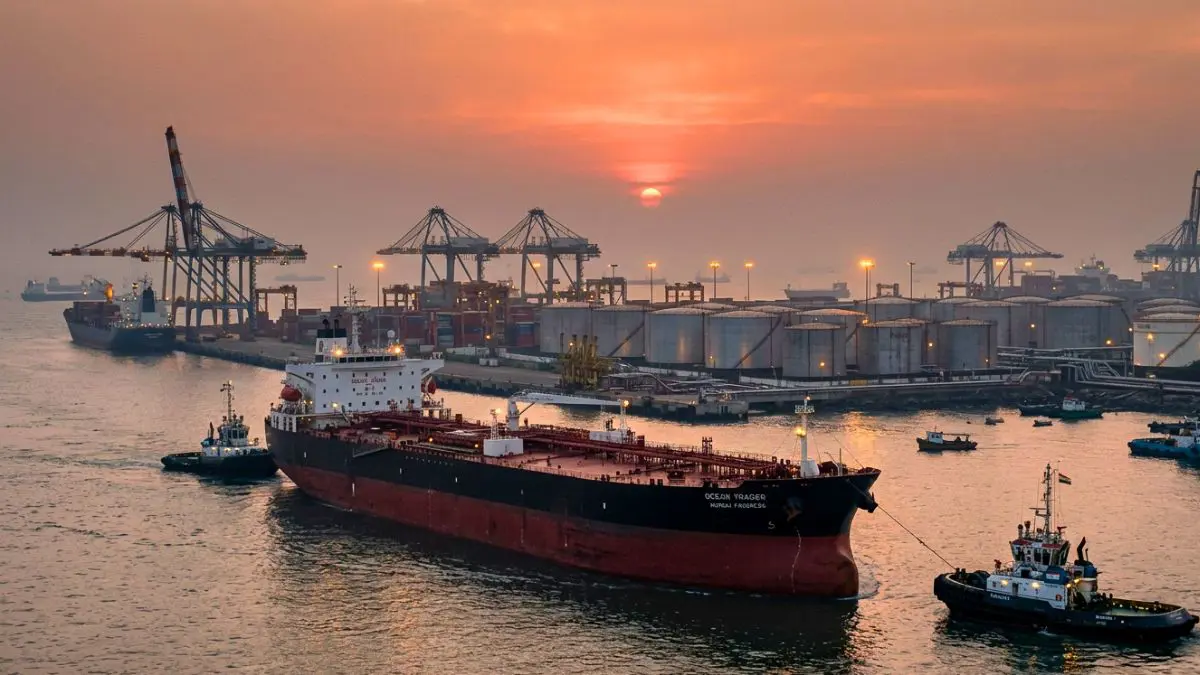
Officials from the Ministry of Ports, Shipping and Waterways indicated that port and shipping authorities have been advised to facilitate the smooth handling of incoming crude cargoes, particularly those already contracted or in transit before recent disruptions.
The move is aimed at ensuring continuity of refinery operations at a time when global supply chains are facing uncertainty due to evolving conditions in key energy corridors.
Sanctions Compliance Remains Key
India has not formally resumed imports of Iranian crude oil, which have remained restricted since 2019 due to U.S. sanctions. Any decisions involving such cargoes are being carefully assessed to ensure compliance with international regulatory frameworks.
Refiners are understood to be conducting detailed due diligence on cargo origin, shipping documentation, and payment mechanisms before proceeding with any transactions.
Refiners Diversify Supply Sources
In parallel, Indian refiners—including both private and state-run companies—are actively diversifying crude sourcing, increasing purchases from regions such as the United States, Africa, and Latin America.
This diversification strategy has been a key pillar of India’s energy policy to reduce overdependence on any single region, particularly during periods of geopolitical volatility.
Why This Matters
- Energy Security: Ensures uninterrupted crude supply during disruptions in critical shipping routes.
- Policy Balance: Highlights India’s effort to balance pragmatic energy needs with global sanctions compliance.
- Supply Diversification: Reinforces the long-term shift toward a broader crude sourcing strategy.
FAQs
Q1. Has India resumed importing Iranian oil?
No. India continues to comply with existing international sanctions and has not officially resumed imports.
Q2. What kind of flexibility has been allowed?
Primarily administrative and logistical support for handling cargoes already contracted or affected by supply disruptions.
Q3. How are refiners managing supply risks?
By diversifying crude imports and closely monitoring global shipping and pricing conditions.

























