Obama proposes $10 a-barrel-oil tax to fund US railway, highway projects
05 Feb 2016
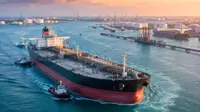
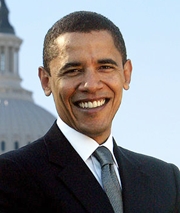 President Obama has proposed a $10-a-barrel oil tax spread over five-years to pay for a variety of transportation initiatives, including new rail corridors, highway projects, pilot projects for self-driving cars and other ''clean transportation'' technologies.
The plan was, however, quickly condemned by Republican congressional leaders.
The White House announced yesterday that the budget presented to Congress next week would include an ''oil fee'' that would increase ''the funding necessary to make these new investments while also providing for the long-term solvency of the Highway Trust Fund to ensure we maintain the infrastructure we have.''
Fuel taxes of the kind had generally been hailed by economists and energy experts as economically sensible - but politically toxic. The fee would cut the consumption of oil, reinforcing Obama's efforts to limit greenhouse gas emissions.
''Once again, the president expects hardworking consumers to pay for his out of touch climate agenda,'' house speaker Paul Ryan said in a statement. He said it was ''little more than an election-year distraction'' adding it would be ''dead on arrival in Congress.''
With the proceeds aimed to support transportation and climate initiatives, the proposal announced yesterday adds to Obama's environmental credentials as he pushes with his climate change agenda during his final year in office.
"By placing a fee on oil, the president's plan creates a clear incentive for private-sector innovation to reduce our reliance on oil and at the same time invests in clean energy technologies that will power our future," the White House said in a statement.
It was not clear who exactly would pay the tax if it were to pass, and how it would be structured. White House officials had often stressed that the fee would fall on oil companies, however, it would not be charged at the wellhead and they looked forward to working with Congress on the details.
Under the proposal an investment of $20 billion would be made to reduce traffic and improve commuting, $10 billion would be earmarked for local transportation and climate programmes and $2 billion for research on clean vehicles and aircraft.