How Trump Threatened Tariffs on Nations Imposing Digital Taxes During His Presidency
By Cygnus | 26 Aug 2025
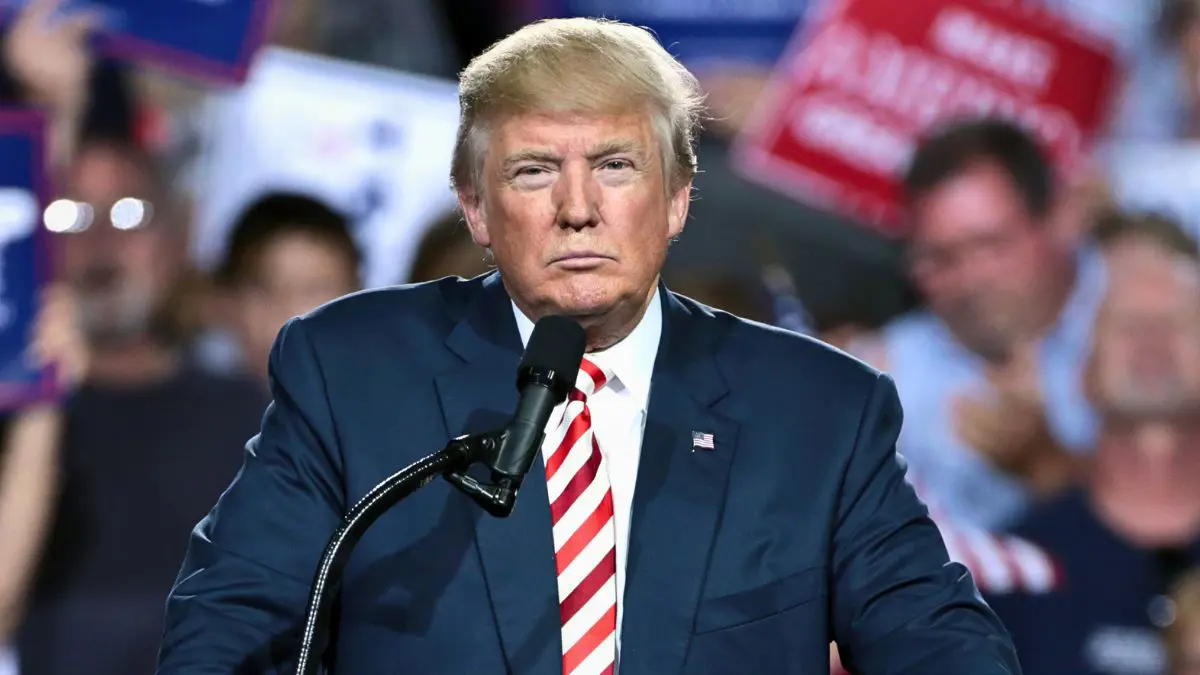
During his presidency, Donald Trump issued a stern warning to countries that had implemented or were considering digital taxes, threatening to respond with steep tariffs on their exports to the United States. The move highlighted ongoing tensions between Washington and several of its key trade partners, particularly in Europe, over the taxation of major American technology firms.
Digital services taxes, which target revenues from companies such as Google, Apple, Meta, and Amazon, have long been a source of friction between the U.S. and European governments. While supporters argue these taxes ensure fair contributions from tech giants operating across borders, Washington has consistently viewed them as discriminatory measures designed to single out American businesses.
In a social media post made during his term, Trump declared that unless such legislation was withdrawn, his administration would impose “substantial additional Tariffs” and restrict the export of sensitive U.S. technologies and chips. He accused foreign governments of intentionally targeting U.S. technology firms while sparing Chinese competitors, framing the issue as both an economic and geopolitical challenge.
This was not an isolated threat. During his term, Trump had previously threatened countries including France and Canada with retaliatory measures over the same issue. In February of the year he made the threat, he ordered his trade chief to revive investigations aimed at imposing tariffs on imports from countries that levied digital service taxes on U.S. technology companies.
Broader Trade Implications
Had they been fully implemented, Trump’s tariff threats would have reignited trade disputes at a time of fragile global supply chains and intensifying technology competition. For U.S. tech companies, already under scrutiny for market dominance, the outcome of this long-standing dispute continues to shape their international tax liabilities and operating costs in critical markets.
Summary:
During his presidency, Trump's aggressive stance against digital services taxes signaled significant potential turbulence in U.S. trade relations. By linking retaliatory tariffs and technology restrictions to tax policy, he set the stage for a round of global trade tensions that could have broadly affected both international markets and American tech giants.
FAQs on Trump’s Threats Over Digital Taxes
1. What are digital services taxes (DSTs)?
Digital services taxes are levies imposed on the revenues of large technology companies that operate across borders but often pay little local tax. They usually target online advertising, digital marketplaces, and data-related services provided by companies such as Google, Apple, Meta, and Amazon.
2. Why did Trump oppose digital taxes?
Trump argued that DSTs unfairly targeted U.S. technology companies while exempting local or Chinese competitors. His administration viewed them as discriminatory measures designed to weaken the global competitiveness of American firms.
3. Which countries introduced or considered digital taxes?
Several European nations—including France, Italy, Spain, and Austria—implemented or proposed DSTs. Canada and the United Kingdom also introduced similar measures. These policies were often justified as a way to ensure tech giants pay their “fair share” of taxes in the markets where they operate.
4. What actions did Trump threaten in response?
Trump warned that unless countries withdrew their digital tax policies, the U.S. would impose additional tariffs on their exports and restrict access to advanced American technologies, including semiconductors.
5. How would tariffs on countries with digital taxes affect global trade?
If enacted, tariffs could have escalated trade disputes, disrupted supply chains, and increased costs for businesses on both sides. They also risked sparking retaliatory measures, deepening trade tensions between the U.S. and its allies.
6. Did Trump take similar actions in the past?
Yes. Trump previously threatened tariffs on countries such as France and Canada over their digital tax plans. His administration even launched investigations into whether these taxes violated trade agreements.
7. How do digital taxes impact U.S. tech companies?
DSTs increase the cost of operating in foreign markets and reduce profit margins for U.S. tech giants. They also create a complex patchwork of international tax rules that companies must navigate, raising compliance costs.
8. What is the current status of digital services taxes globally?
While some countries have moved ahead with DSTs, there have also been efforts through the OECD to negotiate a global tax framework. The goal is to avoid unilateral measures that could trigger trade wars and replace them with a coordinated approach.
9. Could future U.S. administrations continue this stance?
Yes. Regardless of political leadership, Washington has consistently opposed digital taxes, arguing they unfairly target American companies. Any U.S. administration is likely to push back against such measures, though strategies may differ.
10. Why does this issue matter for businesses and investors?
Digital taxes influence trade policy, corporate profits, and cross-border relations. For investors, heightened tensions could translate into market volatility, higher tariffs, or shifts in global tech regulations—all of which carry financial implications.