Trump threatens 200% tariffs on French wine and champagne amid Macron dispute
By Cygnus | 20 Jan 2026
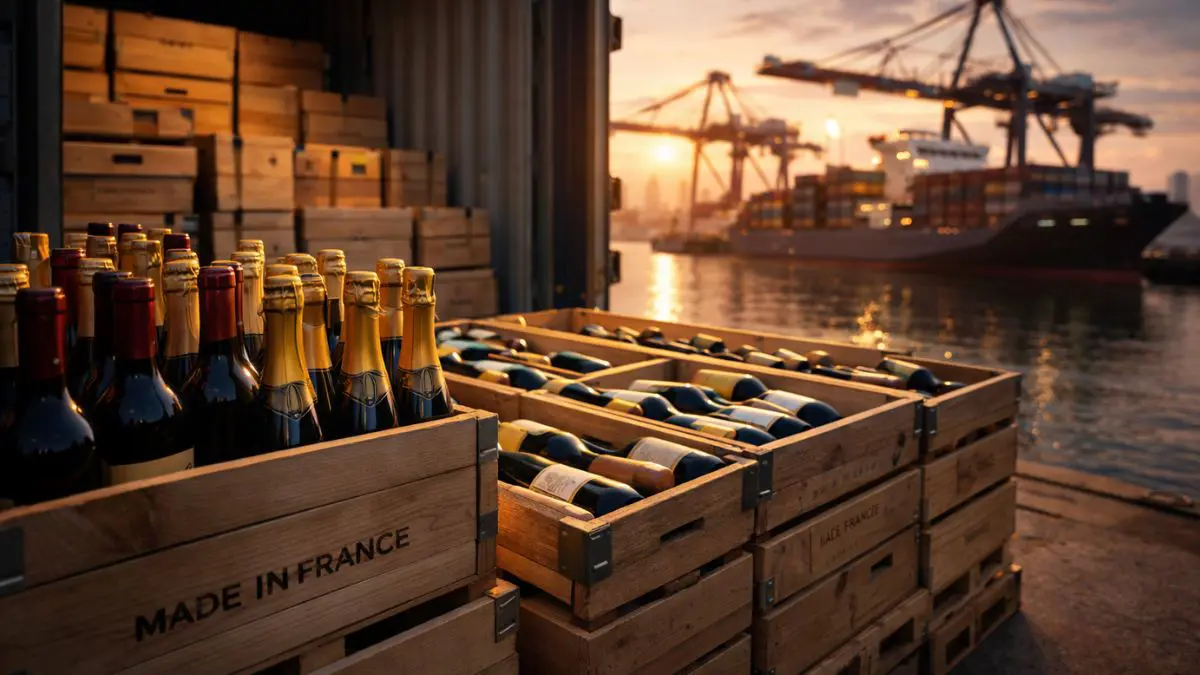
U.S. President Donald Trump has threatened to impose 200% tariffs on French wine and champagne, injecting fresh uncertainty into transatlantic trade as European exporters seek more stable access to the American market.
The warning is linked to Trump’s effort to persuade French President Emmanuel Macron to participate in a proposed diplomatic initiative described as a “Board of Peace,” which would aim to address global conflicts, beginning with Gaza.
A source familiar with Macron’s position said France does not intend to join the initiative, raising the stakes in what has become a high-profile mix of foreign policy and trade pressure.
Trump, responding to questions about Macron’s stance, criticised the French leader and linked France’s position to potential tariffs on some of its most iconic exports: wine and champagne. While it remains unclear whether such tariffs will be formally implemented, the comments have already heightened concern across European alcohol and luxury supply chains.
Macron was scheduled to attend the World Economic Forum in Davos on Tuesday, with officials saying there were no plans to extend his visit into the following day, when Trump is expected to arrive in the Swiss resort.
A trade threat with real business consequences
French wine and spirits exports are highly exposed to the U.S. market. The United States is the largest destination for French wines and spirits, with shipments valued at €3.8 billion in 2024, making American demand a key pillar of sector earnings.
Wines and spirits exported to the U.S. currently face a 15% tariff, according to industry and government-linked estimates cited in market reporting. A sharp increase — if implemented — would likely force rapid repricing across U.S. retail and distribution channels, with knock-on effects for importers, distributors, producers and premium hospitality supply chains.
Industry analysts warn that beyond the tariff number itself, repeated trade threats can create uncertainty that disrupts purchasing cycles. Importers may hedge inventory, delay orders and renegotiate contracts, while producers face pressure on margins and marketing budgets.
Shares in luxury conglomerate LVMH, which owns major champagne brands including Moët & Chandon, were lower in early trading as investors assessed the potential exposure of high-margin beverage exports.
French wine and spirits groups urged a coordinated response and warned against escalation, while French officials said trade threats linked to diplomatic pressure were unacceptable.
EU retaliation risk rises
Trump’s comments come amid broader strains between Washington and European capitals, with tensions also linked to Greenland and wider geopolitical issues.
EU policymakers have been weighing a substantial response package, including potential tariff countermeasures reportedly worth up to €93 billion, and possible use of the bloc’s Anti-Coercion Instrument, a mechanism designed to deter and respond to economic pressure tactics.
French Agriculture Minister Annie Genevard strongly criticised the approach, calling it “brutal” and urging European leaders to act with unity.
Bigger picture: politics reshapes trade planning
The episode highlights a growing reality for exporters and global consumer brands: tariff policy is increasingly being used as geopolitical leverage, not just economic regulation.
For businesses, that means trade risk planning now extends beyond demand forecasts and currency moves. Exporters, luxury groups and retail distribution networks may need to prepare for faster shifts in duties, politicised negotiations and sudden disruptions to cross-border pricing.
Brief Summary
U.S. President Donald Trump has threatened to impose 200% tariffs on French wine and champagne, escalating trade uncertainty for European exporters and U.S. importers. The comments appear linked to Trump’s effort to pressure French President Emmanuel Macron to join a proposed diplomatic initiative described as a “Board of Peace.” The threat raises the risk of EU retaliation, adding volatility to premium consumer exports and the wider transatlantic trade environment.
Why this matters for markets and businesses
- Premium exports at risk: French wine and champagne depend heavily on U.S. demand, and higher tariffs could force rapid repricing across retail and hospitality channels.
- Luxury supply chain impact: Large consumer groups with premium beverage exposure face added uncertainty in pricing, margins, and distribution planning.
- EU retaliation risk: Countermeasures could widen the dispute beyond alcohol and into broader transatlantic trade flows.
- Policy volatility: Repeated tariff threats disrupt business planning, inventory cycles, and contract negotiations across importers and distributors.
- Diplomacy–trade linkage: The episode underscores how tariffs are increasingly used as leverage in geopolitical disputes, raising board-level political risk.
FAQs
Q1) What did Trump threaten?
Trump said the U.S. could impose 200% tariffs on imports of French wine and champagne.
Q2) Why is Trump making the threat now?
The comments are linked to diplomatic pressure surrounding a proposed initiative referred to as a “Board of Peace,” with France reportedly expected not to participate.
Q3) How important is the U.S. market for French wines and spirits?
The U.S. is the largest export destination for French wines and spirits, with shipments valued at €3.8 billion in 2024.
Q4) What happens if tariffs rise sharply?
If implemented, such tariffs would likely force rapid changes in U.S. shelf prices, potentially reducing demand, disrupting distribution contracts, and pressuring producer margins.
Q5) Which businesses could be impacted?
French producers, U.S. importers and distributors, premium retailers, hospitality chains, and large luxury groups with champagne exposure could all face disruption.
Q6) Could Europe respond with retaliation?
Yes. EU officials have discussed possible countermeasures, including large-scale retaliatory tariffs and the potential use of the bloc’s Anti-Coercion Instrument.
Q7) Is this tariff policy already in force?
Not yet. It remains a threat and may depend on upcoming trade and diplomatic developments.

























