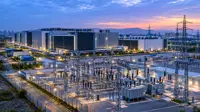
India’s integrated power grid turns it into global data center magnet: Goyal
By Cygnus | 15 Dec 2025
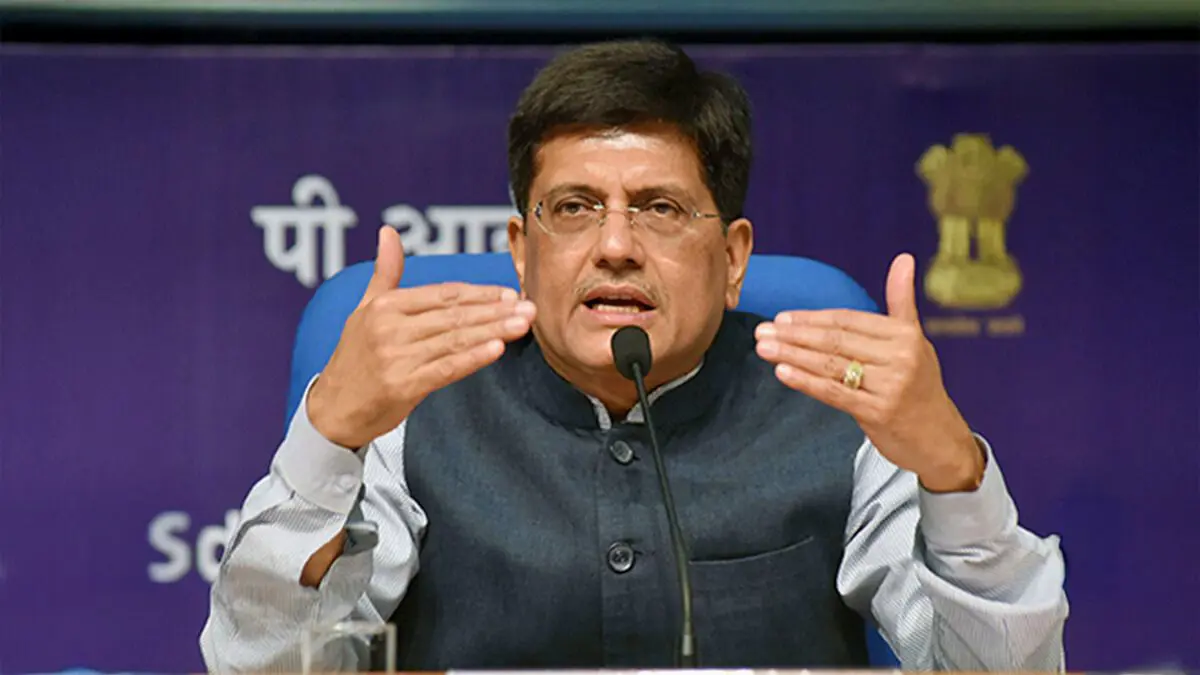
India’s unified national power grid and aggressive expansion of renewable capacity have positioned the country as a premier destination for hyperscale data centers and Global Capability Centers (GCCs), Commerce and Industry Minister Piyush Goyal said on Monday.
Speaking to reporters in New Delhi, Goyal emphasized that the country’s 500-gigawatt (GW) integrated grid—one of the largest single-frequency networks in the world—provides the critical redundancy and load-management capabilities required by power-hungry digital infrastructure.
“The integrated structure allows us to efficiently manage the redundancy and sudden spikes in electricity demand inherent to data centers,” Goyal said. “This grid stability is why India is becoming a preferred global hub for these facilities.”
Transformation since 2014 The minister contrasted the current landscape with the situation in 2014, citing a decade of reforms that resolved chronic coal shortages and grid fragmentation. Over the past 11 years, India has increased its solar power generation capacity nearly 46-fold, while wind energy capacity has grown 2.5 times.
“We have undertaken meticulous planning to ensure sufficient electricity supply for the next decade, balancing the needs of households, heavy industry, and the expanding digital ecosystem,” he added.
The government’s focus on rationalizing coal linkages and reducing imports has also helped stabilize tariffs, a crucial factor for data center operators for whom power accounts for a significant portion of operating costs.
Nuclear to provide baseload Addressing the energy mix required for 24/7 data operations, Goyal highlighted the strategic importance of the SHANTI Bill, currently tabled in Parliament. The legislation aims to open the nuclear sector to private players and deploy Small Modular Reactors (SMRs).
“Nuclear energy will play a key role in ensuring uninterrupted clean power,” Goyal noted. “The SHANTI Bill will facilitate the setup of SMRs across India, providing the baseload power that complements intermittent solar and wind energy.”
He outlined the government’s five-pillar strategy for the sector: universal access, affordability, availability, financial viability, and sustainability.
Summary
Commerce Minister Piyush Goyal stated that India’s 500 GW integrated national power grid and surging renewable capacity have made the country a top destination for global data centers. Citing a 46-fold rise in solar power since 2014, Goyal emphasized that the upcoming deployment of Small Modular Reactors (SMRs) under the new SHANTI Bill will further secure the 24/7 clean energy required by the digital economy.
FAQs
Q1: Why are data centers flocking to India?
Data centers require massive, uninterrupted power. India’s unified 500 GW national grid allows for efficient load balancing and redundancy, reducing the risk of outages. Combined with relatively affordable renewable power, this makes India an attractive location for hyperscale operations.
Q2: How much has India’s green energy grown?
Since 2014, solar power generation capacity has increased nearly 46 times, and wind energy capacity has grown 2.5 times. This rapid expansion helps data center operators meet their global carbon-neutrality goals.
Q3: What is the role of the SHANTI Bill here?
Data centers need power 24/7, but solar/wind are intermittent. The SHANTI Bill opens the nuclear sector to private investment, specifically promoting Small Modular Reactors (SMRs) that can provide constant, clean baseload power to industrial parks and data hubs.
Q4: What are the ‘Five Pillars’ mentioned by the Minister?
The government’s power sector strategy rests on: 1) Universal Access, 2) Affordability, 3) Availability, 4) Financial Viability, and 5) Sustainability with global responsibility.
Q5: How does this affect coal imports?
By boosting domestic coal production (record 1,048 million tonnes) and renewable capacity, India has reduced its reliance on imported coal for power generation (down ~8%). This conserves foreign exchange reserves and insulates the domestic power grid from global commodity price shocks.