Anthropic sues to block Pentagon blacklist, warns of multibillion-dollar revenue collapse
By Axel Miller | 10 Mar 2026
Summary
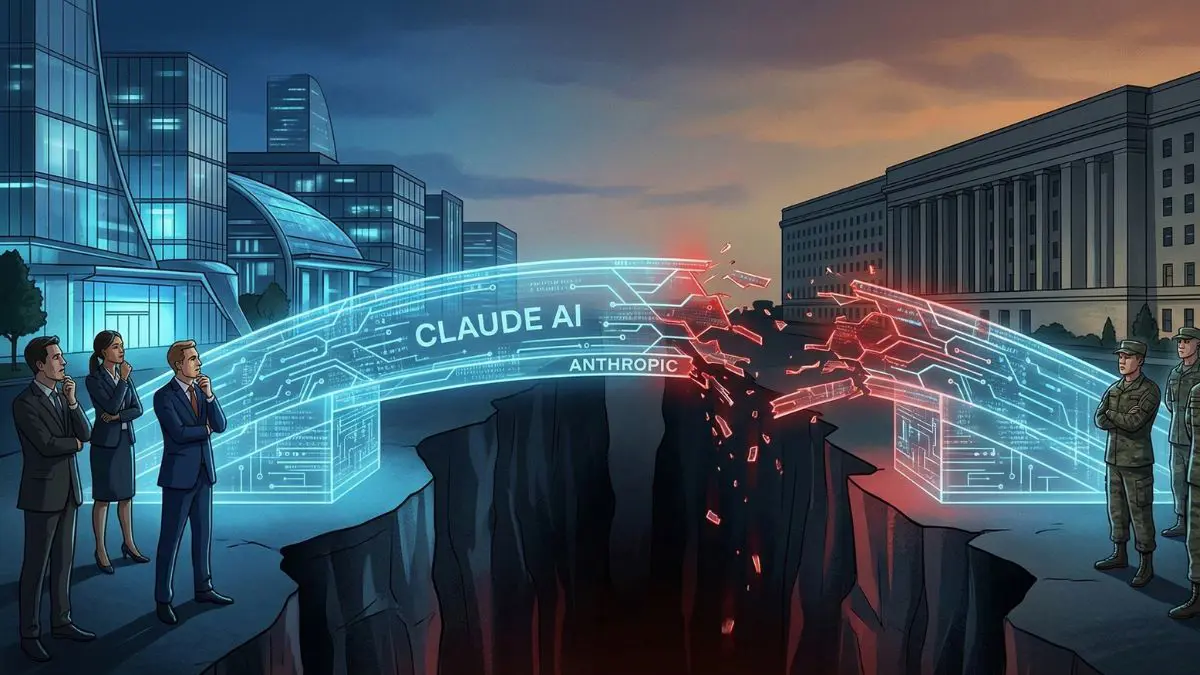
AI firm Anthropic has filed a federal lawsuit seeking to block a potential U.S. Defense Department blacklisting, warning the move could cost billions in projected revenue and damage its commercial business.
WASHINGTON, March 10, 2026 — Anthropic, developer of the Claude AI model, has filed a lawsuit to block a potential national security blacklisting by the U.S. Department of Defense, according to court filings reviewed by Reuters.
Executives at the company argue the designation is based on disputed usage restrictions and could significantly disrupt its business model if implemented.
The filings provide a rare look at the financial and operational risks facing AI firms amid rising regulatory scrutiny from national security authorities.
A multibillion-dollar threat to revenue
Chief Financial Officer Krishna Rao said in court filings that a blacklist designation could reduce Anthropic’s 2026 revenue by “multiple billions of dollars.”
Rao said the impact could prove difficult to reverse, citing potential investor concerns and higher capital costs tied to maintaining large-scale AI infrastructure.
Beyond direct government contracts, he warned the company could lose between 50% and 100% of its revenue from defense contractors and other private firms reliant on Defense Department approvals.
Public sector growth at risk
The dispute comes as Anthropic’s public sector business has been expanding rapidly. Thiyagu Ramasamy, head of public sector, said the company saw a fourfold increase in annual recurring revenue from government customers between December 2025 and January 2026.
Ramasamy said the designation could immediately erase more than $150 million in expected ARR tied to Defense Department contracts and derail projections that public sector revenue would approach $500 million in 2026.
Commercial fallout emerging
Chief Commercial Officer Paul Smith said customer uncertainty is already affecting negotiations.
Court filings cited several disruptions:
- A partner working on a U.S. Food and Drug Administration deployment switched from Claude to a rival system, eliminating roughly $100 million in expected business.
- Talks with financial institutions worth about $180 million have stalled.
- One fintech customer cut its contract by half, citing concerns tied to the Pentagon dispute.
Smith said more than 100 enterprise clients have contacted the company expressing concern about reputational and regulatory risks.
Why this matters
- National security vs innovation: The case highlights tensions between government oversight and the rapid commercialization of advanced AI.
- Competitive ripple effects: Restrictions on Anthropic could shift market share toward rivals such as OpenAI and Google.
- Regulatory precedent: The outcome could shape how national security authorities interact with private AI developers going forward.
FAQs
Q1. Why is the Pentagon considering blacklisting Anthropic?
Details remain limited, but filings reference disagreements over usage restrictions and broader national security concerns.
Q2. What is a national security blacklist?
Such designations typically prevent government agencies and contractors from working with a company and can deter private-sector partnerships.
Q3. Can Anthropic survive without government work?
Executives say reputational and commercial impacts could extend well beyond direct government revenue.

























