Oil sinks 7% as Trump predicts Middle East de-escalation
By Cygnus | 10 Mar 2026
Summary
Global oil prices fell sharply on Tuesday, erasing much of the recent geopolitical premium after U.S. President Donald Trump suggested tensions in the Middle East could ease sooner than expected.
LONDON, March 10, 2026 — Oil prices reversed sharply on Tuesday, falling about 7% as comments from Washington and signs of diplomatic engagement cooled fears of a prolonged disruption to global energy supplies.
The decline followed a volatile Monday session during which Brent crude briefly surged near $119 per barrel amid concerns over escalating conflict involving the United States, Israel and Iran.
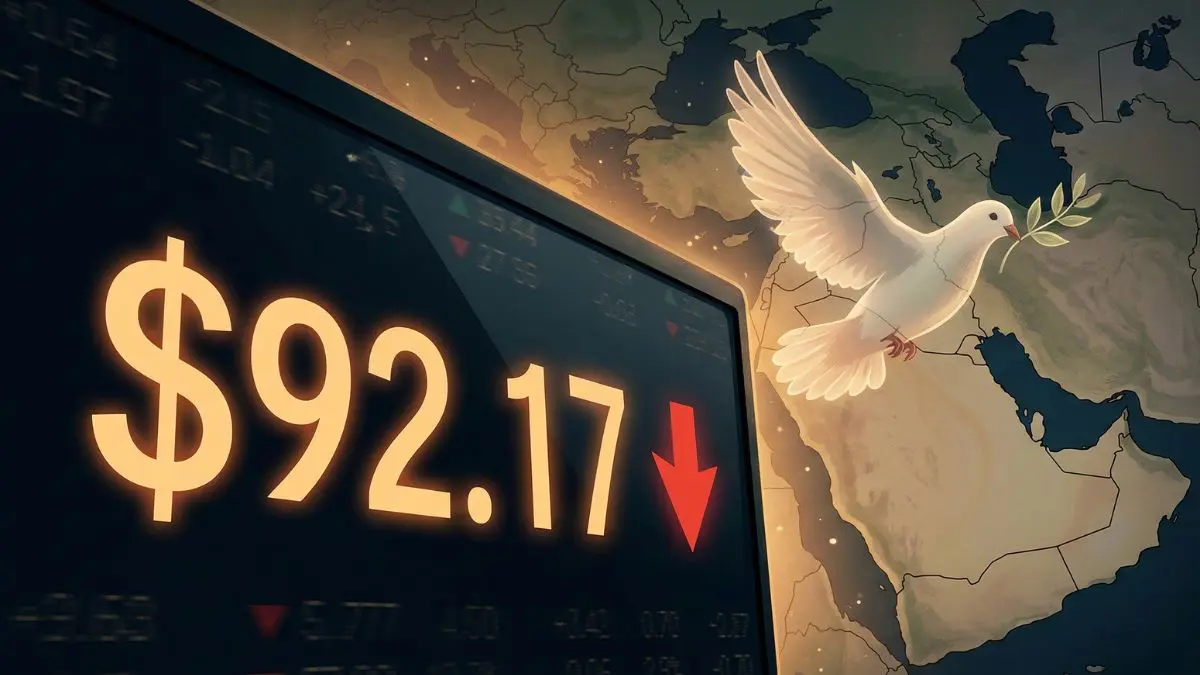
Brent crude futures fell $6.79 to $92.17 a barrel, while U.S. West Texas Intermediate (WTI) dropped to $88.22. Earlier in the session, both benchmarks were down as much as 11% before trimming losses.
Diplomatic signals calm markets
The sell-off followed comments from President Donald Trump, who said in a CBS News interview that the campaign against Iran was progressing faster than expected and suggested the conflict could conclude sooner than initially forecast.
Separately, a Kremlin aide said Russian President Vladimir Putin held talks with Trump and shared proposals for a potential settlement.
“Clearly, Trump’s comments about a short-lived conflict have calmed markets,” said Suvro Sarkar, energy sector lead at DBS Bank, while cautioning that conditions in the region remain uncertain.
Supply expectations weigh on prices
Traders also pointed to expectations of additional supply. Market participants are weighing the possibility of:
- Potential easing of sanctions on Russian oil exports
- A coordinated release of strategic reserves by G7 countries
“Once traders sensed supply routes could remain intact, the initial panic premium began to fade,” said Priyanka Sachdeva, analyst at Phillip Nova.
Tensions persist despite optimism
Despite the market reaction, Iran struck a more defiant tone. The Islamic Revolutionary Guard Corps (IRGC) warned it would respond forcefully if attacks continued and reiterated threats to disrupt regional oil flows.
Analysts say ongoing geopolitical risks continue to underpin volatility in energy markets.
Why this matters
- Inflation outlook: Lower oil prices may ease inflation pressures for major importing economies.
- Market sensitivity: The sharp swing highlights how quickly energy markets respond to political developments.
- Policy implications: Strategic reserve releases and sanctions adjustments remain key tools for stabilizing prices.
- Geopolitical uncertainty: Despite the drop, underlying supply risks remain unresolved.
FAQs
Q1. Why did oil rise to $119 earlier?
Prices surged on fears that escalating conflict could disrupt Middle Eastern supply routes.
Q2. Will gasoline prices fall immediately?
Typically there is a delay of one to two weeks before changes in crude prices affect retail fuel prices.
Q3. What are analysts forecasting longer term?
Some banks, including Goldman Sachs, continue to project lower prices later in 2026 despite current volatility.

























