Apple trains China AI model with Alibaba support for local rollout
By Axel Miller | 14 Aug 2026
Summary
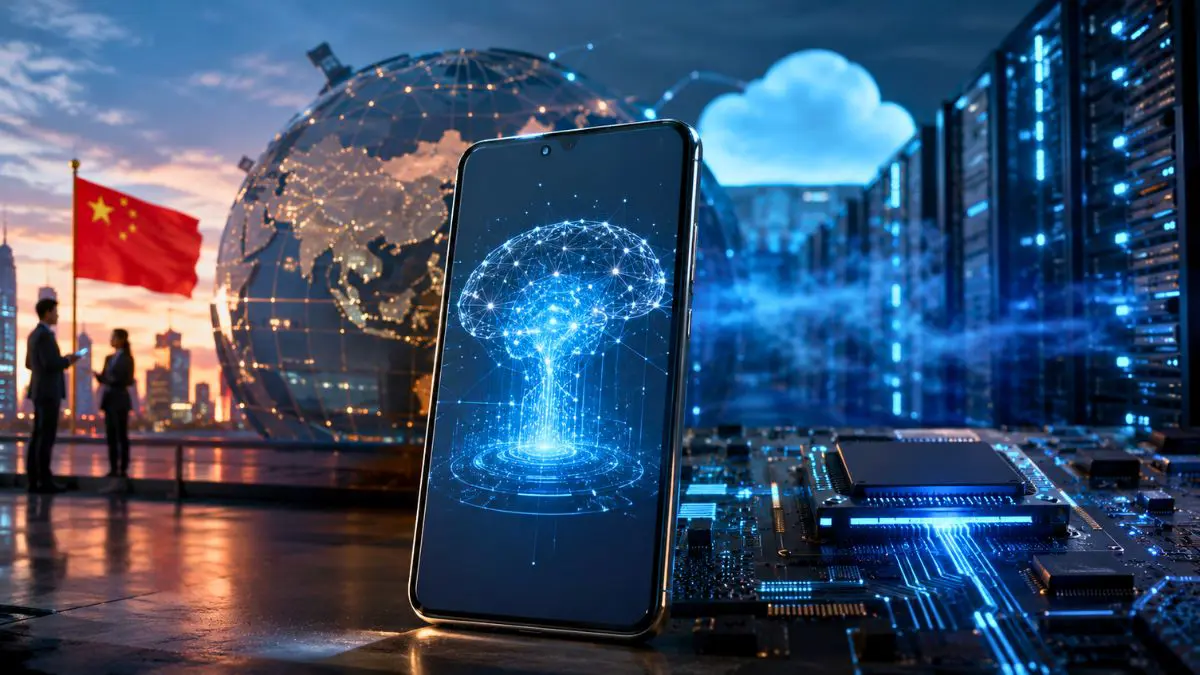
Apple has trained a large language model specifically for the Chinese market with support from Alibaba, marking a shift from its earlier reliance on third-party AI models for Apple Intelligence in mainland China. The China-specific model is part of Apple’s effort to adapt its AI services to local regulatory requirements and strengthen its position against domestic smartphone rivals such as Huawei. The development follows China’s registration of Apple Intelligence with the country’s cyberspace regulator, paving the way for a rollout across compatible Apple devices.
BEIJING, August 14, 2026 — Apple Inc. has trained a large language model specifically for the Chinese market with support from Alibaba Group Holding Ltd., according to three people familiar with the matter, marking a significant change in the company’s approach to artificial intelligence in mainland China.
The development gives Apple greater control over the AI technology it plans to offer Chinese consumers, after the company had previously relied on models from domestic technology providers to help power Apple Intelligence features in the country. The China-specific model is being developed with Alibaba’s support as Apple works to adapt its generative AI services to China’s regulatory requirements.
The people familiar with the matter spoke on condition of anonymity because details of the model and Apple’s development work remain private. Apple and Alibaba did not immediately comment on the latest report.
The move comes as Apple prepares to introduce Apple Intelligence in mainland China following regulatory clearance from China’s Cyberspace Administration. The regulator registered Apple’s on-device generative AI service in July, clearing an important hurdle for the company’s long-awaited China rollout.
Building a China-specific Apple Intelligence system
Apple’s AI strategy in China differs from its approach in other major markets because the company must operate within China’s domestic regulatory framework governing generative AI services.
The newly trained China-specific model is intended to give Apple greater control over the AI experience while allowing the company to tailor its technology to local requirements. Reuters reported that Apple previously relied on third-party Chinese models for its China strategy, making the development of its own localized model a significant change in direction.
At the same time, Apple is continuing to work with Chinese technology companies. Alibaba has confirmed that its Qwen model will be integrated into Apple Intelligence experiences across iOS, iPadOS, macOS and visionOS for users in China. Baidu is also working with Apple on AI features for Chinese users.
This means Apple’s China strategy is not simply a replacement of third-party models with one proprietary system. Instead, Apple is combining its own model development with capabilities from local AI partners as it prepares Apple Intelligence for the Chinese market.
Regulatory clearance opens the door to rollout
China requires companies offering large language models and generative AI services to register with regulators before making those services available to the public.
Apple Intelligence was registered by China’s cyberspace regulator in July, placing the service on a list of approved AI offerings and clearing a major regulatory barrier to its launch. The regulator did not provide a specific consumer release date.
The approval is particularly important because Apple Intelligence had not previously been available to iPhone users in mainland China on the same basis as in other major markets.
Alibaba’s confirmation that Qwen will be integrated across Apple’s major operating systems further demonstrates the importance of local partnerships in Apple’s China AI strategy. The arrangement will allow Apple to offer AI capabilities while working within China’s regulatory and technology ecosystem.
Apple faces intensifying competition in China
The push to develop a China-specific AI model comes as Apple faces strong competition from domestic smartphone manufacturers.
Huawei, Xiaomi, Vivo and Oppo have been expanding AI capabilities across their smartphone ecosystems, giving Chinese consumers access to locally developed assistants and generative AI tools. Apple’s delayed rollout of Apple Intelligence has therefore represented a potential competitive disadvantage in one of its most important international markets.
The timing is especially significant because Apple has recently shown signs of stronger momentum in China. Apple reported that its shipments in the country increased 24.4% year over year in the second quarter, according to Reuters. A localized Apple Intelligence offering could help the company maintain that momentum as domestic manufacturers continue to expand their AI capabilities.
Apple’s relationship with Alibaba also represents a broader convergence between American consumer hardware and China’s rapidly developing AI ecosystem. Alibaba’s Qwen has become one of the country’s leading AI model families, while Apple brings its global hardware, software and privacy-focused ecosystem to the partnership.
Apple and Alibaba deepen their AI partnership
The latest development builds on an AI relationship between Apple and Alibaba that became public earlier.
Alibaba had previously been identified as a key Chinese technology partner for Apple’s AI strategy, with Qwen selected to provide capabilities for Apple Intelligence in China. Apple also recently enabled Mac users in mainland China to connect Qwen with features including Siri and Writing Tools, further demonstrating the practical role of Alibaba’s AI technology in Apple’s China ecosystem.
The decision to train an Apple-specific model adds another layer to that relationship. Rather than depending exclusively on a partner’s foundation model, Apple appears to be developing greater control over the underlying technology while continuing to use local models where appropriate.
That approach could allow Apple to maintain a more consistent user experience across its hardware platforms while adapting AI services to China’s regulatory environment.
Why this matters
- Greater control over Apple’s AI experience: Training a China-specific model gives Apple more direct control over how Apple Intelligence operates in the Chinese market rather than relying entirely on external AI providers.
- A critical regulatory breakthrough: Registration of Apple Intelligence with China’s cyberspace regulator removes a major barrier to offering Apple’s generative AI services publicly in the country.
- Alibaba remains a key technology partner: Apple’s own model development does not eliminate its partnership with Alibaba. Qwen is expected to provide AI capabilities across iOS, iPadOS, macOS and visionOS in China.
- Pressure from domestic smartphone rivals: A localized Apple Intelligence strategy could help Apple close the AI gap with Huawei and other Chinese smartphone manufacturers that have already integrated locally developed AI features into their devices.
- Potential boost to Apple’s China business: Apple’s China shipments rose 24.4% year over year in the second quarter, and a successful Apple Intelligence rollout could help sustain consumer interest in its hardware ecosystem.
FAQs
Q1: Why is Apple training its own AI model for China?
Apple is developing a China-specific large language model to gain greater control over its AI offering while adapting Apple Intelligence to China’s regulatory requirements. The move represents a shift from Apple’s earlier reliance on third-party models in the market.
Q2: What role does Alibaba play in Apple’s China AI strategy?
Alibaba is providing support for Apple’s China-specific AI development, while its Qwen model is also being integrated into Apple Intelligence across iOS, iPadOS, macOS and visionOS for users in China.
Q3: Is Apple replacing Alibaba’s Qwen model with its own AI model?
Not entirely. Apple is developing its own China-specific model while continuing to incorporate capabilities from Alibaba’s Qwen and Baidu’s AI models.
Q4: Has Apple Intelligence been approved for use in China?
Yes. China’s Cyberspace Administration registered Apple’s on-device generative AI service in July, clearing a major regulatory step toward its rollout.
Q5: When will Apple Intelligence launch in China?
A specific consumer launch date has not been announced. China’s regulator did not provide a release date when it registered Apple’s service.
Q6: Which Apple devices are expected to receive the China AI experience?
Alibaba has said Qwen will be integrated into Apple Intelligence experiences across iOS, iPadOS, macOS and visionOS for users in China.
Q7: Why is the China rollout strategically important for Apple?
China is a major market for Apple’s hardware business, but the company faces increasingly strong competition from domestic smartphone brands with deeply integrated AI features. A localized Apple Intelligence system could help Apple compete more effectively.