Thai AirAsia adjusts capacity and consolidates operations as fuel costs reshape network in 2026
By Cygnus | 28 Apr 2026
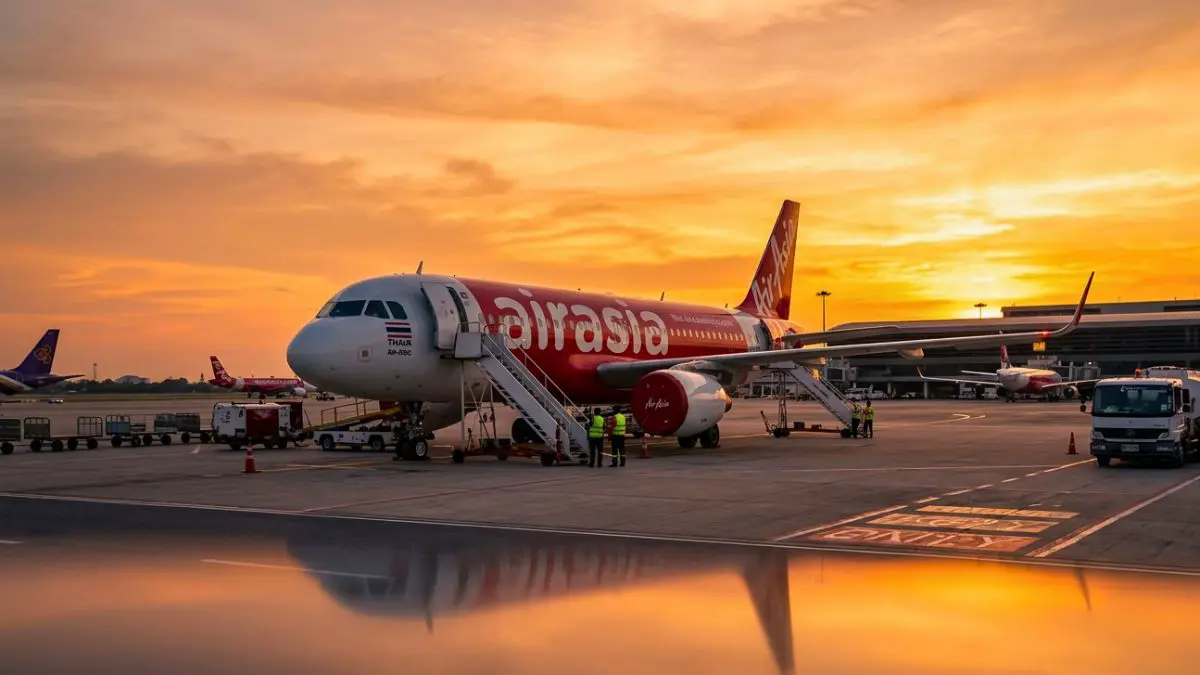
Summary
- Thai AirAsia is reducing flight capacity on select routes in the near term as part of network optimization amid higher operating costs.
- Some international and regional routes, including select India services, are being temporarily suspended or adjusted based on demand and cost conditions.
- The airline is streamlining operations by focusing on its primary hub at Don Mueang Airport while scaling back limited operations at Suvarnabhumi.
BANGKOK, April 28, 2026 — Thai AirAsia is adjusting its flight network and capacity over the coming months as it responds to changing cost dynamics and evolving travel demand across Asia.
The airline has announced a series of schedule revisions, including reductions in frequencies on certain routes and temporary suspensions on others, as part of broader efforts to maintain operational efficiency.
Airlines globally have been managing higher input costs, including aviation turbine fuel, alongside fluctuating passenger demand, prompting carriers to rebalance networks and optimize fleet deployment.
Hub operations and domestic network
Thai AirAsia is increasingly concentrating operations at its primary base, Don Mueang International Airport (DMK), which has traditionally served as its main low-cost hub in Bangkok.
Operations at Suvarnabhumi Airport (BKK), where the airline maintains a smaller presence, are being streamlined, with select routes continuing based on demand and connectivity requirements.
International routes and India network
On international routes, the airline is reviewing performance across markets, including India, where some routes are being temporarily suspended or adjusted.
Such changes are typically driven by a combination of seasonal demand patterns, competitive pricing dynamics, and cost considerations, particularly for medium-haul low-cost operations.
Industry-wide cost pressures
Airlines across Asia have been navigating periods of higher operating costs, particularly related to fuel, which remains one of the largest components of airline expenses.
Carriers often respond by adjusting capacity, reallocating aircraft, and focusing on higher-demand or higher-yield routes to protect margins.
Why this matters
- Low-cost carrier strategy: Network flexibility is critical for budget airlines operating on thin margins.
- Regional connectivity: Route adjustments can affect travel options and pricing across key markets, including India and Southeast Asia.
- Cost sensitivity: Fuel price volatility continues to influence airline scheduling and profitability across the sector.
FAQs
Q1. Is Thai AirAsia permanently exiting any markets?
No confirmed permanent exits have been announced. Most route changes are temporary or subject to review.
Q2. Why are airlines adjusting routes now?
Changes are driven by a mix of demand fluctuations, cost pressures, and operational optimization.
Q3. What should passengers do if flights are changed?
Airlines typically offer rebooking options, credits, or refunds depending on the situation.

























