NTPC seeks green ammonia buyers in Japan, South Korea and Germany
By Axel Miller | 13 Oct 2026
Summary
- International buyer outreach: NTPC Ltd is discussing potential sales of green ammonia and other low-carbon fuels with prospective buyers in Japan, South Korea and Germany. The discussions could help establish export markets, although binding long-term offtake
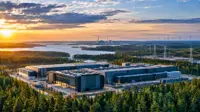
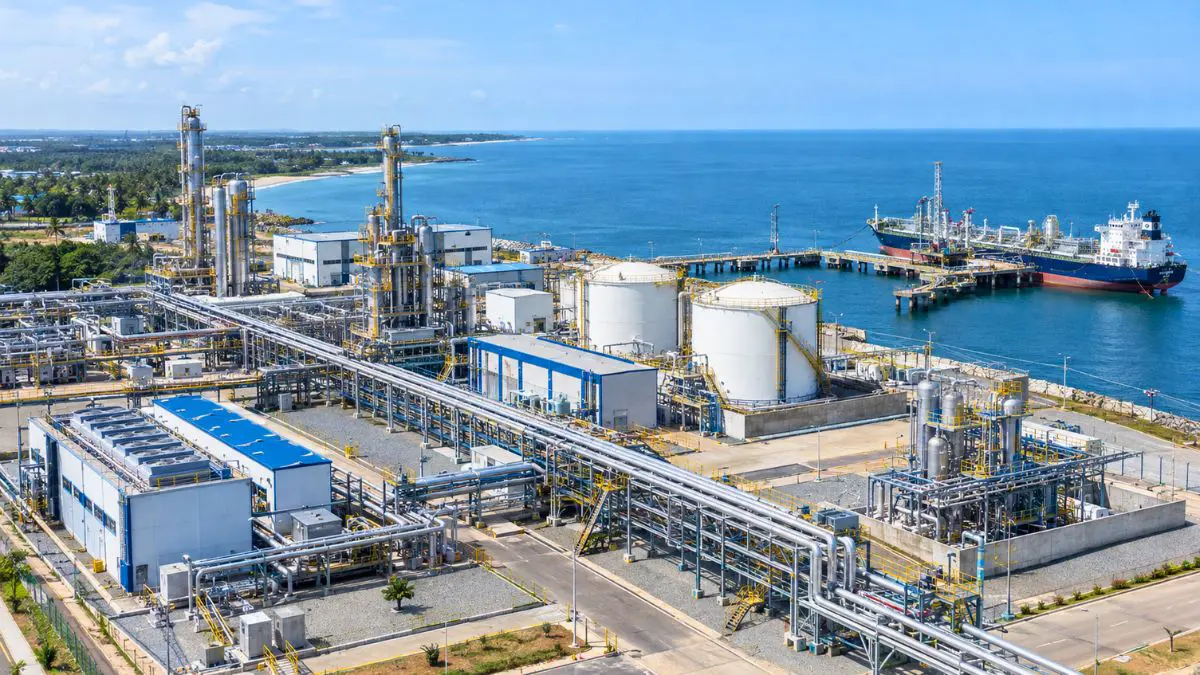
- Flagship coastal hub: NTPC Green Energy Ltd (NGEL) is developing its green hydrogen hub near Pudimadaka in Andhra Pradesh. The project covers more than 1,200 acres and is designed to support green hydrogen production, downstream chemical manufacturing and exports.
- Closing the commercial viability gap: NTPC Chairman and Managing Director Gurdeep Singh has emphasized the need to make hydrogen commercially viable. Securing reliable buyers will be important for turning capital-intensive production projects into financially sustainable businesses.
- National policy support: India’s National Green Hydrogen Mission targets 5 million metric tonnes of green hydrogen production annually by 2030. The mission has a total approved outlay of ₹19,744 crore, including ₹17,490 crore for the Strategic Interventions for Green Hydrogen Transition (SIGHT) programme.
NEW DELHI, October 13, 2026 — NTPC Ltd, India’s largest power producer, is pursuing international buyers for green ammonia and other low-carbon fuels as it seeks to expand beyond conventional electricity generation and establish a presence in the emerging global market for clean energy commodities.
According to reporting by Reuters on October 13, NTPC Chairman and Managing Director Gurdeep Singh said the company was in discussions with potential partners in Japan, South Korea and Germany. The initiative reflects India’s broader ambition to become a producer and exporter of green hydrogen and its derivatives.
The commercial effort comes as hydrogen developers face a central challenge: translating announced production capacity into dependable demand. Electrolysers, renewable electricity infrastructure, storage facilities and chemical processing plants require substantial upfront investment. Without credible buyers and predictable revenues, developers may struggle to secure financing for large-scale projects.
NTPC’s strategy therefore focuses not only on producing low-carbon fuels but also on establishing the commercial relationships needed to sell them in international markets.
NTPC and its subsidiary NGEL are developing a green hydrogen hub at Pudimadaka, Andhra Pradesh, to produce green hydrogen derivatives for domestic use and export markets such as Japan, South Korea and Germany. The project plans to integrate 7 GW of renewable energy and produce more than 2.5 million tonnes of green chemicals annually once fully operational. The initiative supports India’s National Green Hydrogen Mission, which targets 5 million metric tonnes of green hydrogen production annually by 2030, backed by a ₹19,744 crore mission outlay, including ₹17,490 crore for the SIGHT programme.
The derivative strategy: why ammonia and methanol?
NTPC’s export ambitions are closely linked to the development of its green hydrogen hub near Pudimadaka, in Andhra Pradesh’s Visakhapatnam region. The project is intended to support a wider industrial ecosystem encompassing hydrogen production, electrolyser and fuel-cell manufacturing, associated industries, and the production and export of hydrogen derivatives.
Rather than relying exclusively on the international transport of pure hydrogen, the hub is expected to support chemical products that can be handled through established industrial supply chains.
Green ammonia (NH₃)
Green ammonia is produced using hydrogen generated through renewable-powered electrolysis and nitrogen separated from air. The resulting compound can be transported in specialised ammonia carriers and used in fertiliser manufacturing, industrial applications and certain power-generation processes.
Japan is developing ammonia co-firing technology as part of its efforts to reduce emissions from thermal power generation. Its policy includes a target to introduce and promote 20% ammonia co-firing at coal-fired power plants by 2030. This is a policy objective rather than a blanket legal requirement for every utility.
South Korea is also a potential market for low-carbon energy carriers, while the actual scale of demand will depend on national policies, procurement arrangements, fuel costs and emissions standards.
Green methanol (CH₃OH)
Green methanol can be produced using green hydrogen and a suitable source of carbon dioxide. Depending on the production pathway and the origin of the carbon, it can provide a lower-emission alternative to conventional methanol.
The shipping industry is exploring methanol as a marine fuel, particularly as operators introduce vessels capable of using alternative fuels. However, its environmental performance depends on how the hydrogen and carbon feedstocks are produced, as well as the energy consumed during manufacturing.
For NTPC, ammonia and methanol offer potential routes to international markets beyond electricity sales. Their commercial viability will depend on production costs, renewable power availability, carbon accounting, infrastructure and the willingness of buyers to pay for lower-emission products.
Securing international offtake agreements
The challenge for green hydrogen developers extends beyond building production facilities. Projects must secure customers willing to purchase their output at prices that support operating costs, debt repayment and investment returns.
Long-term offtake agreements can help provide revenue visibility and reduce uncertainty for project lenders. However, such agreements may take different forms, from binding purchase contracts to preliminary memoranda of understanding, and their financial value depends on terms such as price, volume, duration and delivery obligations.
NTPC’s discussions with prospective buyers in Japan, South Korea and Germany could help it assess demand, establish commercial partnerships and identify the conditions needed to develop export-scale production. The discussions should not, however, be interpreted as confirmation that final investment decisions or binding multiyear supply contracts have been secured.
Germany’s hydrogen import initiatives, including the H2Global mechanism, are relevant to the broader market for imported renewable hydrogen and its derivatives. Nevertheless, participation by a specific buyer or project must be confirmed separately before it can be attributed to NTPC’s negotiations.
The Pudimadaka project is also aligned with the objectives of India’s National Green Hydrogen Mission, which aims to establish domestic production capacity and encourage the use and export of hydrogen and its derivatives.
Under the mission, the government approved an overall outlay of ₹19,744 crore. Of that amount, ₹17,490 crore is earmarked for SIGHT, which supports domestic electrolyser manufacturing and green hydrogen production through separate incentive mechanisms. The remaining funds cover other mission components, including pilot projects, research and development, and supporting activities.
NTPC’s ability to turn its plans into competitive exports will ultimately depend on the cost of renewable electricity, electrolyser performance, plant utilisation, access to infrastructure and the terms negotiated with overseas customers.
Why this matters
- Financing large-scale clean energy projects: Credible buyers and commercially viable purchase agreements can help developers demonstrate predictable revenue streams and improve their ability to secure financing.
- Building export-ready infrastructure: Green ammonia and methanol can connect renewable hydrogen production to international industrial and shipping markets, provided appropriate storage, handling and port infrastructure is available.
- Developing Asian demand: Japan’s ammonia co-firing ambitions and growing interest in alternative fuels across Asian industrial markets offer potential opportunities, but demand will depend on costs, regulations and procurement decisions.
- Advancing India’s hydrogen ambitions: NTPC’s proposed hub supports the broader goal of developing domestic green hydrogen production, associated manufacturing and export capabilities under the National Green Hydrogen Mission.
- Competing in global clean fuel markets: India’s renewable energy resources offer potential advantages, but competitive exports will require reliable supply, efficient production, credible emissions certification and commercially acceptable prices.
FAQs
Q1: Which countries is NTPC discussing green fuel exports with?
NTPC is in discussions with prospective buyers in Japan, South Korea and Germany for green ammonia and other low-carbon fuels. These discussions indicate potential market opportunities, but they do not establish that binding long-term export contracts have been signed.
Q2: Where will NTPC produce its green hydrogen derivatives?
The flagship project is NGEL’s green hydrogen hub near Pudimadaka in Andhra Pradesh, close to Visakhapatnam. The project covers more than 1,200 acres and is intended to support hydrogen production, green chemical manufacturing and exports.
Q3: Why is green ammonia easier to transport than pure hydrogen?
Ammonia can be liquefied at approximately −33°C at atmospheric pressure, whereas hydrogen requires temperatures close to −253°C for liquefaction at atmospheric pressure. Ammonia also has a higher volumetric energy density than liquid hydrogen and can be moved using specialised refrigerated carriers. Its toxicity and corrosiveness still require stringent safety measures.
Q4: What is India’s green hydrogen target for 2030?
India’s National Green Hydrogen Mission targets at least 5 million metric tonnes of annual green hydrogen production capacity by 2030. The approved mission outlay is ₹19,744 crore, including ₹17,490 crore under the SIGHT programme.
Q5: Have NTPC’s green ammonia export contracts been finalised?
The available reporting confirms discussions with prospective buyers in Japan, South Korea and Germany. It does not establish that final binding offtake agreements have been concluded. Contract announcements and project disclosures will be needed to confirm volumes, delivery schedules and commercial terms.