Lohum starts Zimbabwe lithium operations with first ore shipment
By Axel Miller | 09 Sep 2026
Summary
- Overseas mining milestone: Indian critical-minerals company Lohum has dispatched its first shipment of lithium ore from Zimbabwe, marking the start of its overseas mining operations and making it the first Indian company to produce lithium from overseas assets, according to the company.
- Resource footprint: Lohum has secured rights to 10 spodumene-bearing lithium mining blocks in Zimbabwe’s Matabeleland South Province covering about 1,100 hectares, with estimated deposits of 30 million to 40 million tonnes of spodumene ore.
- Production potential: The initial assets are expected to support about 300,000 metric tonnes of lithium carbonate equivalent over their operating life, while Lohum has previously targeted annual production of around 30,000 tonnes of lithium carbonate equivalent.
- Local processing strategy: Lohum plans to develop processing capabilities in Zimbabwe rather than simply exporting raw ore, in line with the country’s increasingly stringent mineral beneficiation policies.
NEW DELHI, September 9, 2026 — Indian critical-minerals company Lohum has dispatched its first shipment of lithium ore from its mining assets in Zimbabwe, formally expanding its business upstream from recycling and refining into primary lithium production.
The shipment marks the beginning of Lohum’s mining operations in Zimbabwe and, according to the company, makes it the first Indian company to start lithium operations from overseas assets. The move gives the company direct exposure to lithium resources outside India as the country seeks to strengthen supply chains for electric vehicles and energy-storage systems.
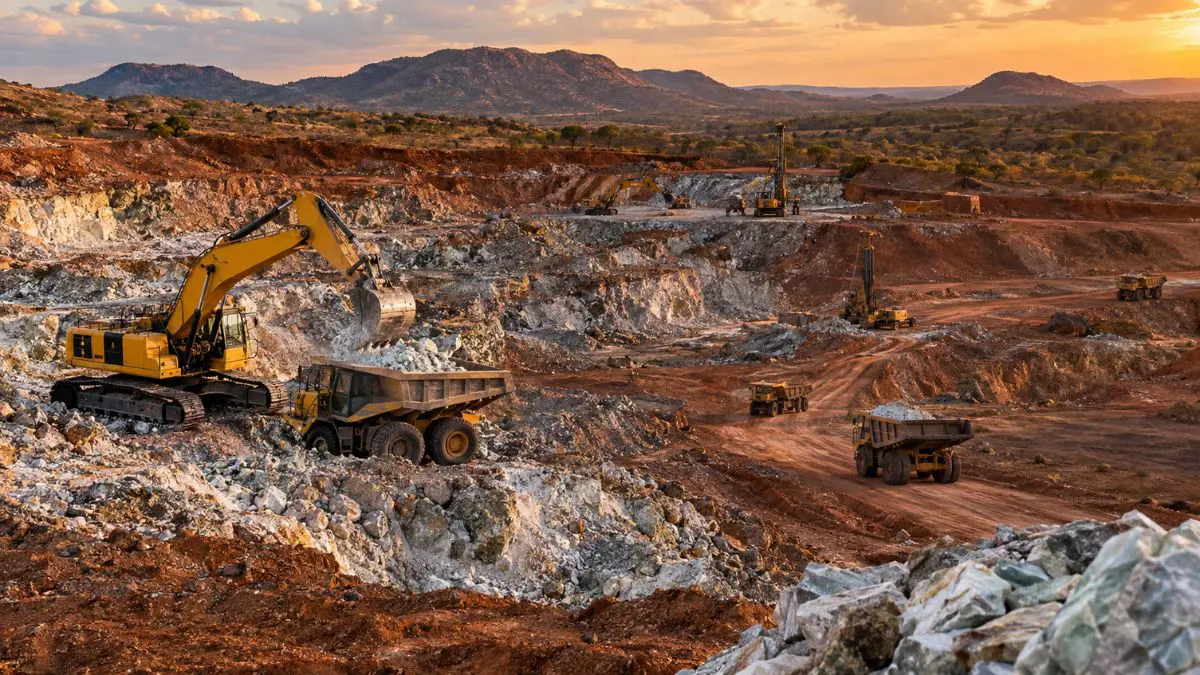
Lohum has secured rights to 10 spodumene-bearing lithium mining blocks in Zimbabwe’s Matabeleland South Province, covering approximately 1,100 hectares. The company estimates that the blocks contain between 30 million and 40 million tonnes of spodumene ore, with lithium oxide grades reported at around 1% to 3%.
The initial assets are expected to support production of approximately 300,000 metric tonnes of lithium carbonate equivalent (LCE) over their operating life. Lohum estimates the deposits have an in-situ value of around $7 billion at prevailing lithium carbonate prices. The valuation is a company estimate and can change materially with lithium prices, recovery rates and development costs.
Beyond the initial 10 blocks, Lohum also holds an option to acquire up to 90 adjacent mining blocks, potentially expanding its primary spodumene resource base in the region.
Building a local processing chain
Zimbabwe has been tightening restrictions on the export of unprocessed lithium as it seeks to capture more value from its mineral resources.
The country prohibited exports of lithium-bearing ore and unbeneficiated lithium in 2022, subject to limited exemptions and ministerial permits. In 2023, regulations introduced additional requirements around processing and approved processing plants. Zimbabwe then suspended exports of lithium concentrates and other raw minerals in February 2026, although the country’s policy framework has continued to evolve.
Lohum therefore says it plans to develop processing capabilities in Zimbabwe rather than exporting raw ore. Existing spodumene concentration facilities in the region provide near-term processing options while the company develops its own concentration capacity, according to the company.
The approach is important because Zimbabwe has increasingly tied mineral exports to domestic beneficiation. The government has announced that, from 2027, lithium sulphate and higher-value products would be permitted for export as the country moves further up the processing chain.
Lohum’s current public statements do not establish that its first shipment was already converted into crude lithium sulfate or that a 30,000-tonne-per-year lithium carbonate refinery in India is already operational. Those elements should therefore be treated as planned processing and production capacity rather than current output.
Targeting 30,000 tonnes of annual LCE production
Lohum had said in June that it was targeting approximately 30,000 tonnes of lithium carbonate equivalent production per year from its Zimbabwe assets. At the time, the company expected its newly acquired mines to become operational within one to two months.
The annual target is substantially different from the estimated 300,000-tonne lifetime LCE potential of the initial 10 blocks. The former is a planned annual production rate, while the latter represents the company’s estimate of cumulative output from the resource base over its operating life.
Lohum Founder and CEO Rajat Verma said securing lithium at the source would help reduce supply-chain costs and strengthen India’s electric-vehicle ecosystem.
The company is also developing capabilities further down the battery-materials value chain, building on its existing refining, advanced-material manufacturing and battery-recycling operations.
From recycling to primary lithium supply
The Zimbabwe project represents a strategic shift for Lohum, which has historically been associated with lithium-ion battery recycling, refining and recovery of critical materials.
By adding mining to its portfolio, the company aims to establish a more integrated pathway from primary mineral extraction through processing and refining to battery materials and eventual recycling.
The strategy also comes as India attempts to reduce its dependence on imported critical minerals. The government’s National Critical Mineral Mission is designed to strengthen domestic capabilities and encourage access to mineral resources both within India and overseas.
For Lohum, securing an overseas source of spodumene provides greater control over an important battery-material feedstock while giving the company an upstream asset that complements its existing downstream operations.
Why this matters
- India gains an overseas lithium source: Lohum’s Zimbabwe operation gives an Indian company direct exposure to primary lithium resources outside the country.
- Local beneficiation becomes central: Zimbabwe’s tightening export rules make in-country processing an important part of Lohum’s operating strategy.
- Potential production scale: The initial 10 blocks are estimated to contain 30–40 million tonnes of spodumene ore and could support about 300,000 tonnes of LCE over their operating life.
- Upstream and downstream integration: The mining project extends Lohum’s existing refining, advanced materials and recycling operations into primary mineral supply.
- Potential expansion: Options over as many as 90 neighbouring blocks provide a pathway for Lohum to expand its resource footprint in Zimbabwe.
FAQs
Q1. What has Lohum started in Zimbabwe?
Lohum has dispatched the first shipment of lithium ore from its mining assets in Zimbabwe, marking the start of its overseas mining operations. The company says this makes it the first Indian company to produce lithium from overseas assets.
Q2. How large are Lohum’s Zimbabwe lithium assets?
Lohum has rights to 10 spodumene-bearing mining blocks covering approximately 1,100 hectares. The company estimates these blocks contain 30 million to 40 million tonnes of spodumene ore.
Q3. How much lithium could the initial assets produce?
The initial blocks are expected to support around 300,000 metric tonnes of lithium carbonate equivalent over their operating life. Lohum has separately targeted annual production of approximately 30,000 tonnes of LCE.
Q4. Will Lohum export raw lithium ore from Zimbabwe?
Lohum says it plans to develop processing capabilities in Zimbabwe rather than exporting raw ore. This is particularly important given Zimbabwe’s restrictions on unprocessed lithium and its broader push for domestic mineral beneficiation.
Q5. Does Lohum have additional mining opportunities in Zimbabwe?
Yes. The company has an option to acquire up to 90 adjacent mining blocks, potentially providing substantial room to expand its primary lithium resource base.