Iran reviews diplomatic channels with U.S., signals possible progress soon
By Cygnus | 02 Feb 2026
Summary
Iran is reviewing multiple diplomatic channels aimed at easing tensions with the United States and hopes for progress in the coming days, according to a senior foreign ministry official.
The renewed diplomatic signals come as Washington strengthens its military presence in the Middle East and both sides acknowledge indirect communication through regional intermediaries — though no direct talks have been confirmed.
TEHRAN / WASHINGTON — Iran is examining several diplomatic processes designed to manage escalating tensions with the United States and is hopeful that the efforts could deliver results in the near term, a foreign ministry official said on Monday.
Foreign ministry spokesperson Esmaeil Baghaei told reporters in Tehran that the government was reviewing the “details of various diplomatic processes” aimed at reducing friction between the two longtime adversaries.
While Baghaei did not outline the precise scope of the talks, he said discussions were underway over how engagement could be structured and coordinated.
Military pressure alongside quiet diplomacy
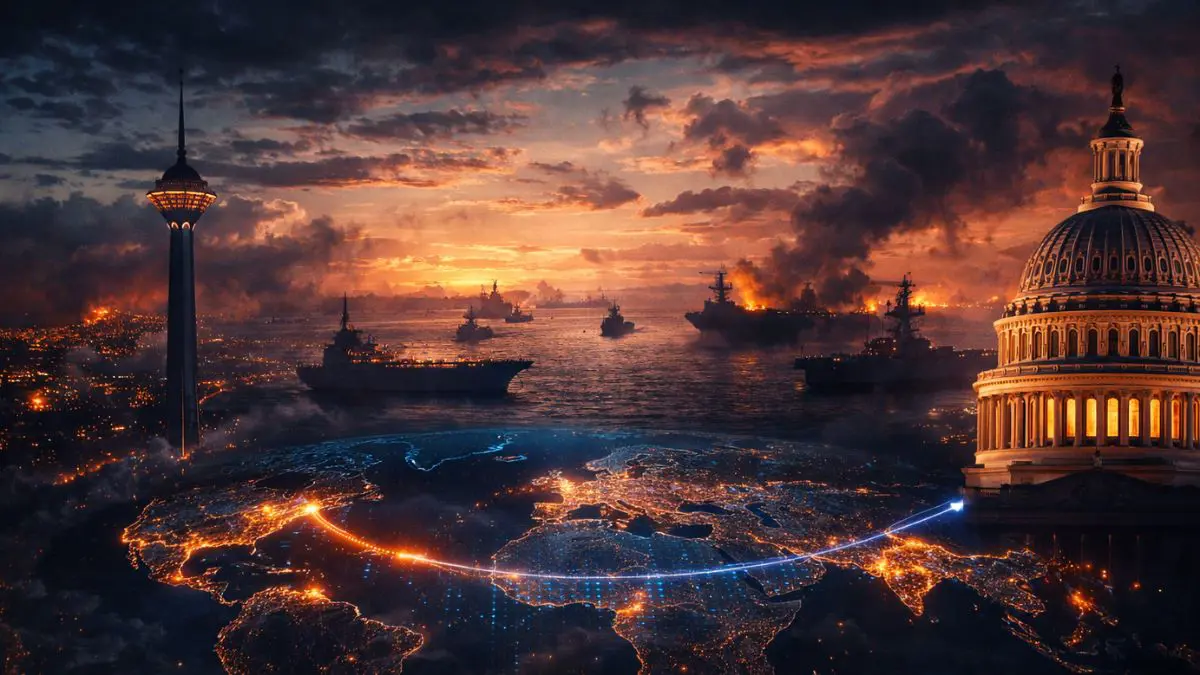
The diplomatic signals come as Washington has expanded its military footprint in the Middle East, deploying a major aircraft carrier strike group and additional warships as part of what U.S. officials describe as a deterrence posture toward Iran.
U.S. President Donald Trump said over the weekend that Iran was “seriously talking” with Washington, expressing hope that a deal could eventually be reached.
The remarks echoed comments from senior Iranian officials suggesting that indirect engagement — rather than formal negotiations — is now underway.
Messages moving through intermediaries
Iranian political figure Ali Larijani, who plays a role in national security policy, said recently that arrangements for negotiations were beginning to take shape, though without offering details.
Baghaei confirmed that regional countries are relaying messages between Tehran and Washington, adding that multiple diplomatic tracks are being assessed simultaneously.
“There are various points that have been exchanged, and we are currently deciding and examining the details of each process that we hope will bring results in the coming days,” he said.
Officials on both sides, however, have stressed that communication remains indirect and preliminary.
Red lines remain firm
Despite the softer diplomatic tone, Iran has reiterated that key elements of its national defence posture are not open for negotiation.
Foreign Minister Abbas Araghchi said over the weekend that while a path toward a nuclear-related agreement may exist, Iran’s missile capabilities remain non-negotiable and talks cannot proceed under military pressure or threats.
U.S. officials, meanwhile, continue to frame their position around preventing Iran from acquiring nuclear weapons while maintaining pressure through sanctions and regional deterrence.
Why this matters
The renewed diplomatic activity comes at a sensitive moment for global security and energy markets.
- Any easing of U.S.–Iran tensions could lower geopolitical risk in the Gulf region
- Progress on diplomacy may eventually influence sanctions policy and oil supply expectations
- Continued military buildup raises the stakes if talks stall or collapse
Even modest engagement could signal a shift away from confrontation after years of near-constant escalation.
FAQs
Q1: Are Iran and the U.S. holding direct talks?
No. Officials on both sides say communication is currently indirect, conducted through regional intermediaries rather than face-to-face negotiations.
Q2: Why has the U.S. increased its military presence?
Washington says the deployments are intended to deter Iran and protect regional security amid rising tensions.
Q3: What is Iran seeking from diplomacy?
Tehran’s primary goals include sanctions relief and reduced military pressure, while maintaining its defence capabilities.
Q4: What are Iran’s red lines?
Iran has made clear that its missile program and national security infrastructure are not open to negotiation.
Q5: Is a breakthrough likely soon?
Iranian officials have expressed hope for near-term progress, but U.S. officials remain cautious, citing deep mistrust and unresolved issues.

























