Energy crisis fears grow as U.S. urges India to buy Russian oil; G7 weighs reserve release
By Axel Miller | 09 Mar 2026
Summary
Global oil markets are under pressure as prices rise sharply amid geopolitical tensions. The United States has urged India to purchase Russian crude already at sea to ease supply concerns, while G7 officials discuss a coordinated release of emergency reserves.
WASHINGTON/NEW DELHI, March 9, 2026 — Global energy markets remained volatile on Monday as oil prices climbed sharply amid escalating geopolitical tensions and concerns over supply disruptions.
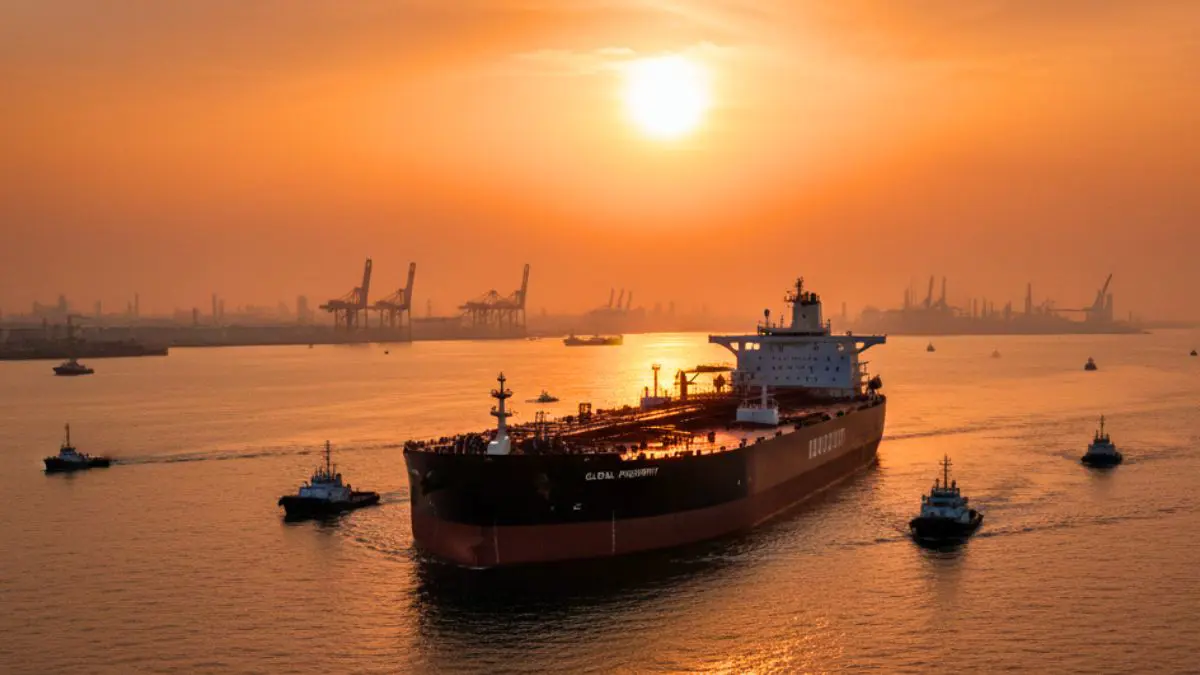
In an effort to stabilize markets, the United States has urged India to consider purchasing Russian crude already at sea, according to U.S. Energy Secretary Chris Wright. The proposal aims to accelerate the entry of available barrels into global supply chains and ease pressure on prices during a period of heightened uncertainty.
U.S. pushes short-term supply solution
Wright said Washington had encouraged Indian refiners to redirect Russian cargoes currently awaiting unloading at Asian ports, describing the move as a practical step to address near-term shortages.
“It’s a pragmatic effort with a short time span,” Wright said, stressing the approach was intended as a temporary measure rather than a broader policy shift toward Moscow.
Separately, U.S. Treasury Secretary Scott Bessent said a limited waiver had been issued allowing purchases of Russian oil loaded on vessels before March 5, providing flexibility for buyers facing tight supplies.
G7 explores coordinated response
The discussions come as G7 finance ministers and International Energy Agency (IEA) Executive Director Fatih Birol hold consultations on potential coordinated actions to stabilize markets.
Among the options under consideration is a joint release of emergency oil reserves, a tool previously used during supply disruptions to moderate price volatility.
Analysts say such measures could help ease market concerns if geopolitical risks persist.
Markets react to uncertainty
Oil prices rose sharply in recent sessions, approaching levels not seen since 2022, reflecting investor concern about supply risks and broader macroeconomic uncertainty.
Energy markets remain sensitive to developments in West Asia, where tensions continue to influence expectations around production, shipping routes and insurance costs.
Why this matters
• Highlights growing geopolitical risks facing global energy markets.
• Shows continued reliance on strategic reserves during crises.
• Underscores India’s expanding role in global oil trade flows.
• Reflects broader volatility across commodities and equities.
FAQs
Q1. Why is the U.S. urging India to buy Russian oil?
To bring available supply into the market faster and reduce near-term shortages.
Q2. Does this change sanctions policy?
No. The waiver is temporary and applies only to specific cargoes.
Q3. How high have oil prices risen?
Prices have climbed sharply toward levels last seen in 2022 amid supply concerns.
Q4. What is the G7 discussing?
A coordinated release of emergency reserves to stabilize markets.
Q5. Why are cargoes waiting offshore?
Logistical delays and scheduling constraints at major ports.

























