Global energy markets under strain as Hormuz risks raise supply concerns
By Cygnus | 24 Apr 2026
Summary
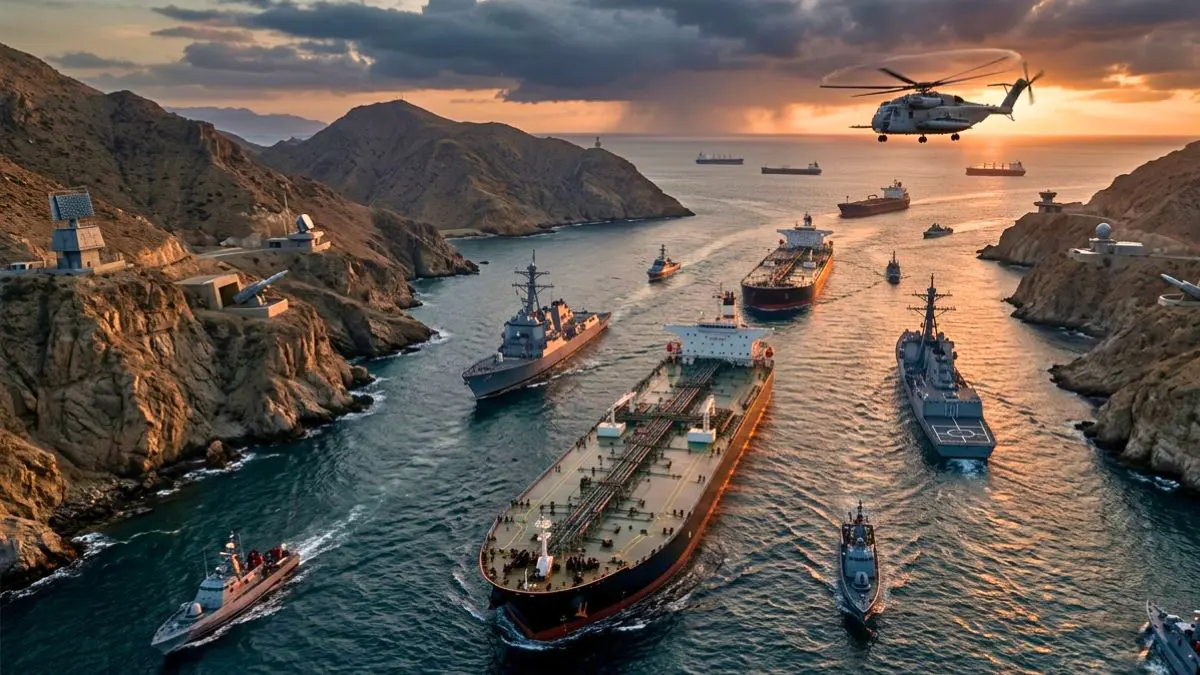
- The Strait of Hormuz handles roughly 20% of global oil trade, making any disruption a major global concern.
- Import-dependent economies across Asia remain highly vulnerable to supply shocks and price volatility.
- Physical crude markets can trade at premiums to futures during supply stress, reflecting immediate scarcity risks.
LONDON, April 24, 2026 — Global energy markets are showing signs of stress as geopolitical tensions around the Strait of Hormuz raise concerns about potential supply disruptions. While there is no confirmed full blockade, even partial disruptions or heightened risk premiums are already influencing pricing dynamics and trade flows.
Asia: the front line of energy dependence
Asian economies remain the most exposed to any instability in Gulf supply routes. Countries such as India, Japan, and Philippines rely heavily on crude and LNG shipments passing through Hormuz.
Governments across the region are closely monitoring inventories and preparing contingency measures, including diversification of supply and strategic reserves deployment. However, no widespread fuel rationing or emergency declarations on the scale described have been officially confirmed.
Market dynamics: physical vs futures pricing
Oil markets are increasingly reflecting a divergence between paper (futures) and physical crude pricing. While benchmark futures such as Brent remain relatively stable, spot cargoes can command premiums during periods of logistical uncertainty or supply risk.
The International Energy Agency has previously warned that even perceived disruptions in critical chokepoints can tighten short-term supply, pushing refiners to secure immediate deliveries at higher prices.
Aviation and downstream impact
Jet fuel and refined product markets tend to react quickly to crude supply uncertainty. Airlines and logistics operators often face rising costs during such periods, though large-scale global flight cancellations or systemic shutdowns have not been verified in current conditions.
Why this matters
- Energy security focus: Countries are accelerating efforts to diversify crude sourcing away from single chokepoints.
- Inflation risk: Even without a full disruption, higher transport and insurance costs can push up fuel prices globally.
- Strategic reserves: Governments may increasingly rely on emergency stockpiles to stabilize domestic markets.
FAQs
Q1. Is the Strait of Hormuz currently blocked?
No. There is no confirmed full blockade. However, geopolitical tensions can still disrupt flows or raise risk premiums.
Q2. Why is Hormuz so important?
Roughly one-fifth of global oil trade passes through this narrow maritime corridor, making it one of the world’s most critical energy routes.
Q3. Why do physical oil prices sometimes exceed futures?
Physical prices reflect immediate supply-demand conditions, while futures represent expectations about future availability and geopolitical developments.

























