Bolivia vows to honour energy and lithium contracts to rebuild investor confidence
By Cygnus | 19 Jan 2026
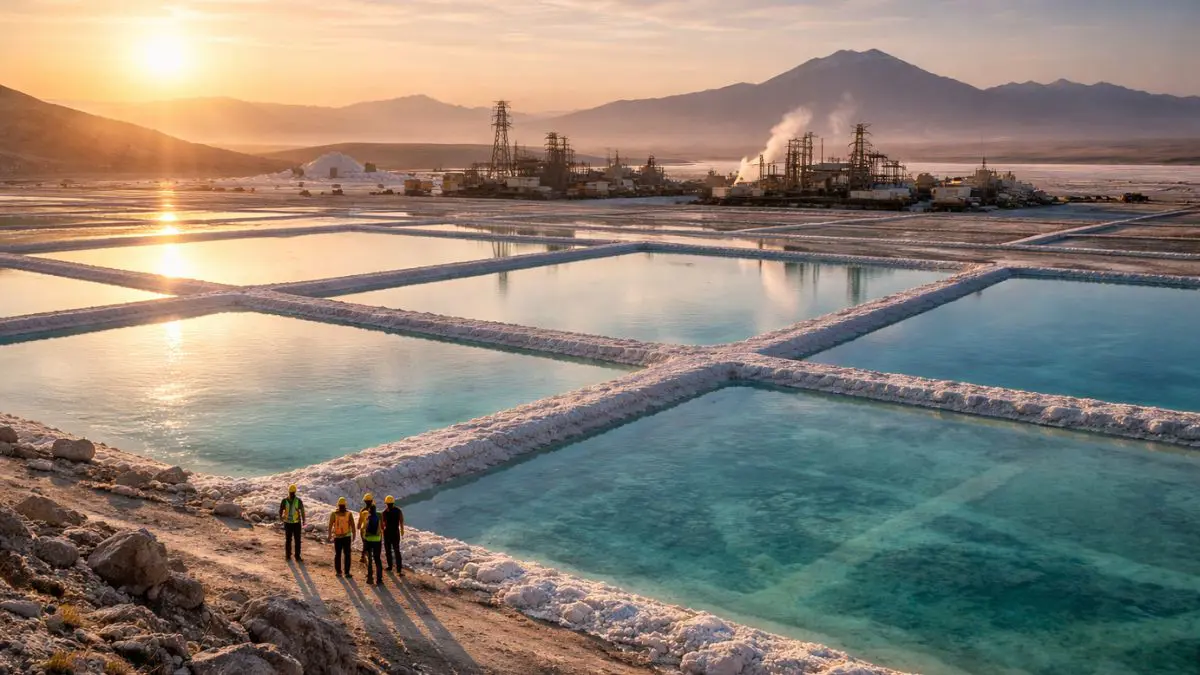
LA PAZ, Jan 19, 2026 — Bolivia’s new centrist government has pledged to respect all existing oil, gas and lithium agreements as it seeks to restore investor confidence after years of policy uncertainty and falling energy output, Energy Minister Mauricio Medinaceli said in an interview.
Medinaceli, appointed by President Rodrigo Paz in November, said the government would honour contracts signed under the previous leftist administration with Chinese and Russian companies, even where it disagreed with how those deals were awarded. The move is aimed at sending a clear signal to global investors that Bolivia intends to provide stability and predictability for major projects.
“Our contracts will be respected,” Medinaceli said, adding that the same commitment applies to fuel suppliers and companies involved in lithium exploration. “Ideology doesn’t put food on the table. We cannot act out of geopolitical zeal and undermine the country’s economic future.”
Bolivia holds some of the world’s largest lithium reserves and significant natural gas resources, but output has stagnated after years of heavy state control and weaker investment in exploration. In recent years, the country has become increasingly reliant on imported fuels as domestic production declined.
President Paz has moved quickly to reset Bolivia’s foreign policy and re-engage with international lenders as his administration seeks to stabilise the economy. Medinaceli said the government would continue working with Chinese and Russian firms that signed controversial lithium deals, stressing that contracts would not be scrapped.
“These companies have already invested here,” he said. “Now we must find a way forward within the framework of the signed agreements.”
Overhaul of oil, gas and lithium policy
Bolivia is drafting a sweeping new hydrocarbons law and a separate lithium law to attract private capital back into the sector after years of weak exploration and falling output. The reforms, expected in the first half of 2026, would introduce more flexible tax and royalty terms, new contract models and a larger role for private companies.
State energy firm YPFB will remain part of the system but will no longer dominate it, Medinaceli said. If approved by Congress this year, Bolivia plans to launch new oil and gas exploration bidding rounds in 2027, he added.
Fuel subsidy cuts spark protests
As part of its economic reset, the government lifted several fuel subsidies in December, triggering protests across the country. While officials have since reached agreements with major labour unions, analysts warn that further reforms could still provoke unrest.
Medinaceli said the subsidy cuts were essential to stabilise public finances and reduce Bolivia’s growing dependence on imported fuel. The next phase will shift much of fuel supply and logistics to private operators through long-term distribution contracts designed to ensure stable prices and investment recovery.
“We want to send a clear message to the world,” he said. “Bolivia respects its contracts — and it is serious about rebuilding its energy sector.”
FAQs
Q1) Why is Bolivia pledging to honour existing energy and lithium contracts now?
Bolivia is seeking to rebuild investor confidence after years of policy uncertainty and declining energy output. By committing to uphold signed agreements, the new government aims to signal greater predictability and reduce investment risk in oil, gas and lithium projects.
Q2) Which contracts does the pledge cover?
The government says it will respect existing agreements across the energy and mining value chain, including contracts with foreign partners involved in oil, gas and lithium development, as well as fuel supply arrangements.
Q3) Why is lithium so important to Bolivia’s strategy?
Lithium is considered a major long-term economic opportunity because Bolivia holds some of the world’s largest reserves. Global demand for lithium has increased sharply due to its use in EV batteries, grid storage and clean-energy supply chains.
Q4) What reforms are planned under the new hydrocarbons and lithium laws?
Bolivia is drafting a new hydrocarbons law and a separate lithium law aimed at improving investment conditions. Proposed reforms include more flexible tax and royalty terms, new contract models, and a larger role for private companies while maintaining a role for state entities.
Q5) What role will YPFB play under the new policy approach?
The government says state energy company YPFB will remain in the system, but its dominance will be reduced under a model that allows greater participation by private firms and competitive bidding.
Q6) Why were fuel subsidies reduced, and what was the impact?
The government reduced certain fuel subsidies to ease pressure on public finances and reduce reliance on imported fuel. The move triggered protests and political pushback, highlighting the social sensitivity of economic reforms.
Q7) When could new oil and gas exploration rounds begin?
Officials have indicated that if the legal reforms are approved in 2026, Bolivia could launch new oil and gas exploration bidding rounds in 2027.
Q8) What does this mean for energy and mining investors?
The pledge to honour existing contracts may reduce policy uncertainty and improve investor sentiment. However, investment decisions will still depend on how quickly legal reforms progress, the regulatory framework, and Bolivia’s ability to maintain stability during economic restructuring.

























