Indian sailors recount trauma and debt after Iran conflict evacuation
By Cygnus | 07 May 2026
Summary
Indian seafarers evacuated from the Gulf region during the Iran conflict are returning home with stories of fear, financial distress, and uncertainty about their future. Several crew members stranded aboard vessels near Iranian ports described nightly missile activity and weeks of confinement as shipping routes through the Strait of Hormuz faced major disruption. Alongside the psychological toll, many sailors are burdened by heavy recruitment debts after paying large sums to secure overseas jobs that were interrupted by the conflict. Indian authorities have coordinated evacuations through complex land-and-air routes as regional maritime risks continue to disrupt global shipping.
MUMBAI, May 7, 2026 — Indian sailors evacuated from the Gulf amid escalating regional tensions are describing weeks of fear and uncertainty after commercial shipping routes near Iran and the Strait of Hormuz faced severe disruption.
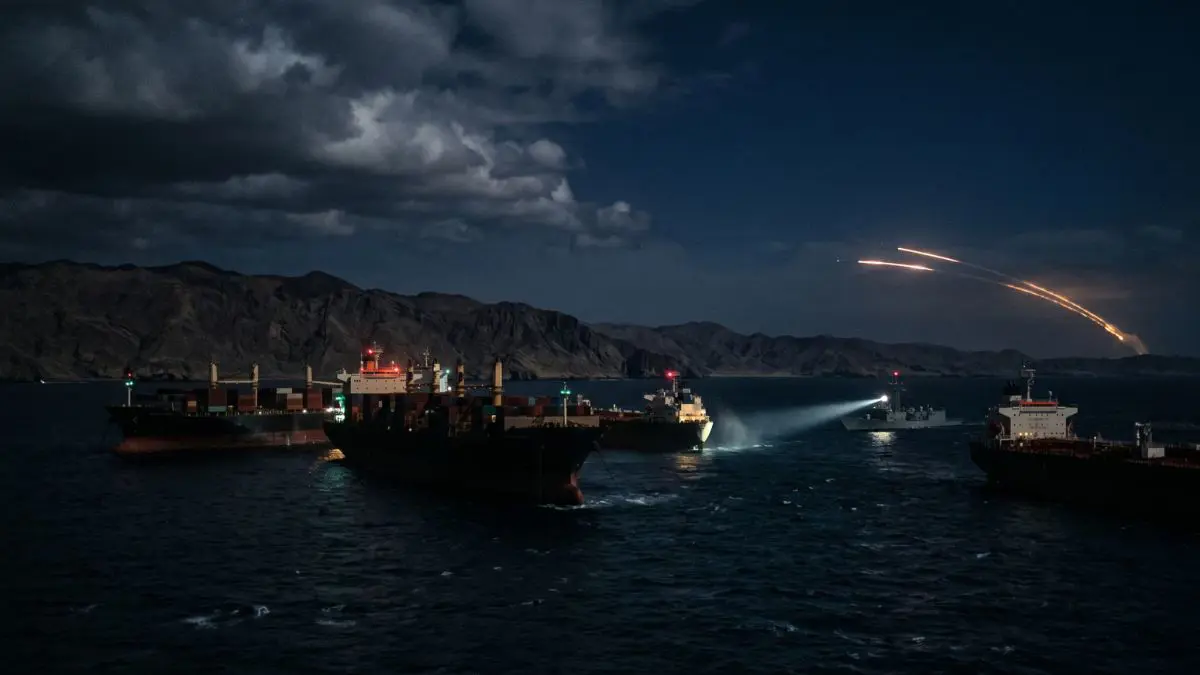
Several crew members who returned to Mumbai this week said they spent long periods stranded aboard vessels near Iranian ports as military activity intensified across the region.
Among them was 28-year-old seafarer Tithi Chiranjeevi, who said crews endured constant anxiety while trapped offshore during missile and drone exchanges linked to the wider regional conflict.
“The nights were the hardest,” he said after arriving in Mumbai. “Nobody knew whether commercial ships would remain safe or when we would be allowed to leave.”
Financial hardship deepens for returning sailors
Beyond the security risks, many returning seafarers are now facing mounting debt.
Industry workers and maritime unions say some crew members paid recruitment agents between ₹2 lakh and ₹4.5 lakh to secure overseas contracts. With voyages interrupted and ships immobilized, several sailors claim wages were delayed or suspended altogether.
Families who financed these jobs through private loans are now struggling to repay creditors while crew members search for new employment.
Maritime labor groups have renewed calls for tighter oversight of recruitment agencies and stronger protections for Indian seafarers working in high-risk regions.
India organizes complex evacuation corridors
The Indian government has coordinated the return of thousands of citizens from conflict-affected Gulf regions over recent months.
Due to disruptions in maritime traffic and airspace restrictions, some evacuations involved long overland journeys through neighboring countries before passengers could board flights back to India.
Officials said the process required close coordination with regional governments, embassies, shipping firms, and international agencies to move stranded sailors safely out of affected zones.
India remains one of the world’s largest suppliers of maritime labor, with hundreds of thousands of Indian nationals employed across global shipping fleets.
Shipping industry faces growing labor concerns
Shipping analysts warn that prolonged instability in the Gulf could create wider labor shortages if sailors begin refusing assignments in conflict-prone maritime corridors.
The Strait of Hormuz remains one of the world’s most strategically important shipping routes, handling a significant share of global oil and LNG trade.
Higher insurance premiums, rerouted cargo traffic, and rising crew safety concerns are already increasing costs for global shipping operators.
Industry observers say the psychological impact on seafarers may also become a long-term workforce challenge for the maritime sector.
Why this matters
- Human cost of geopolitical conflict:
Commercial shipping workers are increasingly exposed to risks created by regional military escalation and disrupted trade routes. - Recruitment reform pressure:
The crisis is intensifying scrutiny on informal maritime recruitment practices and high placement fees charged to workers. - Global trade vulnerability:
Crew shortages and shipping disruptions in the Gulf could further strain already fragile global logistics and energy supply chains.
FAQs
Q1. Why were Indian sailors stranded near Iran?
Shipping activity in and around the Strait of Hormuz was heavily disrupted due to military tensions, security restrictions, and regional maritime risks.
Q2. Why are many sailors in debt?
Some workers paid large recruitment fees or took loans to secure overseas contracts. With voyages disrupted, many returned home without receiving expected wages.
Q3. How were sailors evacuated?
Many evacuees traveled through alternative land-and-air corridors arranged with the support of Indian diplomatic missions and regional authorities.