Ferrari eyes India growth as possible duty cuts boost demand
By Axel Miller | 29 Apr 2026
Summary
- The proposed European Union–India Free Trade Agreement is still under negotiation, and no confirmed timeline or final duty cut to 30% has been implemented.
- Ferrari sees strong long-term growth potential in India, driven by rising high-net-worth individuals and aspirational buyers.
- India’s luxury car market is witnessing a gradual shift toward younger entrepreneurs and startup founders, though traditional wealthy buyers still dominate.
NEW DELHI, April 29, 2026 — Ferrari is sharpening its focus on India as a high-growth luxury market, even as expectations build around a potential trade agreement between the European Union and India that could lower import duties on premium automobiles in the future.
While discussions around the trade pact have intensified, there is no confirmed agreement yet that reduces import duties on completely built units (CBUs) from current levels of over 100% to 30%. Any such change would depend on final negotiations and phased implementation timelines.
Pricing hopes tied to trade talks
India currently imposes high import duties on luxury vehicles, which significantly increases the on-road price of brands like Ferrari. Industry stakeholders expect that a future trade agreement could gradually reduce these tariffs, improving accessibility for ultra-luxury buyers.
However, claims of immediate price reductions of ₹1 crore or more remain speculative until policy details are officially finalized and implemented.
India becomes a strategic growth market
Ferrari has increasingly identified India as an important long-term market within Asia. Rising wealth creation, especially in sectors like technology and finance, is expanding the base of potential buyers for high-performance luxury vehicles.
Globally, Ferrari continues to maintain a low-volume, high-margin strategy, and India remains a relatively small but growing contributor to its overall sales.
Changing profile of luxury buyers
The Indian luxury car buyer base is gradually evolving. Alongside traditional business families, a new generation of entrepreneurs—particularly from startup ecosystems in cities like Bengaluru, Mumbai, and Delhi NCR—is entering the market.
That said, the shift toward significantly younger average buyers (mid-30s) is still gradual rather than dominant, and varies widely across regions and segments.
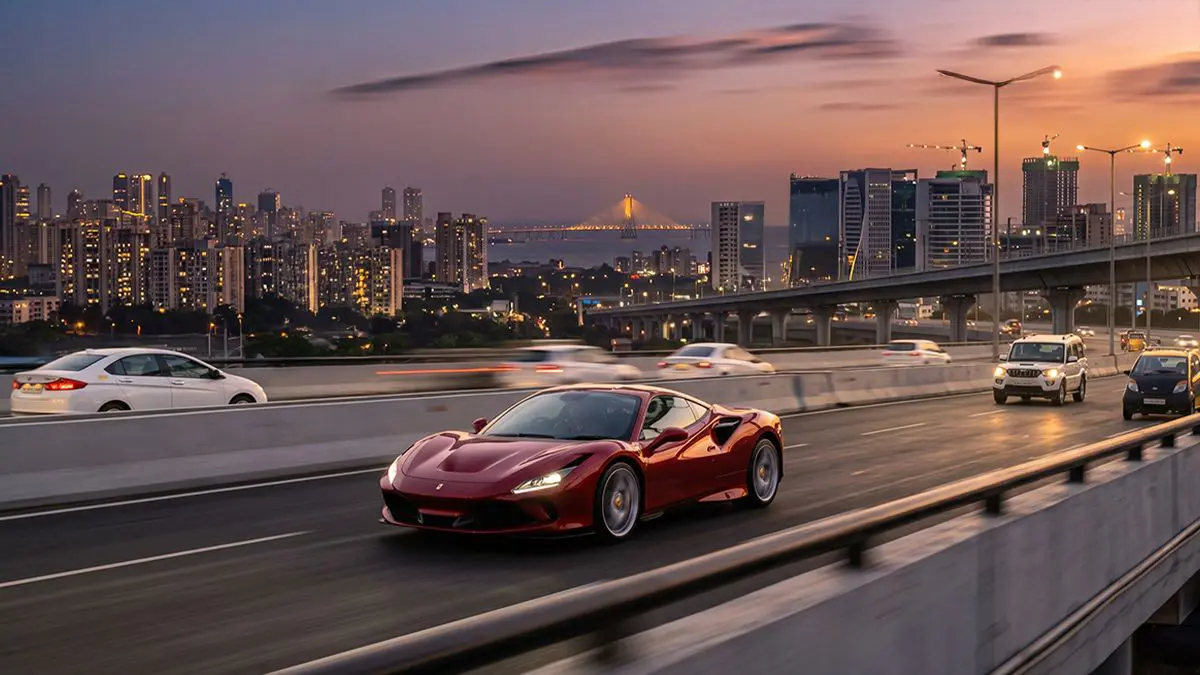
Infrastructure improvements, including expressways and better urban roads, are also making high-performance vehicles more usable, though practical constraints remain.
Why this matters
- Policy-driven demand: Any reduction in import duties could meaningfully expand India’s ultra-luxury car market.
- Premium market growth: Rising wealth and global exposure are increasing demand for high-end automotive brands.
- Cautious optimism: Automakers are planning ahead, but major pricing shifts depend entirely on trade policy outcomes.
FAQs
Q1. Has the EU–India FTA reduced car import duties yet?
No. The agreement is still under negotiation, and no confirmed duty reduction has been implemented.
Q2. Will Ferrari cars become cheaper in India soon?
Prices may fall if duties are reduced in the future, but timelines and extent of cuts remain uncertain.
Q3. Is India a major market for Ferrari?
India is still a small market in volume terms, but it is considered a high-potential growth region.