India’s crude imports from Russia surge as Middle East supply volatility reshapes sourcing mix
By Cygnus | 21 Apr 2026
Summary
- Import diversification shift: India’s crude oil imports from Russia have increased significantly in recent years, driven by discounted pricing and market realignment following Western sanctions on Russian energy exports.
- Middle East remains key supplier: Countries such as Iraq, Saudi Arabia, and the United Arab Emirates continue to be major suppliers to India, collectively accounting for a substantial share of imports.
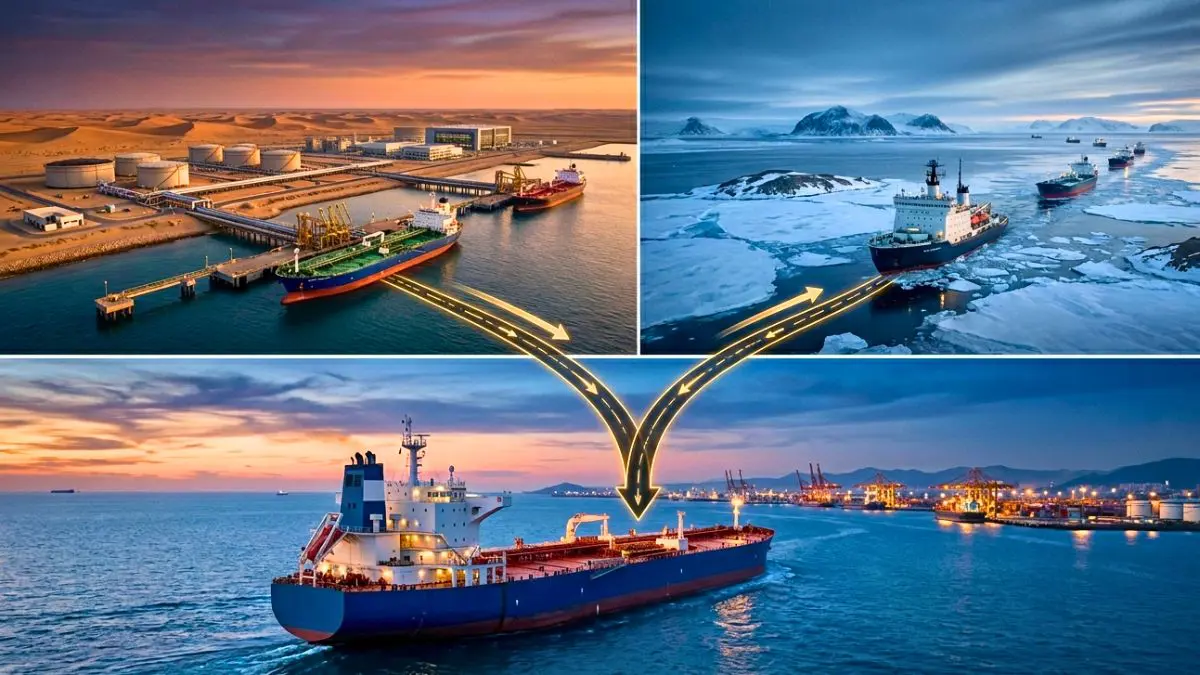
- Logistics adaptation: Trade flows have adjusted through alternative shipping routes, including longer-haul maritime paths, but there is no closure of the Strait of Hormuz, which remains open under international maritime law.
NEW DELHI, April 21, 2026 — India’s crude oil import pattern has undergone a notable structural shift over the past two years, with Russia emerging as one of its largest suppliers, while traditional Middle Eastern producers continue to play a central role in the country’s energy basket.
According to recent trade trends, Russian crude has increased its share of India’s imports following global sanctions-related discounts and supply reallocation in global oil markets. However, it has not replaced Middle Eastern suppliers, which remain critical to India’s energy security.
Middle East supply remains central
Suppliers such as Iraq, Saudi Arabia, and the United Arab Emirates continue to be key contributors to India’s crude imports.
The Strait of Hormuz remains open and continues to function as one of the world’s most important energy shipping corridors, with global tanker traffic operating under standard international maritime rules.
Russia’s rising share in imports
Russia has expanded its presence in India’s crude import mix since 2022, supported by discounted pricing and changes in global trade flows.
Oil shipments are transported via long-haul maritime routes, including Arctic and Baltic-origin exports during navigable seasons, but also through year-round conventional shipping channels depending on cargo origin and logistics planning.
Market and pricing dynamics
While discounted Russian crude has influenced India’s procurement strategy, landed costs are affected by freight, insurance, and refining differentials, which often narrow the price advantage compared to global benchmarks such as Brent crude.
Indian refiners continue to optimize sourcing across regions to balance cost, supply security, and refinery configuration requirements.
Why this matters
- Diversified energy sourcing: India continues to balance imports across Russia, the Middle East, Africa, and the Americas
- Geopolitical flexibility: Supply diversification reduces dependence on any single region
- Shipping resilience: Global oil trade adapts through multiple maritime routes rather than reliance on a single corridor
- Refining economics: Landed cost parity often matters more than headline crude discounts
FAQs
Q1. Is Russia supplying 50% of India’s oil?
No. Russia is a major supplier, but India continues to import significant volumes from Middle Eastern and other global producers.
Q2. Is the Strait of Hormuz closed?
No. The Strait of Hormuz remains open and is a key global energy transit route.
Q3. Why is India importing more Russian oil?
Primarily due to discounted pricing, supply diversification strategy, and global trade realignments following sanctions on Russia.

























