Indian exporters seek relief as US tariff disputes and refund processes evolve
By Axel Miller | 21 Apr 2026
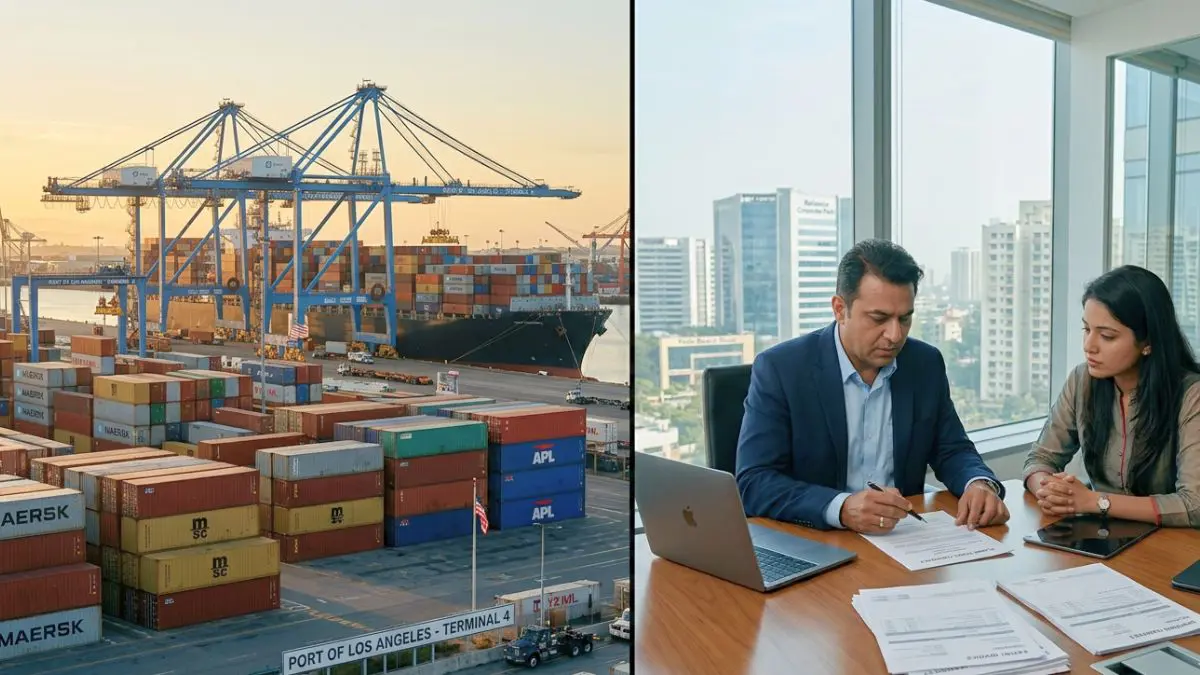
Summary
- Ongoing trade disputes: Indian exporters are closely tracking developments in US tariff measures and legal challenges related to past trade actions.
- Indirect refund exposure: Any duty refunds or reversals in the US system are typically paid to the importer of record, creating indirect recovery challenges for exporters.
- Contract renegotiation focus: Indian firms are increasingly relying on pricing adjustments and commercial negotiations to recover costs linked to earlier tariff burdens.
NEW DELHI, April 21, 2026 — Indian exporters are navigating a complex landscape of US trade policies and legal developments as they seek to recover costs linked to past tariff measures imposed on a range of imported goods.
While there have been ongoing legal and administrative reviews of certain US tariff actions, there is no single consolidated refund programme or centralized portal covering all duties. Instead, refund eligibility depends on specific cases, including court rulings, administrative reviews, or corrections filed with US Customs authorities.
How the US refund system works
Under US trade law, any approved duty refunds are paid to the Importer of Record (IOR)—typically the US-based buyer or distributor that originally paid the tariff.
This means that Indian exporters do not receive refunds directly, even when tariffs impacted their pricing or margins. Any financial recovery depends on contractual arrangements with US partners.
Exporters turn to commercial strategies
To mitigate losses, Indian exporters are increasingly using:
- Price renegotiations in ongoing contracts
- Credit notes or rebates linked to future orders
- Revised supply agreements reflecting lower tariff expectations
These approaches are especially relevant in sectors such as textiles, engineering goods, and chemicals, where margins are sensitive to tariff fluctuations.
Trade outlook remains fluid
The broader US tariff framework continues to evolve through a mix of administrative actions, court decisions, and trade policy adjustments.
Exporters and industry bodies, including the Global Trade Research Initiative, have emphasized the need for clear mechanisms that ensure fair distribution of any financial relief arising from tariff reversals.
Why this matters
- Exporter margins: Tariff-related costs continue to influence pricing and competitiveness
- Contractual dependency: Recovery depends heavily on importer-exporter relationships
- Policy uncertainty: Ongoing legal and regulatory changes affect trade planning
- Sector impact: Labour-intensive export sectors are particularly sensitive to tariff shifts
FAQs
Q1. Do Indian exporters receive US tariff refunds directly?
No. Refunds are paid to the importer of record in the United States.
Q2. How can exporters recover losses from tariffs?
Primarily through commercial negotiations such as price revisions, credit notes, or long-term contract adjustments.
Q3. Is there a single US tariff refund portal?
No. Refunds are processed through established customs and legal mechanisms, depending on the case.