Hormuz disruption triggers economic split across Gulf economies
By Axel Miller | 27 Apr 2026
Summary
Gulf economies are facing a sharp divergence in growth prospects as regional geopolitical tensions disrupt key maritime trade routes. Energy-exporting states dependent on the Strait of Hormuz are experiencing severe pressure on output and fiscal balances, while countries with alternative export corridors are relatively more resilient. Non-oil sectors, particularly tourism and real estate, are also slowing due to heightened risk perception and reduced global travel confidence.
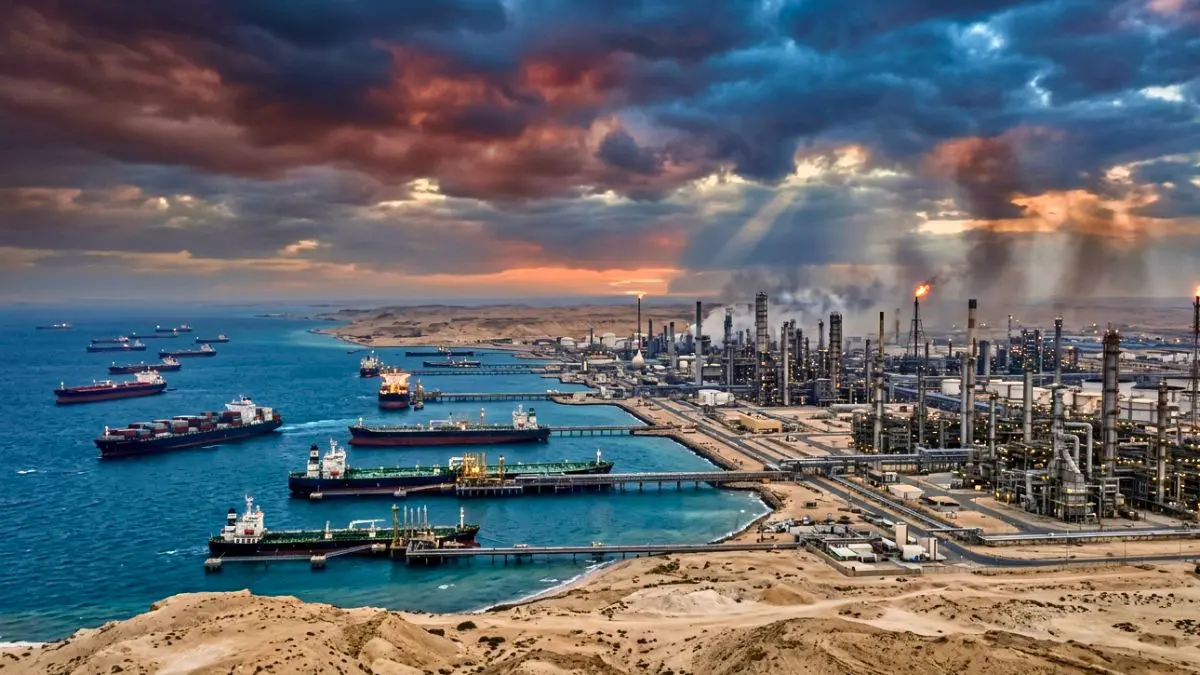
BENGALURU, April 27, 2026 — Economies across the Gulf Cooperation Council (GCC) are undergoing a significant downturn as geopolitical tensions in West Asia disrupt shipping routes through the Strait of Hormuz, a critical passage for global energy exports.
energy export disruption reshapes growth outlook
Hydrocarbon-dependent economies are seeing the sharpest impact. Qatar, heavily reliant on liquefied natural gas exports, faces significant production and export constraints due to shipping bottlenecks. According to recent international economic assessments, the country’s growth outlook has been sharply downgraded, reflecting reduced export volumes and logistical disruptions. Smaller economies such as Kuwait and Bahrain are also under pressure due to constrained trade flows and higher transport risk premiums.
divergence in regional resilience
Not all GCC economies are equally affected. Saudi Arabia has shown relative resilience due to its diversified export routes, including pipeline infrastructure that reduces dependence on maritime chokepoints. Oman is also benefiting from alternative trade corridors. In contrast, countries more exposed to Strait of Hormuz shipping constraints are experiencing weaker fiscal and external balances.
non-oil sectors lose momentum
Beyond energy, the non-oil economy is also slowing. Tourism, real estate, and luxury retail sectors—particularly in the United Arab Emirates—are facing softer demand as geopolitical uncertainty dampens international travel and investment sentiment. Previously expected growth in these sectors has moderated significantly compared to earlier forecasts.
fiscal pressure builds across the region
Several GCC states continue to rely on sovereign wealth buffers to manage widening fiscal deficits. However, increased spending on domestic stability, infrastructure commitments, and economic diversification programs is adding pressure to national budgets. Debt levels in smaller economies remain a growing concern if disruptions persist into the medium term.
Why this matters
- Global energy pricing pressure: Disruptions in Gulf exports contribute to higher global oil price volatility and inflationary pressure.
- Shift in trade infrastructure: Countries are accelerating investments in alternative export routes to reduce reliance on vulnerable maritime chokepoints.
- Uneven regional stability: The crisis is widening economic divergence within the GCC, separating more diversified economies from those heavily dependent on energy exports.
FAQs
Q1. Why are some Gulf countries more affected than others?
Countries with alternative export infrastructure or diversified economies are less exposed than those heavily reliant on Strait of Hormuz shipping routes.
Q2. Is the Gulf region running out of financial reserves?
No. Most GCC countries hold large sovereign wealth funds, but these are increasingly being used to offset fiscal and infrastructure pressures.
Q3. How does this affect global inflation?
Higher shipping costs and energy price volatility are contributing to global inflationary pressures, especially in fuel and transportation-linked goods.