Scientists produce perfect diesel substitute from bacteria
24 Apr 2013
In a breakthrough that could have enormous implications for the world's future energy needs, a team of scientists has developed a method to make bacteria produce diesel on demand.
Potentially turning a menace to human beings into a benefactor of the race, University of Exeter scientists backed by oil major Shell have created strains of the E coli bacteria - toxic to humans if ingested in food - which are capable of producing a biofuel almost identical to diesel.
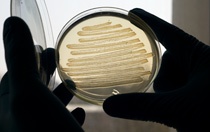 |
| E. coli bacteria have been made to produce diesel fuel. Image credit: Marian Littlejohn |
The importance of the discovery hinges around the idea of "drop-in" fuels - being almost identical to conventional diesel, the bio-fuel does not need to be blended with petroleum products. It can be distributed through the existing diesel infrastructure and pumped directly into fuel tanks.
"Producing a commercial biofuel that can be used without needing to modify vehicles has been the goal of this project from the outset," said Professor John Love from the University of Exeter's Biosciences department.
"Replacing conventional diesel with a carbon neutral biofuel in commercial volumes would be a tremendous step towards meeting our target of an 80 per cent reduction in greenhouse gas emissions by 2050. Global demand for energy is rising and a fuel that is independent of both global oil price fluctuations and political instability is an increasingly attractive prospect."
Of course the research has a long way to go before commercial production can be thought about - the process at present yields only tiny amounts of biodiesel. Bioscientists will need to find a way to tweak create a process to produce industrial quantities of fuel.
The E coli bacterium has a natural oil production process to convert sugars into fats, which are then used in the bacteria's cell membrane. By genetically altering the E coli the researchers were able to convert the sugars to the imitation fossil fuel instead.
Rob Lee from Shell Projects & Technology said, "While the technology still faces several hurdles to commercialisation, by exploring this new method of creating biofuel, along with other intelligent technologies, we hope they could help us to meet the challenges of limiting the rise in carbon dioxide emissions while responding to the growing global requirement for transport fuel."
(See: Bugs produce diesel on demand).

























