Qatar and U.S. Sign Strategic Declaration to Strengthen AI and Semiconductor Supply Chains
By Axel Miller | 13 Jan 2026
Qatar and the United States have signed a strategic cooperation declaration in Doha aimed at strengthening coordination on critical technology supply chains, including artificial intelligence (AI), semiconductors, and advanced digital infrastructure, according to official statements and public remarks by officials.
The declaration was signed on January 12, 2026 by Dr. Ahmed bin Mohammed Al-Sayed, Qatar’s Minister of State for Foreign Trade Affairs, and a senior U.S. government representative responsible for international economic and technology policy.
Officials described the framework as a long-term effort to enhance supply chain resilience, support trusted technology ecosystems, and encourage investment into strategic infrastructure that underpins next-generation AI systems.
From energy diplomacy to “compute diplomacy”
The agreement reflects a broader shift in global industrial strategy: nations are increasingly treating AI-related infrastructure — particularly compute capacity, cloud systems, and semiconductor-linked supply chains — as economic security priorities rather than purely commercial industries.
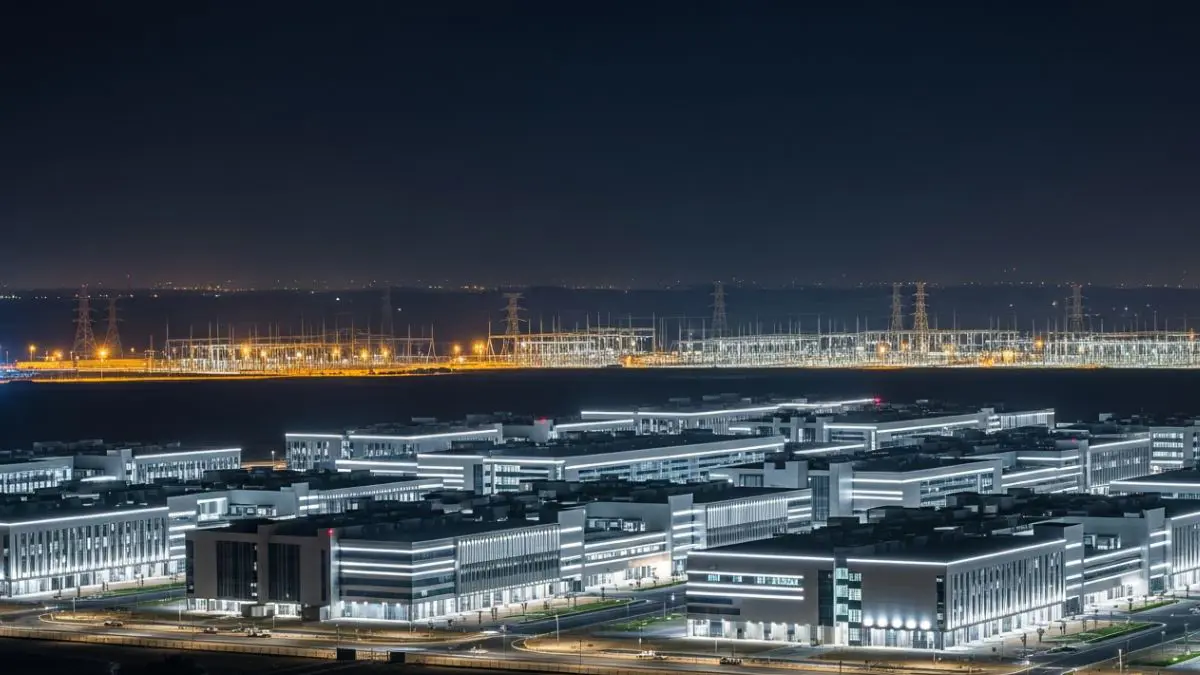
Qatar’s participation also highlights how energy-rich economies are positioning themselves in the AI era. Officials and industry observers increasingly view reliable low-cost electricity, along with capital availability, as two of the most decisive inputs shaping where AI data centers and advanced digital infrastructure will be built over the next decade.
What the declaration covers
While the full implementation roadmap will depend on follow-up decisions, officials said the cooperation framework is intended to support:
- closer coordination on semiconductor supply chain resilience
- development of AI ecosystem infrastructure, including data-center and cloud-linked capacity
- partnerships in advanced digital infrastructure
- facilitation of cross-border investment into strategic technology sectors
- collaboration aligned with trusted and secure technology standards
The move is part of a wider global trend where governments are using diplomatic and investment frameworks to reduce single-country dependency risks in critical technology sectors.
Qatar positions investment and infrastructure as strategic leverage
For Doha, the declaration aligns with the country’s economic diversification agenda and long-term development priorities.
While no project-specific investment amounts were confirmed in the announcement, the agreement strengthens the policy framework for capital deployment into AI-related infrastructure and digital supply chains — including areas such as hyperscale data centers, digital security systems, and advanced manufacturing support networks.
Gulf region’s growing role in AI infrastructure buildout
The agreement adds to the growing role of Gulf economies in the global AI infrastructure race, as demand for computing capacity rises.
Technology-linked supply chains now involve far more than chips alone — they require power generation, grid stability, cooling infrastructure, logistics, skilled technical manpower, and long-term financing — all areas where Gulf markets are increasingly trying to position themselves as relevant partners.
Summary
Qatar and the United States signed a strategic declaration in Doha on January 12, 2026 to strengthen cooperation on critical technology supply chains, including AI, semiconductors and advanced digital infrastructure. Officials said the framework is aimed at improving supply chain resilience and enabling trusted ecosystem partnerships. The deal also underscores how energy-rich economies are positioning power availability and capital as strategic advantages in the next stage of global AI infrastructure expansion.
Frequently asked questions (FAQs)
Q1: What is the purpose of the Qatar–U.S. declaration?
It aims to strengthen coordination on critical technology supply chains and strategic infrastructure, including AI, semiconductors and advanced digital systems.
Q2: Is this mainly about semiconductors?
No. The framework is broader and covers AI infrastructure, digital resilience, and investment pathways supporting next-generation technology ecosystems.
Q3: Why does Qatar matter for AI infrastructure?
AI data centers require enormous amounts of reliable electricity and long-term infrastructure investment. Qatar’s energy strength and capital availability make it a potential partner in large-scale deployment.
Q4: Does the agreement confirm specific projects or investment amounts?
No specific project commitments were formally confirmed in the announcement. Future project activity, if any, would typically come through separate corporate or government-level announcements.