ORNL energy harvesters transform waste into electricity
18 May 2011
Billions of dollars lost each year as waste heat from industrial processes can be converted into electricity with a technology being developed at the Department of Energy's Oak Ridge National Laboratory.
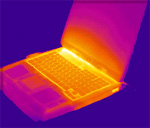 The high-efficiency thermal waste heat energy converter actively cools electronic devices, photovoltaic cells, computers and large waste heat-producing systems while generating electricity, according to Scott Hunter, who leads the development team. The potential for energy savings is enormous.
"In the United States, more than 50 percent of the energy generated annually from all sources is lost as waste heat," Hunter said, "so this actually presents us with a great opportunity to save industry money through increased process efficiencies and reduced fuel costs while reducing greenhouse gas emissions."
Initially, Hunter envisions the technology being used for cooling high-performance computer chips, thereby helping to solve an enormous problem facing manufacturers of petaflop-scale computers. These mega machines generate massive amounts of heat that must be removed, and the more efficient the process the better. Turning some of that heat into electricity is an added bonus.
Hunter's technology uses cantilever structures that are about 1 millimeter square in size. About 1,000 of these energy converters can be attached to a 1-inch square surface such as a computer chip, concentrated photovoltaic cell or other devices that generate heat. Although the amount of electricity each device can generate is small - 1 to 10 milliwatts per device - many arrays of these devices can be used to generate sizable amounts of electricity that can power remote sensor systems or assist in the active cooling of the heat generating device, reducing cooling demands.
The underlying concept, pyroelectricity, is based on the use of pyroelectric materials, some of which have been known for centuries. First attempts to use this technology to generate electricity began several decades ago, but these studies have been plagued by low thermal to electricity conversion efficiencies - from about 1 to 5 percent.

























