Heartburn, acidity drugs can harm kidneys: study
30 Oct 2015
Certain common medications used to treat heartburn and acid reflux may have damaging effects on the kidneys, researchers including one of Indian-origin have found.
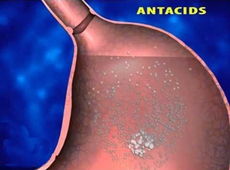 The drugs, proton pump inhibitors (PPIs), are among the top 10 class of prescribed medications in the US.
The prevalence of chronic kidney disease (CKD) is on the rise, with more than 20 million Americans burdened by the disease, researchers said.
Diabetes and hypertension are common risk factors for CKD; however, certain medications can also play a role.
Two new studies show that increased use of proton pump inhibitors (PPIs), medications that treat reflux and stomach ulcers, may be contributing to the CKD epidemic.
In one study, Benjamin Lazarus of Johns Hopkins University and his colleagues followed 10,482 adults with normal kidney function from 1996 to 2011.
They found that PPI users were between 20 per cent and 50 per cent more likely to develop CKD than non-PPI users, even after accounting for baseline differences between users and non-users.
This discovery was replicated in a second study, in which over 240,000 patients were followed from 1997 to 2014.
''In both studies, people who used a different class of medications to suppress stomach acid, known as H2-blockers, did not have a higher risk of developing kidney disease,'' said Lazarus.
''If we know the potential adverse effects of PPI medications we can design better interventions to reduce overuse,'' he said.
In another study, Pradeep Arora of State University of New York and his team found that among 24,149 patients who developed CKD between 2001 and 2008 (out of a total of 71,516 patients), 25.7 per cent were treated with PPIs.
Among the total group of patients, those who took PPIs were less likely to have vascular disease, cancer, diabetes, hypertension, and chronic obstructive pulmonary disease, but PPI use was linked with a 10 per cent increased risk of CKD and a 76 per cent increased risk of dying prematurely.
''As a large number of patients are being treated with PPIs, health care providers need to be better educated about the potential side effects of these drugs, such as CKD,'' said Arora.
''PPIs are often prescribed outside of their approved uses, and it has been estimated that up to two-thirds of all people on PPIs do not have a verified indication for the drug,'' he said.

























