Neuralink patient reports improved computer use months after first brain implant
By Cygnus | 23 Mar 2026
Summary
Neuralink’s first human patient, Noland Arbaugh, says he can control a computer cursor and play video games using the company’s brain implant months after surgery, despite early technical challenges.
SAN FRANCISCO, March 23, 2026 — Neuralink’s first human implant recipient, Noland Arbaugh, has reported steady progress in using the company’s brain-computer interface to operate a computer, highlighting both the promise and early challenges of the experimental technology.
Arbaugh, who was paralysed below the shoulders following a diving accident, received the implant in January 2024 as part of Neuralink’s early-stage clinical trial. In public updates shared on social media, he said he has been able to move a computer cursor, browse the internet and play video games using only neural signals.
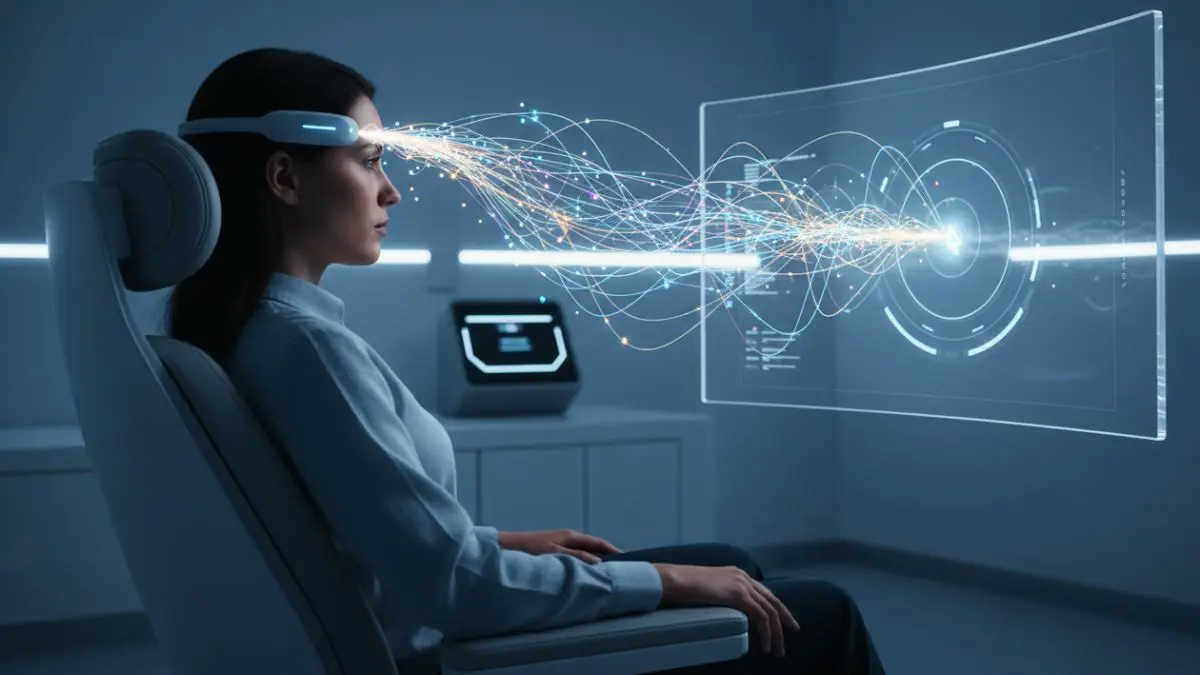
The implant, known as the N1, is designed to interpret brain activity and translate it into digital commands, enabling users to control external devices without physical movement.
Neuralink previously disclosed that some of the implant’s ultra-thin threads shifted position after surgery, affecting signal strength. The company said it addressed the issue through software adjustments that improved the system’s ability to interpret neural activity.
Despite the setback, Arbaugh said the device continues to function and has allowed him to carry out a range of digital tasks independently, though the technology remains under clinical evaluation.
Neuralink has received regulatory approval in the United States to expand its human trials, with the goal of testing the safety and effectiveness of its brain-computer interface in more patients.
The company, founded by Elon Musk, is among several firms developing brain implants aimed at helping people with paralysis and neurological conditions regain communication and control over digital devices.
Why this matters
- Demonstrates real-world progress in brain-computer interface technology
- Highlights potential to restore independence for people with paralysis
- Signals continued momentum in neurotechnology and clinical innovation
- Underscores both the promise and limitations of early-stage medical devices
- Provides initial validation for emerging assistive and rehabilitation technologies
FAQs
Q1. What can the Neuralink implant currently do?
It allows users to control a computer cursor and perform basic digital tasks using brain signals.
Q2. Is the technology fully reliable?
No. It is still experimental and undergoing clinical trials, with ongoing refinements to both hardware and software.
Q3. Is Neuralink available to the public?
No. The device is currently limited to approved clinical trial participants.