Google confirms first AI smart glasses launch in 2026
By Axel Miller | 09 Dec 2025
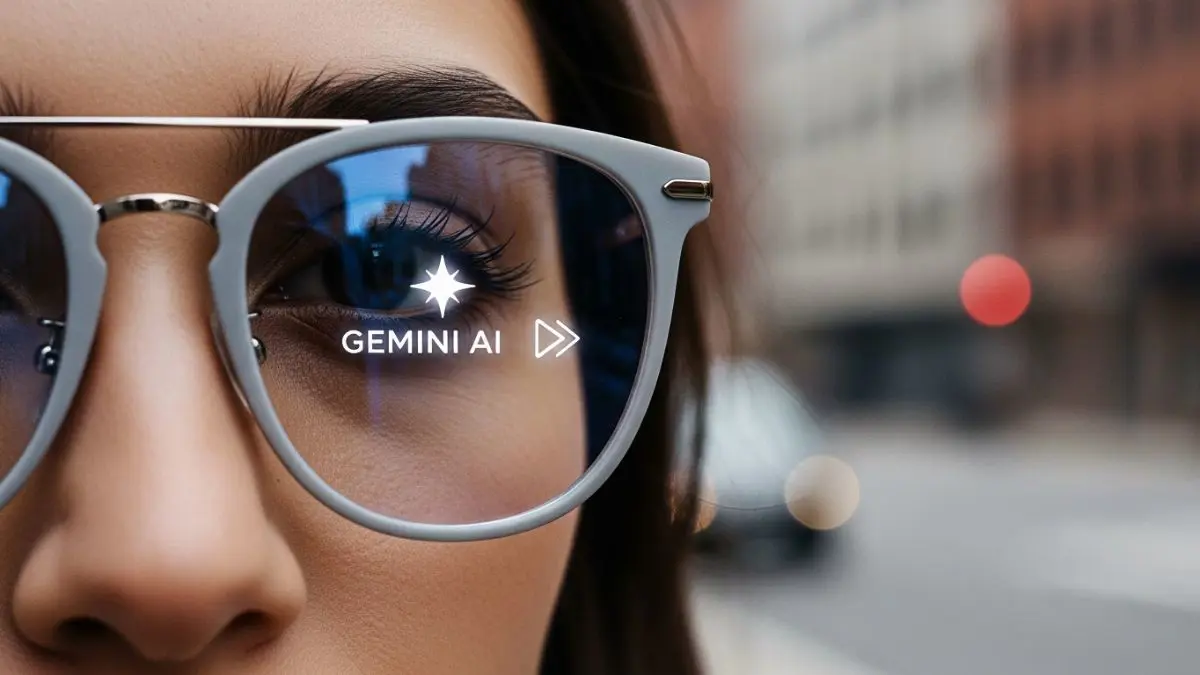
Google has confirmed that its first AI-powered smart glasses will reach the market in 2026, marking the company’s most serious return yet to wearable computing. The announcement came during The Android Show: XR Edition, where Google outlined its broader strategy for extended reality (XR) and previewed how artificial intelligence could move beyond smartphones and traditional screens.
The glasses are being developed in partnership with Samsung, which will handle hardware and XR integration, and fashion eyewear brands including Gentle Monster and Warby Parker, responsible for design and retail. The collaboration signals Google’s intention to blend advanced technology with everyday wearability. Rather than presenting the product as a futuristic gadget, the company is positioning it as an “ambient device” — lightweight, discreet, and designed for all-day use.
Google says it is developing two versions of its AI glasses to address different usage preferences:
- Screen-Free / Audio-First: One model will focus on screen-free interaction, using built-in speakers, microphones, and cameras to enable natural conversations with the company’s Gemini AI. Users will be able to ask questions, receive contextual assistance, and capture photos without relying on a visual display.
- In-Lens Display: The second model will include a discreet display capable of privately surfacing real-time information, such as navigation cues or live translation captions, directly within the user’s field of view.
A Strategic Push into Everyday AI Wearables
Google views these glasses as a practical extension of AI into the real world. Hands-free assistance could help users understand their surroundings, recall information, or communicate across languages, shifting AI from an occasional productivity tool to a constant companion. For Google, this represents a major step toward ambient computing, where AI operates quietly in the background instead of demanding active attention.
From an industry standpoint, the move highlights intensifying competition around AI-driven wearables, where hardware, software, and platforms increasingly intersect. By offering both display-based and screen-free designs, Google appears focused on balancing consumer acceptance with functional usefulness—an area that has challenged earlier smart-glasses efforts.
The Android XR Ecosystem
The smart glasses are also a cornerstone of Google’s broader Android XR initiative. Alongside devices such as Samsung’s upcoming Galaxy XR headset and hardware from partners like XREAL, the glasses are designed to extend Android into mixed and augmented reality environments.
To build momentum ahead of the launch, Google has released Developer Preview 3 of the Android XR SDK, allowing developers to begin building applications tailored for AI glasses. Early partners include Uber and GetYourGuide, pointing toward initial opportunities in navigation, travel, and location-based services.
For businesses, the announcement underscores Google’s ambition to create a new computing platform—one that could reshape how consumers access information and how companies deliver services. If successful, AI smart glasses could open up new advertising models, enterprise productivity tools, and immersive consumer experiences, while raising competition across the wearable and XR markets.
In Brief:
Google plans to launch its first AI smart glasses in 2026 with partners Samsung, Gentle Monster, and Warby Parker. By combining Gemini AI with Android XR, the company is betting on ambient, wearable computing as the next platform shift beyond smartphones.
FAQs
Q1: What makes Google’s AI smart glasses different from earlier smart glasses?
Google has clearly positioned these glasses as more wearable, fashion-forward, and less visually intrusive than earlier products like Google Glass. The emphasis on a screen-free version and a discreet display version reflects lessons learned from earlier market attempts, prioritizing utility over novelty.
Q2: How does Gemini AI power Google’s smart glasses?
Gemini serves as the intelligence layer, enabling conversational interaction, real-time translation, and contextual understanding of the visual environment. This allows the glasses to function as a proactive assistant rather than just a notification screen.
Q3: Why is Google partnering with Samsung, Warby Parker, and Gentle Monster?
The division of roles is strategic: Samsung provides the hardware and XR manufacturing expertise, while Warby Parker and Gentle Monster bring essential design credibility and retail networks needed to sell eyewear to the mass market.
Q4: What is the business significance of Android XR in this launch?
Android XR is framed as a unified operating system for XR hardware, similar to how Android standardized smartphones. By creating a consistent platform for developers, Google aims to accelerate the creation of apps that work across headsets and glasses.
Q5: When can developers start building apps for these glasses?
Developer Preview 3 of the Android XR SDK has been released, allowing developers to begin building and testing applications now. This ensures a library of apps will be ready when the glasses launch in 2026.

























