ChatGPT Becomes a Multi-App Powerhouse with Spotify, Canva, and Figma Integration
By Cygnus | 07 Oct 2025
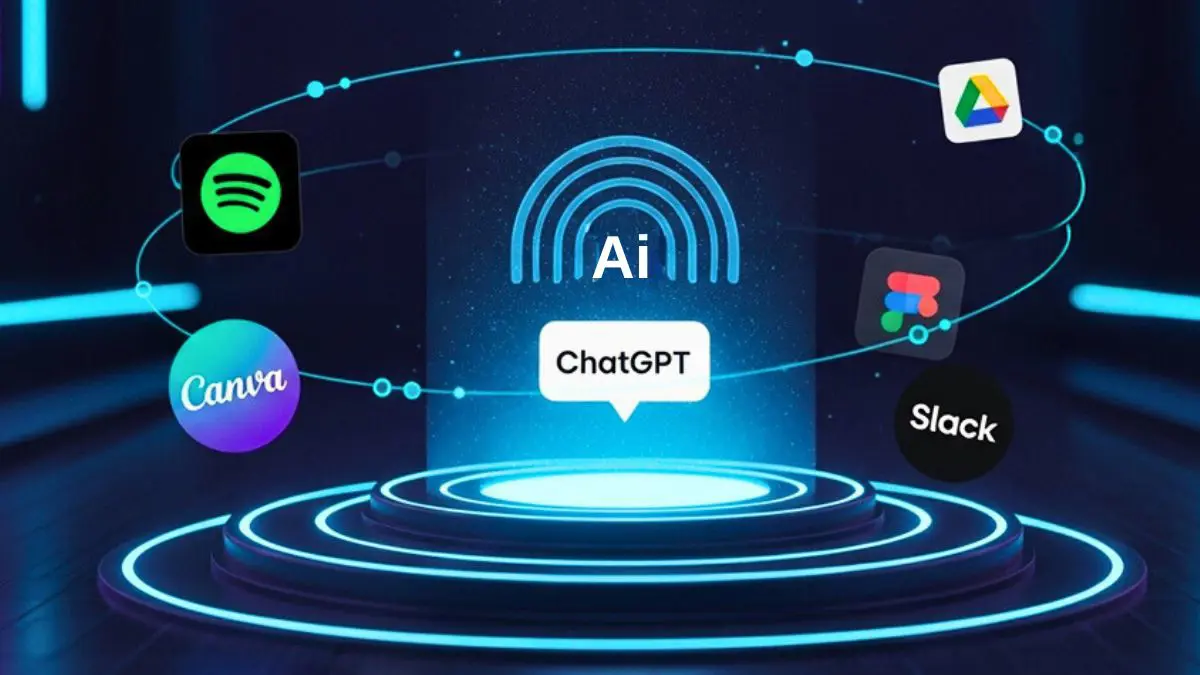
OpenAI is rolling out a significant update that transforms ChatGPT into a multi-platform productivity hub. The chatbot can now integrate directly with popular apps such as Spotify, Canva, Figma, and others, enabling users to perform creative and professional tasks without leaving the ChatGPT interface. Whether it’s building a music playlist, designing social media graphics, or editing a user interface layout, ChatGPT can now handle these activities through simple conversation. As OpenAI described in a recent post on X, “You can now chat with apps in ChatGPT,” signaling a major leap forward in how AI assistants connect with everyday digital tools.
The new integration is designed to make workflows faster, more intuitive, and conversational. For example, users can now ask ChatGPT to curate a playlist that matches their mood or activity, generate and refine designs on Canva with descriptive prompts, or adjust interface layouts within Figma. Each app interaction happens seamlessly inside the chat window, eliminating the need to switch between multiple platforms. Additional partnerships with services such as Zapier, Slack, and Google Drive further expand ChatGPT’s reach across work, creativity, and entertainment.
Spotify’s Senior Vice President and Global Head of Consumer Experience, Sten Garmark, said the collaboration aligns with Spotify’s long-term goal of being accessible wherever users are. By integrating with ChatGPT, Spotify aims to create a more natural and conversational experience for music discovery and engagement. Likewise, Canva and Figma integrations open new opportunities for designers and content creators to accelerate their workflows using AI-driven suggestions and automation.
For businesses, these integrations highlight a broader shift in how artificial intelligence is being embedded into day-to-day operations. Marketing teams can now generate branded content more efficiently, design agencies can prototype ideas faster, and creative professionals can explore concepts in real time. The partnership ecosystem forming around ChatGPT points toward a future where AI doesn’t just assist—it becomes the central interface through which most digital work is performed.
Currently, these integrations are available exclusively to ChatGPT Pro users, who have access to advanced tools and capabilities. Users can activate the apps within the ChatGPT interface and grant specific permissions for tasks, ensuring security and control. OpenAI has confirmed that more apps and expanded access will be introduced gradually, signaling plans for deeper enterprise integration in the near future.
This move also underscores the growing competition among AI platforms to become the default workspace for digital productivity. By embedding third-party services directly into its ecosystem, OpenAI positions ChatGPT as more than just a conversational assistant—it becomes a unified environment that combines creativity, communication, and collaboration. The integration could drive higher engagement across partner apps while strengthening OpenAI’s role in enterprise solutions.
Summary:
OpenAI’s latest update brings cross-platform integrations to ChatGPT, allowing users to work with apps like Spotify, Canva, and Figma directly within the chat interface. Initially available to Pro users, this feature bridges creativity and productivity across multiple tools, streamlining how individuals and businesses operate. The move not only enhances convenience but also positions ChatGPT as a central hub in the evolving AI-driven digital workspace.
Frequently Asked Questions (FAQs)
1. What is the new ChatGPT app integration update?
OpenAI’s latest update allows ChatGPT to directly integrate with popular third-party apps like Spotify, Canva, Figma, Slack, Zapier, and Google Drive. This means users can perform creative, design, and productivity tasks without leaving the ChatGPT interface—making the chatbot a true all-in-one workspace.
2. How do these integrations work inside ChatGPT?
Once enabled, users can simply type requests in natural language, and ChatGPT will interact with the connected apps accordingly. For instance, it can create a Spotify playlist, design a social media post on Canva, or modify layouts in Figma—all through chat-based instructions.
3. Who can access the ChatGPT app integrations right now?
Currently, these multi-app integrations are available to ChatGPT Pro users who have access to GPT-5 and other advanced tools. OpenAI has announced plans to expand the feature to a wider audience in the future.
4. What kind of tasks can ChatGPT perform with Spotify, Canva, and Figma?
With Spotify, ChatGPT can create or modify playlists and recommend songs based on mood or genre. In Canva, it can help generate templates, edit existing designs, and suggest layout improvements. For Figma users, ChatGPT can assist with UI brainstorming, component adjustments, and collaborative edits—all through conversation.
5. Are these integrations safe to use?
Yes. OpenAI allows users to manually approve and control permissions for each app integration. This ensures that ChatGPT can only access specific data or actions that users authorize, maintaining privacy and security.
6. Why is this update important for businesses?
The integration helps companies streamline workflows by merging design, communication, and automation tools into one interface. Marketing teams can create content faster, designers can collaborate more efficiently, and organizations can reduce time spent switching between multiple platforms.
7. Will OpenAI add more apps in the future?
OpenAI has confirmed that it plans to continuously expand the integration ecosystem, bringing in more popular apps and enterprise tools over time. This ongoing development will further position ChatGPT as a central hub for work, creativity, and collaboration.
8. How does this change the competitive landscape in AI?
By embedding third-party tools directly within ChatGPT, OpenAI is positioning itself as a leader in the “AI workspace” race—competing with platforms like Microsoft Copilot and Google Workspace AI. The goal is to make ChatGPT the central place where users work, create, and communicate.
9. Can free ChatGPT users try the integrations?
At the moment, integrations are exclusive to Pro users, but OpenAI has hinted at a broader rollout in the future. Free-tier users may get limited access or preview versions as the ecosystem expands.
10. What does this mean for the future of AI assistants?
This update signals a major shift in how AI will function—not just answering questions, but actively performing cross-platform tasks. ChatGPT is evolving into a digital productivity partner capable of handling creative, professional, and operational work seamlessly in one environment.

























