India faces unusually hot March, raising concerns over wheat and rapeseed output
By Axel Miller | 26 Feb 2026
Summary
India is expected to experience an unusually warm March, with temperatures forecast to remain significantly above seasonal norms across major grain-producing regions. The heat could threaten wheat and rapeseed yields at a critical growth stage, with potential implications for food inflation, trade balances, and power demand.
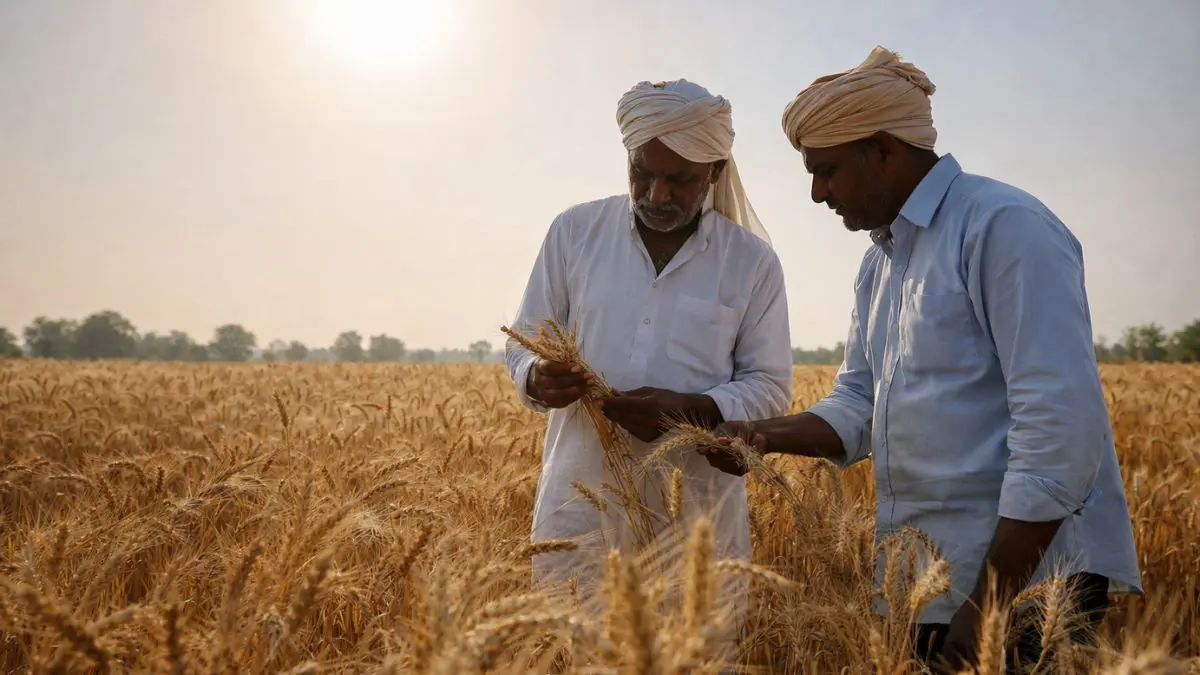
India is likely to experience one of its warmest Marches on record, with temperatures forecast to rise well above seasonal averages across key agricultural regions — a development that could put wheat and rapeseed crops at risk during a crucial phase of growth.
According to officials familiar with internal assessments at the India Meteorological Department (IMD), both daytime and nighttime temperatures in northern and north-western states are expected to remain markedly above normal. An official forecast is expected later this week.
Punjab, Haryana, Rajasthan, Uttar Pradesh, and parts of Madhya Pradesh — which together account for more than 80% of India’s wheat and rapeseed output — could see temperatures as much as 7°C above average, with daytime highs potentially exceeding 40°C by late March.
Food inflation and trade implications
The timing is critical. Wheat and rapeseed are currently in the grain-filling and maturity stages, when sustained heat can reduce grain size and overall yields. Winter crops such as wheat, rapeseed, and chickpeas depend on relatively cool conditions through March for optimal production.
India, the world’s second-largest wheat producer and a major importer of edible oils, is relying on a strong 2026 harvest to rebuild domestic stocks, potentially resume wheat exports, and curb imports of palm, soybean, and sunflower oils. Any weather-related shortfall could complicate those plans.
The risk is not merely theoretical. In 2022, an early heatwave forced the government to impose a wheat export ban after production fell short of expectations. Analysts say a repeat of sustained early heat could tighten domestic supplies and influence global grain and oilseed markets.
Ashwini Bansod, vice president for commodities research at Phillip Capital India, said persistent above-normal temperatures in early March would increase heat stress on crops. While record acreage this season has raised hopes for a bumper harvest, final output will depend heavily on weather conditions in the coming weeks.
Beyond agriculture, higher temperatures are also expected to boost electricity demand, potentially straining power distribution systems as cooling needs rise earlier than usual.
Why this matters
Unusual heat during a critical crop cycle can ripple through the broader economy. Lower wheat or oilseed output could push up food inflation, complicate monetary policy, and influence trade flows by increasing edible oil imports or delaying export normalization.
For global markets, India’s production outlook matters because the country is a major player in grain and vegetable oil demand. Weather shocks in India can therefore affect regional prices, supply chains, and policy decisions — particularly if the government intervenes to protect domestic supplies.
FAQs
Q1. Why is March weather crucial for wheat and rapeseed?
March is the grain-filling and maturity phase. Excess heat during this period can shrink grain size and reduce yields.
Q2. Which regions are most exposed to the heat risk?
Punjab, Haryana, Rajasthan, Uttar Pradesh, and parts of Madhya Pradesh — responsible for the majority of India’s wheat and rapeseed production.
Q3. Could this affect wheat exports?
Yes. If output disappoints, the government may prioritize domestic supply, as seen in 2022.
Q4. How might edible oil imports be affected?
Lower rapeseed production could increase reliance on imported edible oils, affecting trade balances.
Q5. Are there broader economic implications?
Yes. Potential effects include higher food inflation and increased electricity demand during early summer.

























