Schneider Electric beats profit estimates as data center demand drives growth
By Axel Miller | 26 Feb 2026
Summary
Schneider Electric reported stronger-than-expected earnings, supported by robust demand for data center infrastructure linked to AI expansion, even as currency movements weighed on reported revenue.
PARIS, Feb. 26, 2026 — Schneider Electric posted results that exceeded analyst expectations, helped by continued strength in data center-related demand, highlighting how investment in AI infrastructure is reshaping industrial growth trends.
The French energy management and automation group reported quarterly organic revenue growth of about 10.7%, reaching roughly €11.1 billion, ahead of market forecasts. Full-year adjusted EBITA also came in slightly above expectations.
Data centers emerge as a core growth engine
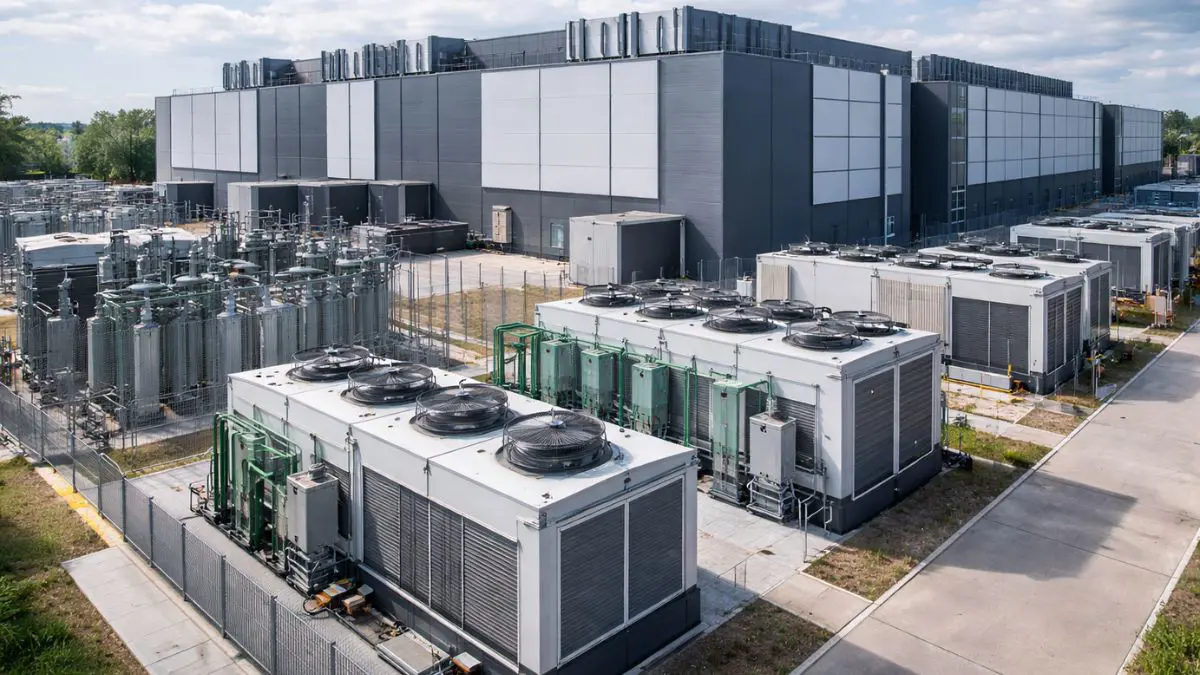
Demand tied to hyperscale and enterprise data centers continued to be a major driver of orders, reflecting global spending on power, cooling, and digital infrastructure.
The segment has become an increasingly important part of Schneider’s business as companies scale computing capacity to support AI workloads.
Outlook supported by AI infrastructure investment
Schneider said it expects organic revenue growth of around 7% to 10% in 2026, with moderate improvement in operating margins, broadly consistent with its medium-term targets.
The company pointed to sustained capital spending on digital and power infrastructure as a key tailwind, particularly in North America and parts of Europe.
Currency headwinds remain
Foreign exchange movements — especially fluctuations in the U.S. dollar — continued to weigh on reported results, reflecting the company’s global footprint.
Management also noted potential impacts from tariffs, though these are expected to remain manageable relative to overall growth drivers.
Leadership update
Schneider said Chief Financial Officer Hilary Maxson will step down in early April, with Nathan Fast set to succeed her.
Why this matters
The results underscore how the surge in AI-related infrastructure spending is benefiting companies across the industrial and power-management supply chain.
For investors, Schneider’s performance highlights the extent to which data center demand is becoming a structural growth driver rather than a cyclical boost.
FAQs
Q1. What drove Schneider Electric’s strong results?
Higher demand for data center power and cooling solutions linked to AI investment.
Q2. How big is the data center business for Schneider?
It has become a major contributor to orders as hyperscale infrastructure expands.
Q3. What is the company’s 2026 outlook?
Organic growth of roughly 7%–10% with modest margin expansion.
Q4. How are currencies affecting performance?
Exchange-rate movements reduced reported revenue and remain a headwind.
Q5. Why is this important for the broader market?
It shows how AI spending is boosting industrial suppliers, not just chipmakers.