Asian Industries Accelerate Shift to Solar as Energy Costs Drive Transition
By Cygnus | 24 Mar 2026
Summary
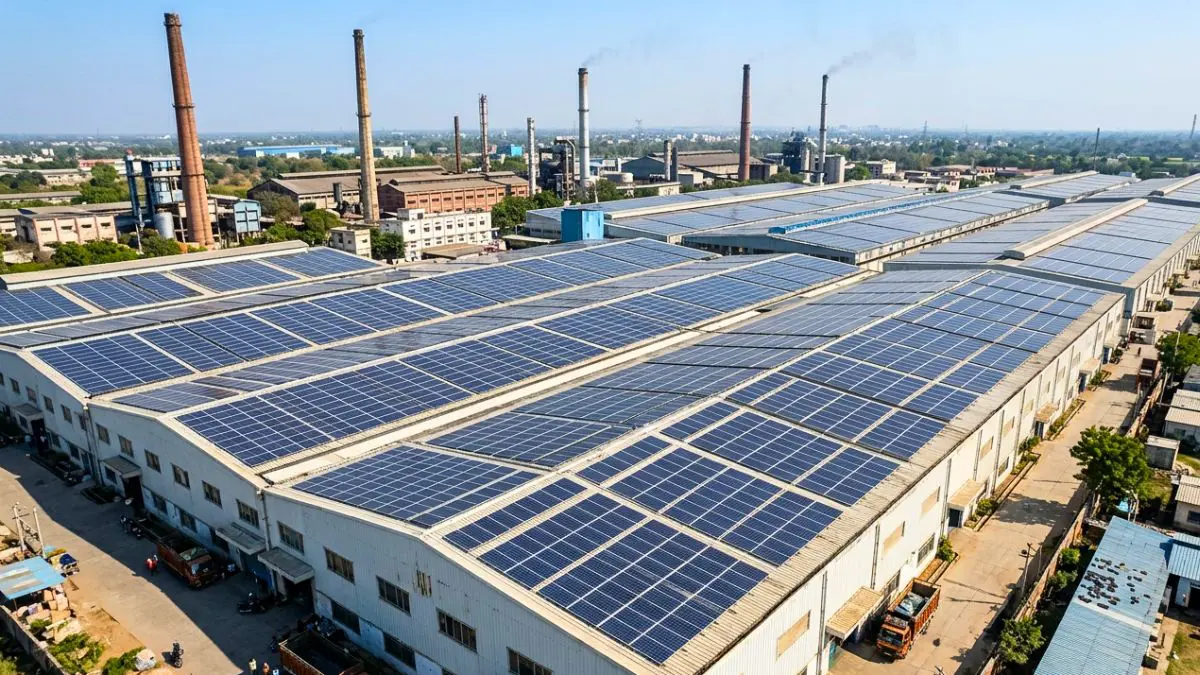
Industrial companies across South Asia are rapidly expanding solar power capacity to reduce energy costs and improve supply stability.
Rising grid tariffs and global fuel price volatility are pushing manufacturers to adopt renewables as a core energy source rather than a sustainability add-on.
NEW DELHI, March 24, 2026 — A growing number of industrial companies across South Asia are accelerating investments in solar energy, marking a structural shift in how manufacturers power their operations.
From cement producers to textile exporters, firms are increasingly turning to on-site renewable energy to reduce dependence on volatile fossil fuel markets and improve long-term cost efficiency.
Industrial Solar Gains Momentum
In Pakistan, Fauji Cement Company Limited has significantly expanded its solar footprint across multiple plants, integrating renewable energy into its overall power mix.
Similarly, in India, companies such as Gokaldas Exports are increasing their use of renewable energy—including solar, wind, and biomass—to support export competitiveness and sustainability goals.
Industry analysts note that solar adoption is particularly strong in:
- Cement and heavy manufacturing
- Textiles and apparel exports
- Energy-intensive industrial clusters
Cost Advantage Driving Adoption
One of the biggest drivers behind this transition is cost.
Solar power tariffs in the region have fallen sharply in recent years, making them increasingly competitive compared to conventional grid electricity. For large industrial users:
- Solar offers predictable, long-term pricing
- Grid power remains exposed to fuel cost fluctuations
- Backup fossil fuel systems add additional expense
This cost differential is encouraging companies to shift toward captive renewable generation.
Policy and Export Pressures
Regulatory developments are also playing a key role. The European Union’s Carbon Border Adjustment Mechanism (CBAM), which entered its compliance phase in 2026, requires exporters to track and report carbon emissions.
This has prompted exporters to:
- Increase renewable energy usage
- Reduce carbon intensity of production
- Prepare for future carbon-related costs in global trade
Energy Security Considerations
Beyond cost, energy reliability is becoming a strategic priority.
Global energy markets have experienced periodic disruptions and price volatility, prompting industries to reduce reliance on imported fuels such as LNG and coal.
On-site solar installations allow companies to:
- Improve energy independence
- Reduce exposure to global supply shocks
- Enhance operational stability
Regional Contrast
Adoption levels vary across South Asia:
- India and Pakistan are seeing rapid industrial solar expansion
- Other countries, including Bangladesh, are progressing more gradually due to infrastructure and policy constraints
This divergence could influence competitiveness in export-driven sectors.
Why This Matters
- Cost Efficiency: Solar reduces long-term energy expenses for industries
- Energy Security: Less reliance on imported fuels
- Global Trade: Renewable adoption supports compliance with international carbon regulations
FAQs
Q1. Why are industries shifting to solar energy?
Primarily due to cost savings, energy stability, and regulatory pressures.
Q2. Is solar cheaper than grid power?
In many cases, yes—especially for large industrial users with high consumption.
Q3. How does this affect exports?
Lower-carbon production helps companies comply with global regulations like CBAM and remain competitive.

























