Carmakers explore energy storage, but claims around Ford and GM pivot remain overstated
By Axel Miller | 15 Apr 2026
Summary
Ford Motor Company and General Motors are increasingly expanding into energy and battery storage solutions alongside their EV businesses. However, there is no confirmed launch of a standalone “Ford Energy” unit with a $2 billion commitment or 20 GWh target, and claims of a $19.5 billion EV write-down are not supported by official disclosures. While Tesla Energy continues to show strong growth in grid-scale storage, comparisons suggesting it is broadly more profitable than automotive operations should be viewed with caution due to varying reporting structures.
DETROIT, April 15, 2026 — Global automakers are gradually broadening their focus beyond electric vehicles, exploring opportunities in battery energy storage as part of a diversified electrification strategy. Companies such as Ford Motor Company and General Motors have already introduced energy-related offerings, though the scale and structure of these initiatives are still evolving.
Expanding beyond vehicles
Ford has been investing in battery manufacturing through joint ventures and continues to develop integrated energy solutions such as home charging, fleet electrification tools, and grid-support technologies. However, there is no official confirmation of a large-scale restructuring involving multi-billion-dollar write-downs specifically tied to an energy storage pivot.
Similarly, General Motors has launched its “GM Energy” platform, which includes products like stationary storage systems and vehicle-to-home solutions, but its activities remain complementary to its core EV strategy rather than a full strategic shift.
Energy storage as a parallel growth area
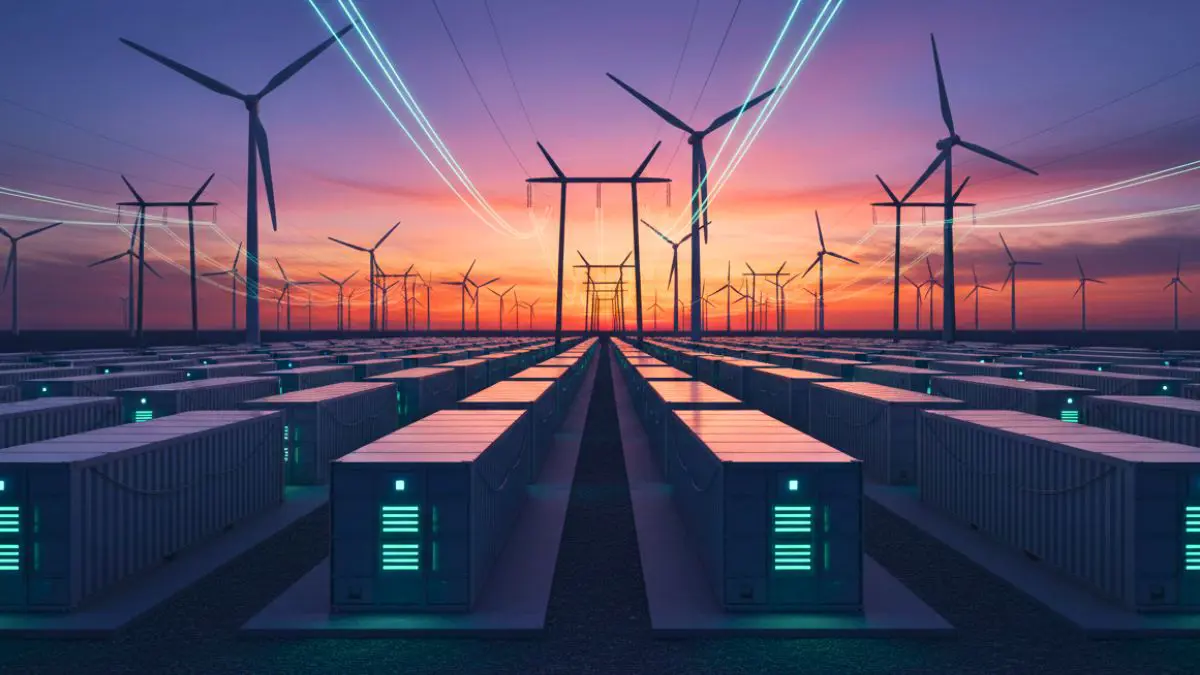
Battery Energy Storage Systems (BESS) are gaining traction globally due to rising renewable energy integration and grid stability requirements. Automakers, with their expertise in battery technology, are naturally positioned to participate in this adjacent market.
Tesla, through its energy division, has emerged as an early leader in grid-scale storage deployments, including Megapack installations. While this segment has shown strong growth, profitability comparisons with automotive operations vary depending on accounting methods and investment cycles.
Market dynamics still evolving
The narrative of a large-scale “battery glut” remains debated. While some regions have seen supply-demand mismatches, global EV adoption continues to grow, albeit at a moderated pace. Automakers are therefore pursuing a balanced approach, scaling EV production while exploring additional revenue streams such as energy storage and software.
Why this matters
- Automakers are diversifying into energy storage alongside EVs
- Battery expertise gives them an edge in the growing grid storage market
- The transition is gradual, not a full pivot away from EVs
FAQs
Q1. Has Ford launched a dedicated “Ford Energy” division?
No confirmed standalone division of that scale has been officially announced.
Q2. Is GM moving away from EVs?
No. GM continues to invest heavily in EVs while expanding into energy solutions.
Q3. Why are automakers interested in energy storage?
Because grid storage demand is rising with renewable energy and electrification trends

























