India’s move toward unlocking low-grade iron ore through beneficiation incentives
By Cygnus | 14 Apr 2026
Summary
India’s mining policy is increasingly focused on improving utilization of low-grade iron ore through beneficiation and reducing wasteful dumping of mineral rejects. Policy discussions and state-level practices have explored ways to make lower-grade ore commercially viable by adjusting royalty structures and encouraging pelletization, but there is no confirmed nationwide notification introducing a fixed tiered pricing floor for sub-45% Fe ore at the levels described. The broader intent remains to support steel capacity expansion and reduce dependence on high-grade hematite reserves through more efficient mineral processing and conservation-oriented mining practices.
NEW DELHI, April 14, 2026 — India’s iron ore sector is undergoing a structural shift driven by rising steel demand, depleting high-grade reserves, and a policy push toward more efficient mineral utilization. While recent discourse has focused on making low-grade iron ore economically viable, there is no officially confirmed nationwide rule introducing a standardized tiered pricing mechanism for sub-45% Fe ore as described in the proposal.
Reform push toward beneficiation-led mining
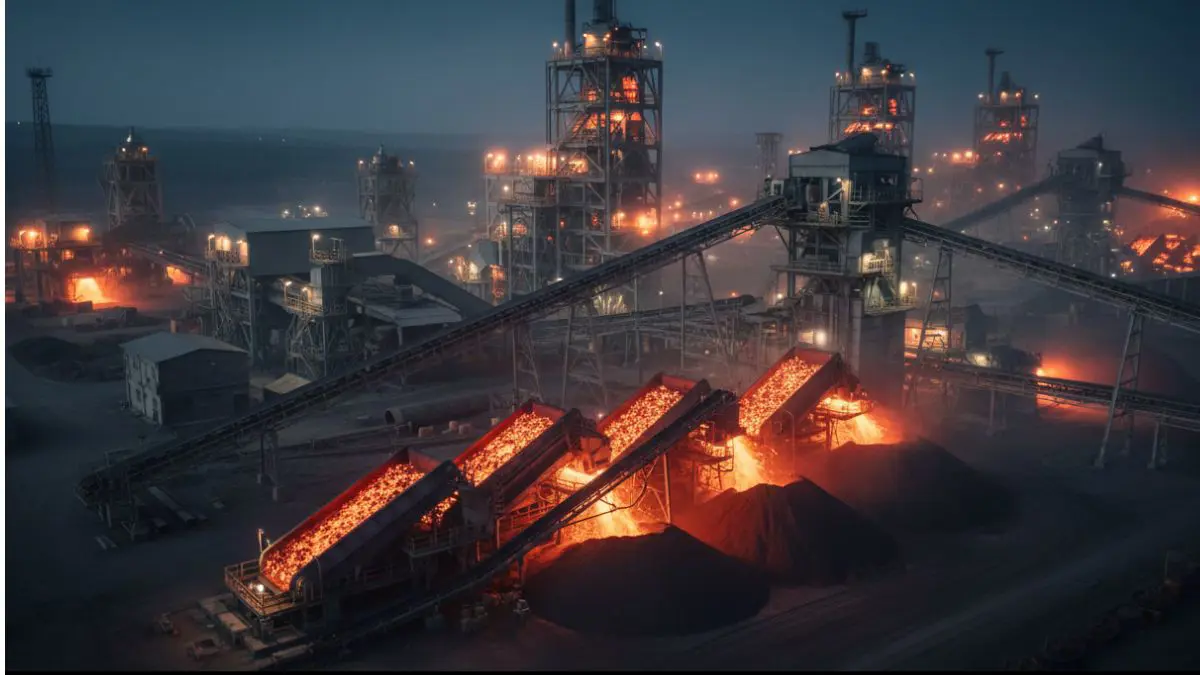
The central policy direction has instead emphasized beneficiation and pelletization as key tools to improve the usability of low-grade ores such as Banded Haematite Quartzite (BHQ) and Banded Haematite Jasper (BHJ), which are widely available in mineral-rich states including Odisha, Chhattisgarh, and Karnataka. These materials were historically treated as waste or low-value overburden due to processing costs and weak market linkage.
In recent years, regulatory and industry discussions have centered on aligning royalty structures and auction mechanisms in a way that does not discourage processing of lower-grade ore, while encouraging investments in beneficiation plants. The objective is to improve recovery rates from mined material rather than expand raw extraction alone.
Scientific mining and resource efficiency
Policy emphasis has also shifted toward “scientific mining,” where mineral extraction is coupled with improved waste management and better recovery of usable ore from run-of-mine material. This approach is designed to reduce overburden dumping and extend the life of existing high-grade deposits.
In parallel, state-level mining operations and private steel producers have increasingly invested in pelletization capacity, enabling low-grade iron ore to be upgraded into usable feedstock for blast furnaces and direct reduced iron (DRI) processes.
Strategic importance for the steel sector
India’s long-term steel capacity expansion plans require a stable and diversified raw material base. With high-grade ore deposits facing gradual depletion pressures, low-grade ore beneficiation is being positioned as a critical supply-side solution rather than a regulatory classification change.
Experts note that while pricing reforms remain under discussion in various forms, the more immediate transformation is occurring through industrial investment in beneficiation infrastructure rather than a formally notified national pricing floor for sub-threshold ore grades.
Why this matters
Raw material resilience: Greater beneficiation reduces dependence on high-grade iron ore and strengthens long-term steel supply security.
Industrial investment shift: The focus is moving toward pelletization and ore-upgrading infrastructure rather than raw extraction expansion.
Environmental efficiency: Improved recovery from mined ore reduces waste dumping and supports more scientific mining practices.
FAQs
Q1. What is considered low-grade iron ore in India?
Iron ore below roughly 45% iron content is generally considered low-grade and requires beneficiation before use in steelmaking.
Q2. Is low-grade ore officially priced at a fixed discount?
There is no confirmed nationwide rule setting fixed percentage pricing floors such as 50% or 75% of benchmark values.
Q3. How is low-grade ore used today?
It is increasingly processed through beneficiation and pelletization plants to make it suitable for steel production.

























