HSBC to Pay $300 Million to Settle French Tax Investigation
By Axel Miller | 10 Dec 2025
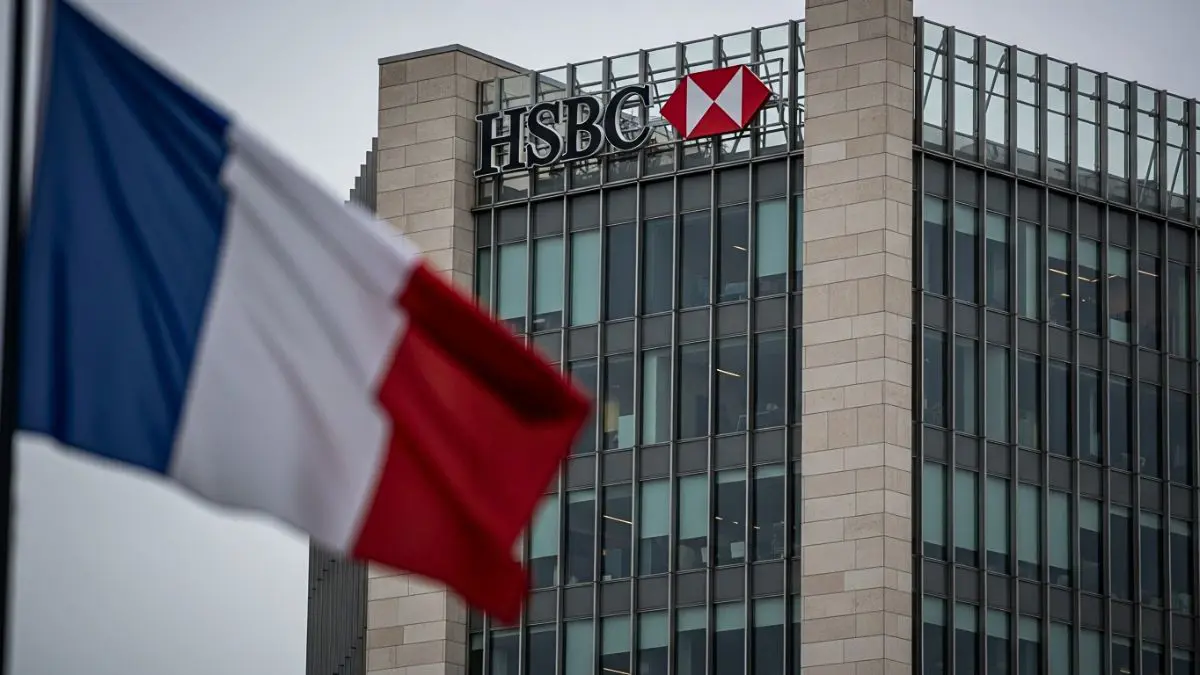
HSBC is set to pay approximately $300 million to resolve a French criminal investigation into its involvement in the “cum-cum” tax scheme, according to sources familiar with the matter. The London-based banking giant had already set aside provisions of $300 million in October to cover potential liabilities related to the probe. The investigation centers on “cum-cum” trades—a form of dividend arbitrage where foreign investors temporarily transfer shares of French companies to domestic, tax-exempt entities (such as local banks) around dividend payment dates to avoid paying withholding taxes.
Approaching a Resolution
The proposed settlement, known as a Convention Judiciaire d’Intérêt Public (CJIP), has been negotiated with the Parquet National Financier (PNF), France’s financial prosecutor. It is expected to be reviewed for final validation by a Paris judge in the coming weeks. The bank has declined to comment on the specific figures, while the prosecutor’s office has confirmed ongoing discussions but has not publicly ratified the final amount.
A Wider Crackdown
This development follows a similar case in September, when Credit Agricole’s investment banking division agreed to pay roughly €134 million (including fines and back taxes) to settle its own involvement in the dividend tax controversy. The French authorities have been aggressively pursuing major financial institutions since launching massive raids in Paris nearly two years ago, targeting banks suspected of facilitating tax avoidance strategies that cost the French state billions in lost revenue.
Summary
HSBC’s planned $300 million settlement signals the likely conclusion of its exposure to the French “cum-cum” tax investigation. The move highlights ongoing regulatory scrutiny of complex dividend trading strategies in Europe, emphasizing the significant financial and reputational risks banks face in cross-border tax compliance.
FAQs
Q1: What is HSBC paying $300 million for?
HSBC is set to pay approximately $300 million to settle a French criminal investigation into its alleged involvement in the “cum-cum” tax scheme, a practice used to avoid dividend withholding taxes.
Q2: What are “cum-cum” trades?
Cum-cum trades involve foreign investors temporarily transferring shares of French companies to domestic, tax-exempt entities (like French banks) just before a dividend is paid. This allows the foreign investor to avoid the tax that would normally apply to the dividend.
Q3: Who is overseeing the investigation?
The investigation is led by the Parquet National Financier (PNF), France’s specialized financial prosecutor responsible for prosecuting complex economic crimes.
Q4: Has HSBC confirmed the deal?
HSBC has declined to comment on the ongoing legal process. However, the bank signaled potential liabilities by setting aside provisions of approximately $300 million in its October financial updates.
Q5: When will the settlement be finalized?
The agreement, known as a CJIP, must still be validated by a judge in a public hearing in Paris, which is expected to take place in the coming weeks.
Q6: Has any other bank faced similar action in France?
Yes. In September, Credit Agricole agreed to pay a combined €134 million to settle similar allegations. Other major banks, including BNP Paribas and Société Générale, have also faced scrutiny under the same widespread investigation.
Q7: Why is this case significant?
It represents one of the largest settlements in France’s crackdown on “dividend arbitrage,” sending a warning to global banks that aggressive tax optimization strategies will face severe regulatory penalties.
Q8: How does this impact HSBC’s financials?
Since HSBC already provisioned (set aside money) for this settlement in October, the payment is unlikely to shock the bank’s current quarter earnings, as the cost has already been accounted for.
Q9: What lessons does this case offer to the banking sector?
It underscores the need for strict compliance with international tax laws. European regulators are increasingly using data analytics and cross-border cooperation to identify and penalize tax avoidance schemes that were once considered gray areas.

























