Rajasthan’s renewable energy pipeline faces grid bottlenecks amid transmission delays
By Cygnus | 13 Apr 2026
Summary
- Rajasthan is witnessing a growing mismatch between renewable energy project proposals and available transmission infrastructure, with a significant portion awaiting connectivity clearance from Central Transmission Utility of India Limited.
- A recent ruling by the Central Electricity Regulatory Commission has provided limited relief to developers by allowing project withdrawal under specific conditions linked to transmission delays.
- Environmental compliance requirements, including protections for the Great Indian Bustard, are adding complexity and cost to transmission planning.
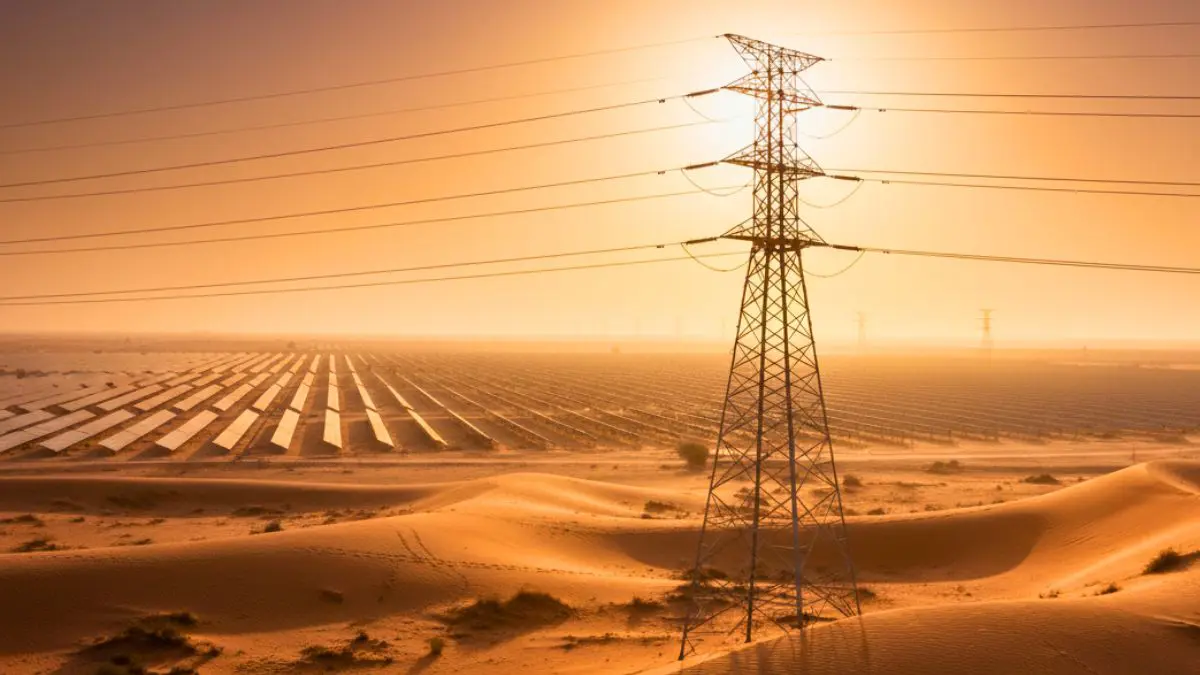
NEW DELHI, April 13, 2026 — India’s push toward large-scale renewable energy deployment is encountering infrastructure constraints in Rajasthan, where transmission planning is struggling to keep pace with rapid project development.
Growing capacity-transmission gap
Rajasthan remains one of India’s most attractive renewable energy hubs due to its high solar irradiation and land availability. However, industry data indicates that project applications for grid connectivity significantly exceed the currently planned transmission capacity.
The gap has resulted in a sizeable pipeline of solar and wind projects awaiting evacuation infrastructure, particularly in districts such as Bikaner, Jaisalmer, and Jodhpur. Developers face uncertainty over timelines for grid access, delaying financial closure and execution.
Regulatory relieffor developers
In a recent order, the Central Electricity Regulatory Commission allowed certain developers to withdraw connectivity applications without forfeiting bank guarantees where delays were attributable to transmission constraints.
While the ruling is case-specific, it signals a shift toward balancing risks between developers and transmission planners, rather than placing the entire burden on project sponsors.
Environmental and cost pressures
Transmission expansion in Rajasthan is further complicated by conservation measures related to the Great Indian Bustard. Court-mandated safeguards in designated habitats have led to requirements such as underground cabling or rerouting of overhead lines in sensitive zones.
These measures, while critical for biodiversity protection, have increased project complexity and costs, slowing the rollout of new transmission corridors under India’s Green Energy Corridor initiatives.
Why this matters
- Execution Risk: Delays in transmission infrastructure can stall otherwise viable renewable energy projects.
- Investor Sentiment: Greater regulatory flexibility may improve confidence, but persistent bottlenecks could redirect capital to other states.
- Energy Transition Pace: Grid readiness is becoming a key limiting factor in achieving India’s long-term renewable energy targets.
FAQs
Q1. Why is Rajasthan central to India’s renewable energy expansion?
The state offers some of the highest solar irradiation levels in India, along with large tracts of available land for utility-scale projects.
Q2. What does the CERC ruling mean for developers?
It allows developers, in specific cases, to exit projects without financial penalties if delays are caused by transmission infrastructure constraints.
Q3. How do environmental rules affect transmission projects?
Protection measures for sensitive species like the Great Indian Bustard can require redesigning transmission lines, increasing costs and timelines.

























