Rising oil costs and regulation push fashion industry to rethink synthetic fiber dependence
By Axel Miller | 28 Apr 2026
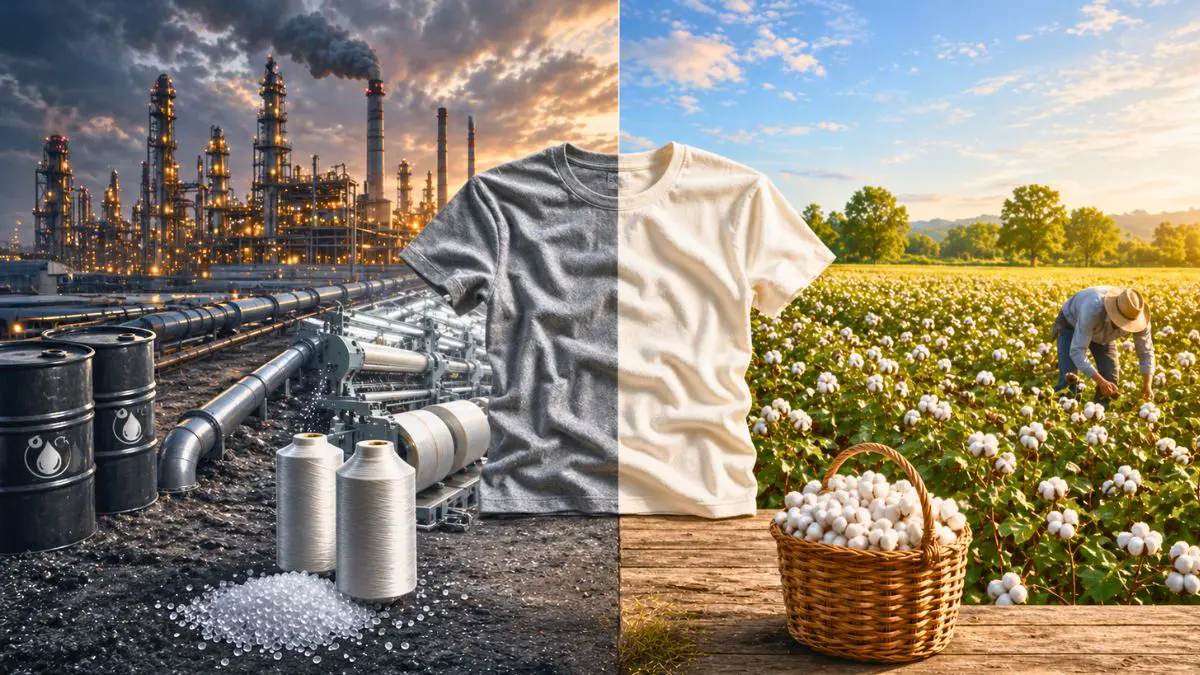
Summary
- Around two-thirds of global textile production relies on synthetic fibers such as polyester, linking the fashion industry closely to petrochemical markets.
- Volatility in energy and feedstock prices is increasing input costs for synthetic materials, narrowing the price gap with natural fibers.
- European sustainability rules, including digital product tracking systems, are set to increase transparency around material sourcing and environmental impact.
LONDON, April 28, 2026 — The global fashion industry is facing renewed pressure to reassess its dependence on synthetic fibers as energy market volatility and tightening regulations reshape cost structures and supply chains.
Synthetic materials such as polyester and nylon dominate global textile production, accounting for a significant share of total fiber use. These materials are derived from petrochemicals, making their cost base sensitive to fluctuations in oil and gas markets.
Cost dynamics and material shifts
Rising energy and feedstock costs have increased production expenses for synthetic fibers, prompting some manufacturers and brands to explore alternatives.
While synthetics remain cost-competitive at scale, the pricing gap between fossil-fuel-based materials and natural fibers such as cotton is becoming more variable, particularly during periods of energy market instability.
Emerging alternatives and innovation
Brands and suppliers are experimenting with lower-impact materials, including recycled fibers, bio-based textiles, and regenerative agriculture models.
Projects exploring integrated farming approaches—such as combining cotton cultivation with other crops—aim to improve land-use efficiency and environmental outcomes, though these models remain limited in scale.
Regulatory momentum in Europe
The European Union is advancing sustainability regulations under frameworks such as the Ecodesign for Sustainable Products Regulation (ESPR).
A key component is the planned rollout of Digital Product Passports, which will provide detailed information on product composition, origin, and environmental footprint. Implementation timelines will vary by product category over the coming years.
Why this matters
- Supply chain exposure: Heavy reliance on petrochemical inputs links fashion directly to global energy price cycles.
- Cost uncertainty: Volatility in oil markets can impact margins, especially for fast-fashion and mid-market brands.
- Transparency shift: New regulations are pushing the industry toward greater disclosure of material sourcing and lifecycle impact.
FAQs
Q1. Are most clothes made from oil-based materials?
A large share—primarily polyester and other synthetics—is derived from petrochemicals, though natural fibers still play a significant role.
Q2. Are alternatives ready to replace synthetics?
Not at scale yet. While innovation is growing, synthetic fibers remain dominant due to cost and production capacity.
Q3. What is a Digital Product Passport?
It is a digital system that provides detailed information about a product’s materials, origin, and environmental footprint, aimed at improving transparency.

























