Solar surge vs. metal scarcity: how geopolitical tensions are reshaping the energy transition
By Cygnus | 24 Apr 2026
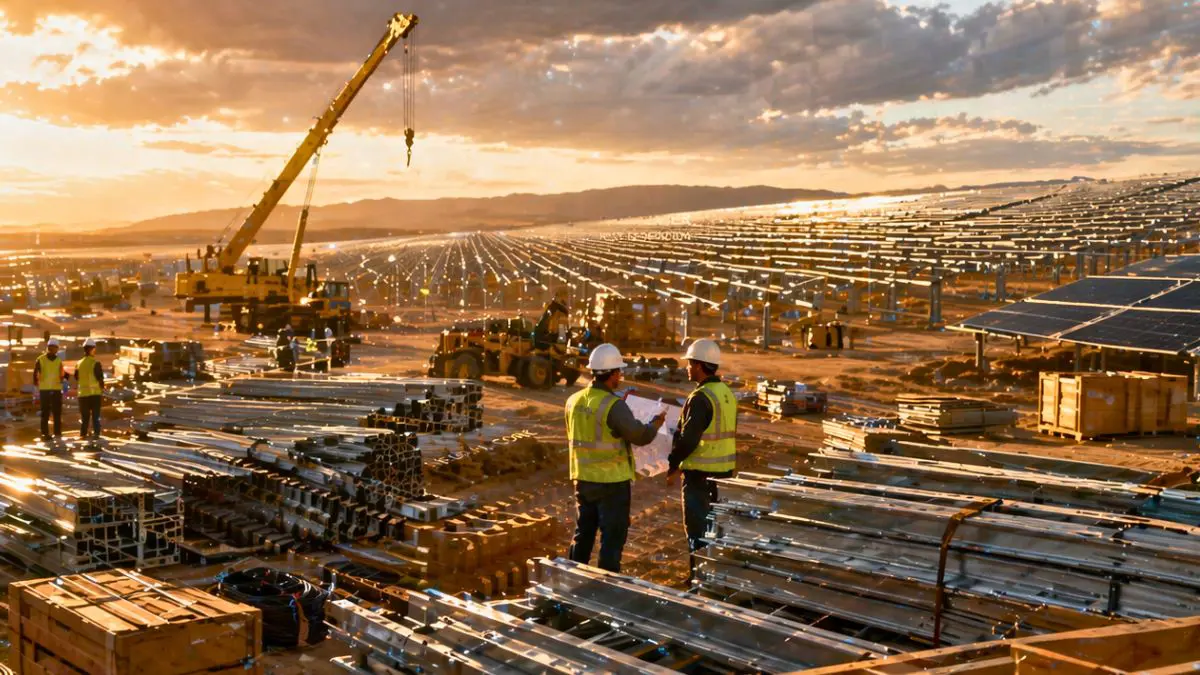
Summary
- Global solar module prices are stabilizing or rising after years of decline, partly due to policy changes in China and supply chain pressures.
- Disruptions in energy markets are tightening aluminum supply, a key material for solar infrastructure like frames and mounting systems.
- Climate policy discussions and legal frameworks are increasingly shaping the pace of fossil fuel phase-down efforts globally.
LONDON, April 24, 2026 — Geopolitical tensions and shifting industrial policies are beginning to reshape the economics of the global energy transition. While higher fossil fuel prices are strengthening the case for renewables, supply chain constraints and rising input costs are complicating the pace of solar deployment.
The end of ultra-cheap solar?
After years of steep declines, solar module prices are no longer falling at the same pace. One contributing factor is policy adjustments in China—the world’s largest solar manufacturer and exporter—which has gradually reduced export incentives and tightened industry regulations.
At the same time, higher shipping costs, insurance premiums, and raw material prices have added to the cost base. Analysts note that while solar remains cost-competitive, the era of continuously falling prices may be pausing.
The aluminum bottleneck
Aluminum is a critical component in solar panel frames and mounting systems. Energy-intensive to produce, its supply is highly sensitive to disruptions in power markets and geopolitical instability.
Recent volatility in energy markets has led to tighter aluminum supply and price fluctuations. Regions dependent on imports are seeing longer project timelines, with some developers reporting delays due to material shortages.
This highlights a growing reality: the energy transition depends not just on clean technology, but also on stable access to industrial metals.
Climate policy gains traction
Alongside market forces, legal and policy frameworks are playing a larger role in shaping the transition. Discussions influenced by advisory opinions from bodies like the International Court of Justice are increasingly referenced in climate negotiations and litigation.
While such opinions are not directly binding, they are being used to strengthen arguments for stronger climate action and accountability. Meanwhile, international forums and regional alliances continue to push for clearer timelines on reducing fossil fuel dependence.
Why this matters
- Energy security shift: High fossil fuel volatility reinforces the strategic importance of domestic renewable capacity.
- Supply chain reality: Clean energy deployment is increasingly constrained by metals like aluminum, copper, and lithium—not just technology.
- Policy influence: Legal interpretations and international pressure are accelerating climate commitments, even if enforcement varies by country.
FAQs
Q1. Are solar prices rising globally?
Prices are not surging universally, but the long-term downward trend has slowed due to higher input and logistics costs.
Q2. Why is aluminum so important for solar?
Aluminum is widely used in panel frames and mounting systems because it is lightweight, durable, and corrosion-resistant.
Q3. Are countries legally required to phase out fossil fuels?
No single global law mandates this. However, legal opinions and climate agreements are increasing pressure on governments to act.

























