Tankers exit Strait of Hormuz with 6 million barrels of crude oil
By Axel Miller | 20 May 2026
Summary
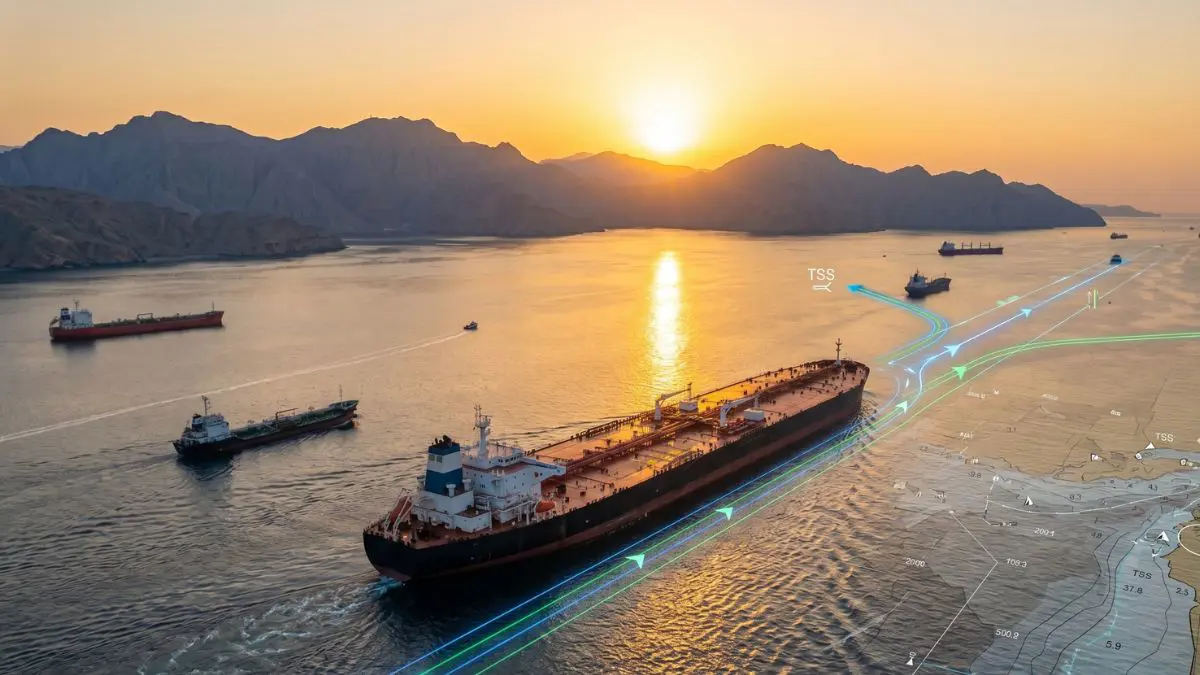
- Limited transit resumes: Three Very Large Crude Carriers (VLCCs) carrying roughly 6 million barrels of crude oil have exited the Strait of Hormuz after weeks of disruption linked to regional tensions.
- Asian buyers prioritized: The cargoes are largely destined for refiners in China and South Korea, highlighting Asia’s dependence on Gulf energy flows through the strategic waterway.
- Shipping risks remain elevated: Despite the renewed tanker movement, maritime security concerns and elevated insurance costs continue to weigh on global oil shipping markets.
SINGAPORE, May 20, 2026 — Oil tankers carrying around 6 million barrels of crude oil have successfully exited the Strait of Hormuz, offering a modest sign of stabilization in one of the world’s most important energy transit routes after weeks of heightened geopolitical tensions.
Shipping data from tanker-tracking platforms including LSEG and Kpler showed that several Very Large Crude Carriers (VLCCs) resumed movement through the narrow Gulf chokepoint toward Asian destinations, primarily China and South Korea.
Tanker traffic begins moving again
Among the vessels transiting the strait was the South Korean-linked tanker Universal Winner, carrying approximately 2 million barrels of Kuwaiti crude oil and heading toward Ulsan. Additional tankers, including the Yuan Gui Yang and Ocean Lily, also cleared the waterway after extended delays in Gulf anchorage zones.
The recent movements suggest that portions of Gulf oil exports are gradually resuming after severe shipping disruptions earlier this year. However, shipping analysts cautioned that tanker flows remain tightly managed and far below normal operating levels.
Energy traders noted that shipping activity appears concentrated around carefully coordinated commercial routes designed to minimize operational risks in the region.
Maritime security concerns persist
Despite the resumption of some tanker traffic, shipping risks across the Gulf remain elevated.
Maritime intelligence firms continue to monitor vessels operating with limited public tracking visibility, including tankers temporarily disabling Automatic Identification System (AIS) transponders — a practice commonly referred to as “dark sailing.”
Industry analysts said some operators may still be attempting to avoid heightened insurance costs or commercial scrutiny linked to regional tensions and sanctions compliance.
Marine insurers have maintained sharply elevated war-risk premiums for vessels entering Gulf waters, increasing transportation costs for crude shipments moving through the Strait of Hormuz.
Energy markets remain cautious
The Strait of Hormuz remains one of the world’s most strategically important maritime passages, handling a substantial share of global crude oil exports, particularly from Gulf producers including Saudi Arabia, Kuwait, Iraq and the United Arab Emirates.
Asian refiners have been especially sensitive to disruptions because many facilities rely heavily on Middle Eastern crude imports.
Although the latest tanker movements have eased immediate fears of a complete export freeze, analysts said markets remain cautious given the fragile geopolitical environment and the continued risk of renewed disruption.
Why this matters
- Critical oil supply route: The Strait of Hormuz is one of the world’s most important oil chokepoints, carrying a major share of global crude exports and supplying key Asian economies.
- Shipping costs remain elevated: Even as tanker movements resume, high insurance premiums and security risks continue to increase transportation costs for energy exporters and refiners.
- Asian energy demand remains vulnerable: China, South Korea, Japan and India remain heavily dependent on Gulf crude supplies, making any disruption in Hormuz immediately significant for regional energy markets.
FAQs
Q1. Is the Strait of Hormuz fully operating again?
No. Some tanker traffic has resumed, but shipping activity remains below normal levels and continues under heightened security conditions.
Q2. What is “dark sailing”?
“Dark sailing” refers to vessels switching off AIS tracking systems, making their movements harder to monitor publicly. This practice can raise regulatory and insurance concerns.
Q3. Why is the Strait of Hormuz important?
The waterway connects Gulf oil producers to global markets and handles a major portion of internationally traded crude oil shipments.
Q4. Will this lower global oil prices?
The tanker movements may ease short-term supply concerns, but broader oil prices will continue to depend on geopolitical developments and shipping security conditions.