Abe's coalition wins majority in Japan's upper house
22 Jul 2013
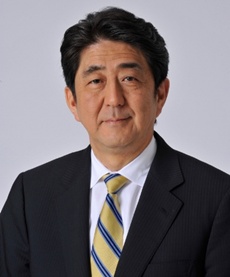
In a decisive victory, Japan's ruling coalition led by prime minister Shinzo Abe has gained control over the Diet's upper house by securing a sweeping majority in yesterday's elections.
 The coalition won 76 seats out of the 121 seats which were contested in the 242-seat upper house. Abe's Liberal Democratic Party (LDP) won 65 seats while partner New Komeito got 11 seats. With the 59 seats that the coalition already holds in the upper house, it now has 135 seats, comfortably above the 129 required for the control over all the upper house committees.
The main opposition Democratic Party of Japan (DOJ) won only 17 seats, less than half of the 44 seats it held earlier.
The election victory, although anticipated, will give Abe control of both the houses of the diet for the first time in six years, while the DPJ's performance was its worst since the party's inception in 1998.
It is seen as a major boost to Abe's economic liberalisation policies that have been aimed at a sustainable economic recovery and pulling the country out of deflation. With the public endorsement of his policies, Abe has now got the mandate to continue with his growth initiatives for the next six years.
"We have received overwhelming support from the people for our policies of improving the economy and solid and stable politics," Abe told reporters after Sunday's vote.
He said that the win will help him to form a stable cabinet and he will make sure Japanese people can feel the benefits of economic recovery and political stability.
Abe, who has been in power for the past seven months, has injected trillions of yens into the economy and eased monitory policies to overcome the stagnation and stimulate growth in the world's third largest economy.
The country's gross domestic product (GDP) grew at an annual rate of 3.5 per cent in the first quarter. The inflation has inched up to around -0.3 per cent in May from -0.9 per cent in March. The stock market has risen almost 50 per cent since the LDP coalition came into power in mid-December.
Some observers believe that Abe's win could set off efforts to restart the country's nuclear reactors that were shut down following the Fukushima catastrophe. The ruling coalition is in favour of starting reactors that meet the new safety standards, while the opposition has called for phasing out nuclear power.
Currently, of the 50 nuclear reactors in Japan, only two belonging to Kansai Electric Power Co are in operation.
Neighbours China and South Korea are watching the election results with a mix of optimism and caution.
The outcome set the stage for a stable, long-term rule by Abe and his LDP, China's state-run news agency Xinhua said of the election.
A possible rightward tilt would worry China while South Korea is concerned about a harder stand by the Japanese government on historical events.
Abe's policies that have resulted in significant weakening of the Japanese yen against the US dollar in recent months is weighing on Korean exports due to strengthening of the Korean won.