Tata Sons steps up oversight of Air India amid CEO transition and losses
By Axel Miller | 24 Jun 2026
Summary
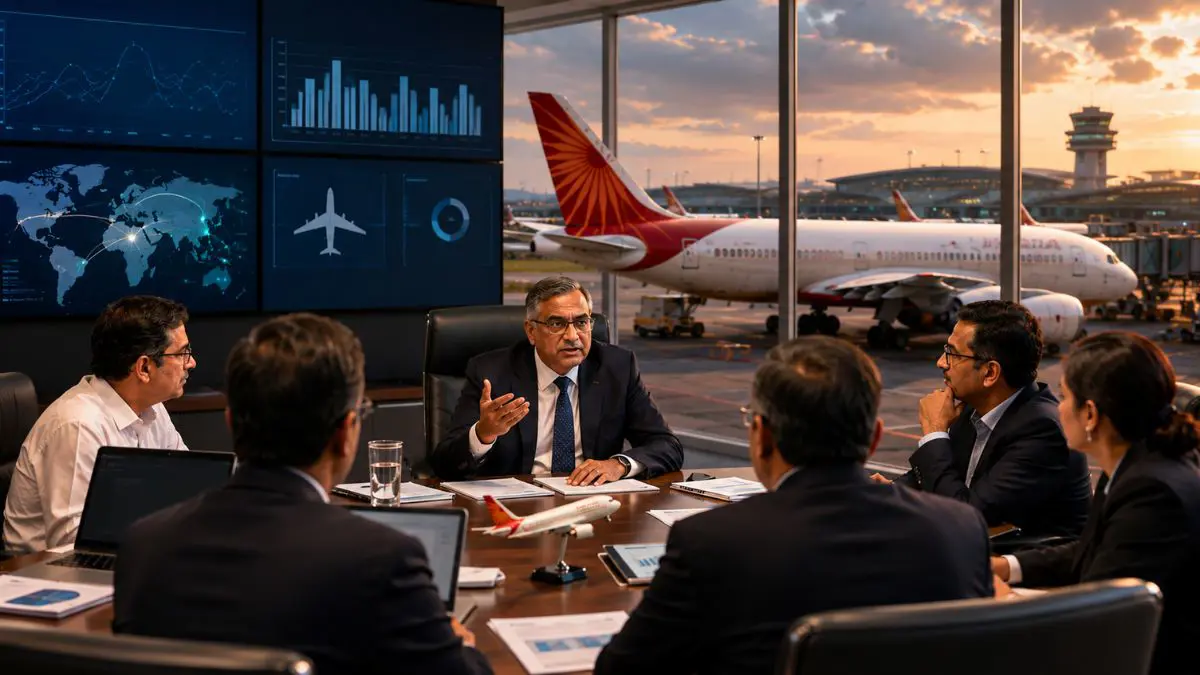
Tata Sons Chairman N. Chandrasekaran is taking a more active role in overseeing Air India’s operations as the airline navigates a leadership transition and ongoing financial challenges. The move comes following the departure of CEO Campbell Wilson and amid efforts to accelerate the carrier’s turnaround after its merger with Vistara.
MUMBAI, June 24, 2026 — Tata Sons has increased its oversight of Air India as the airline navigates a key leadership transition and continues its multi-year transformation program following its return to the Tata Group.
The heightened involvement comes after the departure of Air India Chief Executive Officer and Managing Director Campbell Wilson, creating a leadership gap at a critical stage of the airline’s integration and modernization efforts.
To support the transition, Air India has brought in former Civil Aviation Secretary and former Air India Chairman and Managing Director Pradeep Singh Kharola as Executive Advisor. Kharola is expected to assist the airline’s leadership team during the search for a new chief executive.
Leadership transition comes during a crucial turnaround phase
Air India has been undergoing one of the most ambitious transformation programs in global aviation since its acquisition by Tata Group in 2022.
The airline has integrated operations with former full-service carrier Vistara, launched a major fleet renewal strategy, and placed record aircraft orders aimed at expanding both domestic and international operations.
At the same time, Air India continues to face operational and financial challenges associated with fleet upgrades, network expansion, supply-chain constraints and integration costs.
Industry analysts say strong oversight from Tata Sons is likely to help maintain execution momentum while the airline searches for a permanent CEO.
Financial pressures remain a key focus
Air India’s financial performance has come under increased scrutiny after Singapore Airlines, which owns a 25.1% stake in the merged Air India entity, reported a significant share of losses associated with its investment.
The carrier has also faced industry-wide challenges including higher operating costs, aircraft maintenance delays, supply-chain disruptions and longer international flight routings caused by geopolitical tensions and airspace restrictions.
Several airlines operating between India and Europe have been affected by changing airspace conditions in recent years, increasing fuel consumption and operational expenses.
The airline continues to invest heavily in fleet modernization, cabin retrofits and service improvements as part of its long-term transformation strategy.
Focus shifts to operational efficiency
With leadership changes underway, Air India is expected to place greater emphasis on operational efficiency, cost management and service reliability.
The airline remains central to Tata Group’s aviation strategy and is expected to continue expanding its international presence while strengthening profitability over the longer term.
Analysts believe the next phase of Air India’s transformation will focus on integrating systems, improving customer experience, enhancing fleet utilization and extracting synergies from the Vistara merger.
Why this matters
- Leadership continuity: Active involvement from Tata Sons helps ensure stability during Air India’s CEO transition.
- Transformation execution: Air India remains in the middle of a large-scale modernization program involving fleet upgrades and network expansion.
- Financial discipline: The airline faces pressure to improve profitability while continuing to invest in growth.
- Strategic importance: Air India is a key pillar of Tata Group’s aviation ambitions and India’s expanding aviation market.
FAQs
Why has Tata Sons increased its oversight of Air India?
The move comes as Air India navigates a leadership transition and continues executing its long-term transformation strategy following its acquisition by Tata Group.
Who is leading Air India during the transition?
Former Civil Aviation Secretary and former Air India CMD Pradeep Singh Kharola has been appointed Executive Advisor to support the airline during the transition period.
Why is Air India undergoing restructuring?
The airline is modernizing its fleet, integrating operations following the Vistara merger, improving service standards and seeking long-term profitability.
How has Singapore Airlines been affected?
Singapore Airlines owns a 25.1% stake in the merged Air India entity and has reported losses associated with its investment in the airline.
What are Air India’s key priorities now?
The airline is focused on operational efficiency, fleet modernization, customer experience improvements and achieving sustainable profitability.

























