India-bound oil tanker rates surge as Gulf shipping capacity tightens
By Cygnus | 24 Jun 2026
Summary
Freight rates for crude oil shipments from the Persian Gulf to India have risen sharply as tanker availability remains constrained following the reopening of the Strait of Hormuz. Strong demand from Asian refiners, combined with vessel shortages and lingering security concerns, is increasing transportation costs and adding pressure to energy import bills.
MUMBAI, June 24, 2026 — Freight rates for crude oil shipments from the Persian Gulf to India have climbed significantly as tanker availability remains tight following the recent easing of tensions around the Strait of Hormuz.
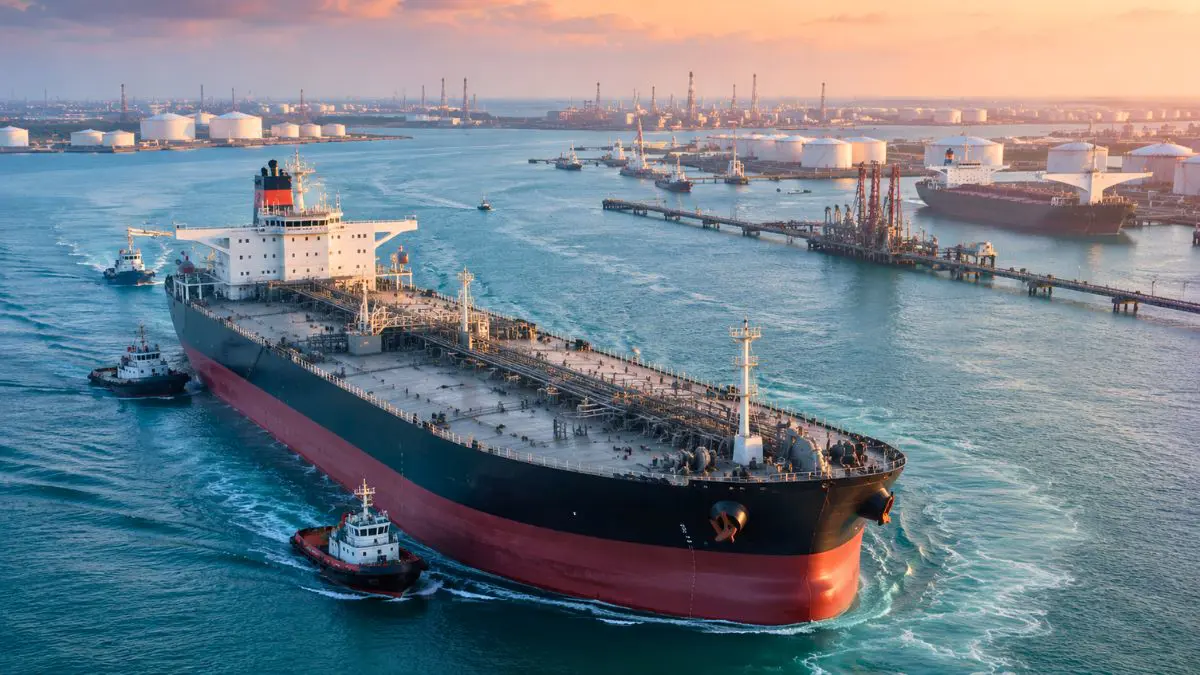
The increase comes as refiners across Asia move to secure crude supplies after shipping activity gradually resumed through one of the world’s most important energy corridors. Market participants report that demand for Very Large Crude Carriers (VLCCs) has surged while available vessel capacity remains limited.
According to shipping industry data, tanker hire rates in the Gulf region have nearly doubled over the past week as Middle Eastern producers increase exports and buyers rush to secure transportation capacity. Industry estimates indicate that a large number of vessels remain tied up in the region, limiting the availability of ships for new cargoes.
Indian refiners face higher transportation costs
India’s refiners are among the major buyers seeking vessels for crude imports from the Gulf.
Earlier this month, Indian Oil Corporation (IOC) issued tenders to charter crude and LPG carriers from ports located within the Strait of Hormuz, reflecting efforts to restore supply flows after weeks of disruption. Reuters reported that IOC sought to charter a VLCC capable of transporting up to two million barrels of crude oil to India.
However, securing tanker capacity has become increasingly expensive. Shipping sources previously indicated that both IOC and China’s PetroChina faced difficulties obtaining vessels for Iraqi crude cargoes because freight rates had risen sharply amid security concerns and limited vessel availability.
The situation has increased the delivered cost of crude oil for Asian buyers, even as benchmark oil prices stabilize following the reopening of shipping routes.
Strait of Hormuz recovery remains gradual
Although maritime traffic through the Strait of Hormuz has resumed, shipping activity remains below normal levels.
Industry estimates suggest that vessel movements through the waterway remain significantly lower than pre-conflict averages, while dozens of tankers carrying crude cargoes are still waiting to exit the Gulf. This has contributed to vessel shortages and elevated freight costs.
Market participants say shipowners continue to factor operational risks, insurance considerations and scheduling disruptions into charter negotiations, keeping rates elevated despite improving regional security conditions.
The shortage is also being amplified by a sudden increase in export activity from Middle Eastern producers, which are seeking to clear delayed cargoes and meet renewed demand from Asian customers.
Higher freight costs add pressure to import bills
While freight expenses account for only a portion of the total cost of imported crude, sustained increases in tanker rates can significantly affect refinery economics.
For major crude-importing nations such as India, higher shipping costs may increase the landed cost of oil, particularly if freight markets remain tight for an extended period.
Industry analysts expect tanker rates to remain volatile in the near term as vessel availability gradually improves and shipping traffic through the Strait of Hormuz normalizes.
Why this matters
- Higher import costs: Rising tanker rates increase the delivered cost of crude oil for Indian refiners and other Asian buyers.
- Supply chain constraints: Limited vessel availability demonstrates how quickly shipping disruptions can affect global energy markets.
- Hormuz remains critical: The Strait of Hormuz continues to handle a significant share of global oil trade, making any disruption highly consequential.
- Freight market volatility: Tanker rates are likely to remain elevated until more vessels return to Gulf trading routes and export flows stabilize.
FAQs
Q1: Why are India-bound tanker rates rising?
Rates have increased because refiners are competing for a limited number of available vessels as crude exports from the Persian Gulf recover following the reopening of the Strait of Hormuz.
Q2: Are Indian refiners affected?
Yes. Indian refiners, including IOC, have been seeking vessels to transport crude and LPG cargoes from Gulf producers and have faced higher freight costs.
Q3: What is a VLCC?
A Very Large Crude Carrier (VLCC) is a supertanker capable of transporting approximately two million barrels of crude oil.
Q4: Why is the Strait of Hormuz important?
The Strait of Hormuz is one of the world’s most important oil transit routes, connecting Gulf producers to major energy-consuming markets in Asia and beyond.
Q5: Could higher freight rates affect fuel prices?
Higher transportation costs can increase the landed cost of crude oil for refiners. However, retail fuel prices depend on multiple factors, including crude prices, taxes, refining margins and government policy.

























