Suez Canal revenues rise as tanker traffic rebounds amid shipping route shifts
By Axel Miller | 10 Jun 2026
Summary
Revenue from Egypt’s Suez Canal rose sharply in April as oil tanker traffic increased and overall vessel transit volumes continued to recover. The improvement marks the canal’s strongest monthly performance in more than two years, although traffic remains below pre-Red Sea crisis levels as global shipping routes continue to adjust to regional security challenges.
CAIRO, June 10, 2026 — Traffic through Egypt’s Suez Canal increased significantly in April, driven by a surge in oil tanker movements and a gradual recovery in global shipping activity through the Red Sea corridor.
According to data released by Egypt’s Central Agency for Public Mobilization and Statistics (CAPMAS), 1,182 vessels transited the canal during April, up 13.9% from the same month a year earlier. Oil tanker traffic recorded particularly strong growth, with 529 tankers passing through the waterway, representing a 27.8% year-on-year increase.
The increase in vessel movements boosted canal revenues to approximately $425 million during the month, the highest monthly level recorded since the disruption of Red Sea shipping routes began in late 2023. Despite the improvement, revenues and vessel volumes remain below levels seen before the regional shipping crisis.
Tanker traffic drives recovery
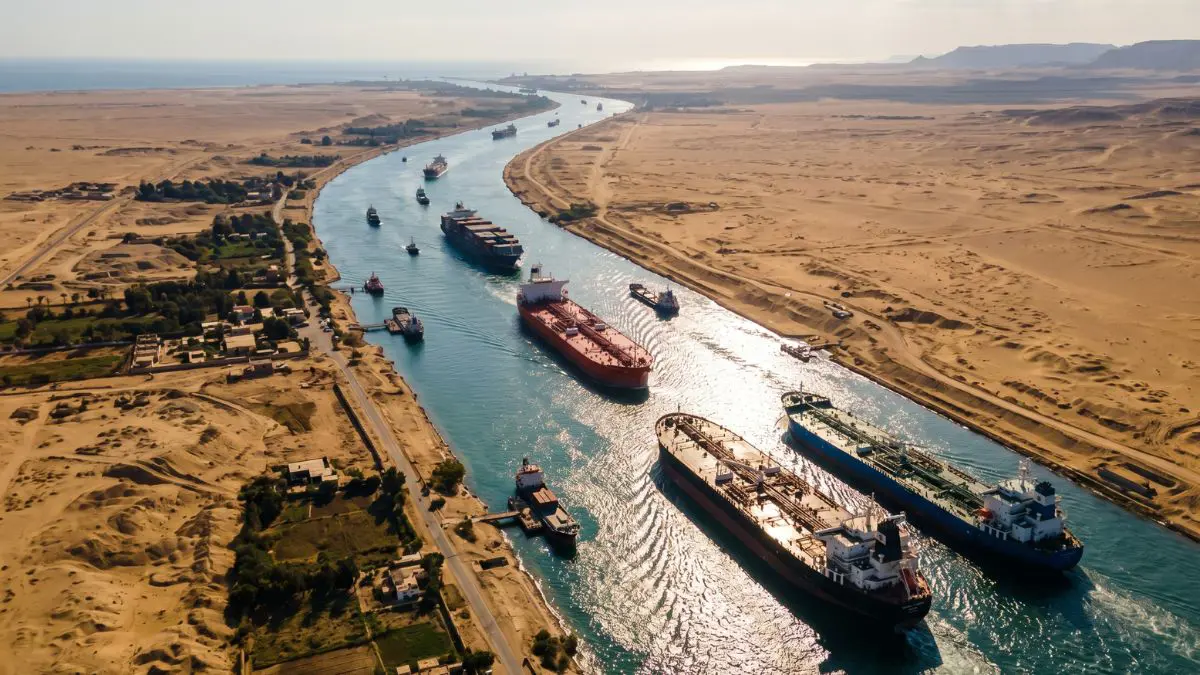
The strongest contributor to the April rebound was the increase in oil tanker transits. Rising energy shipments and evolving global trade patterns have helped support demand for the Suez Canal route, one of the world’s most important maritime corridors connecting Asia and Europe.
The canal handled a total net tonnage of 53.6 million tonnes during April, an increase of 31.4% compared with the same period last year. Tanker traffic continues to outperform other shipping segments as energy exporters adapt their logistics networks amid ongoing geopolitical uncertainty in the Middle East.
Industry analysts note that while some shipping lines have gradually returned to Red Sea routes, many operators continue to closely monitor security conditions before fully restoring pre-crisis schedules.
Recovery remains below pre-crisis levels
Although April’s figures indicate a continued recovery, Suez Canal traffic remains well below historical norms.
Shipping volumes are still significantly lower than levels recorded before attacks on commercial vessels in the Red Sea disrupted global trade routes in late 2023. According to shipping industry data, overall canal traffic remains roughly half of pre-crisis volumes, with non-tanker vessels experiencing the largest declines.
The Suez Canal remains a crucial source of foreign currency for Egypt, alongside tourism, remittances and exports. Any sustained recovery in shipping activity would provide additional support to the country’s external finances.
Egypt looks to build on improving traffic trends
The Suez Canal Authority has been working to encourage shipping companies to return to the route through operational improvements and targeted incentives.
Earlier this year, Suez Canal Authority Chairman Osama Rabie said traffic and revenues had begun recovering as regional conditions improved, with vessel numbers and cargo volumes rising steadily compared with 2025 levels.
While uncertainty remains regarding the long-term pace of recovery, April’s performance suggests that shipping activity through the canal continues to stabilize after a prolonged period of disruption.
Why this matters
- Revenue recovery: Canal revenue reached approximately $425 million in April, marking one of the strongest monthly performances since the Red Sea shipping crisis began.
- Tanker-led growth: Oil tanker transits increased 27.8% year over year, significantly outpacing overall vessel traffic growth.
- Foreign currency support: Higher canal revenues provide an important source of hard currency for Egypt’s economy.
- Recovery still incomplete: Despite recent gains, vessel traffic remains below pre-2024 levels, highlighting the ongoing impact of regional security concerns on global shipping routes.
FAQs
Q1: How many ships transited the Suez Canal in April 2026?
A total of 1,182 vessels passed through the canal in April, representing a 13.9% increase from April 2025.
Q2: How much revenue did the canal generate?
The Suez Canal generated approximately $425 million in revenue during April 2026.
Q3: What drove the increase in traffic?
The recovery was led by oil tanker traffic, which rose 27.8% year over year to 529 vessels.
Q5: Has the canal fully recovered from the Red Sea shipping crisis?
No. While traffic is improving, overall vessel volumes remain below pre-crisis levels.
Q6: Why is the Suez Canal important to Egypt?
The canal is one of Egypt’s largest sources of foreign currency earnings and plays a critical role in global trade between Asia and Europe.