India, EU to harmonise electric mobility standards
26 Feb 2025
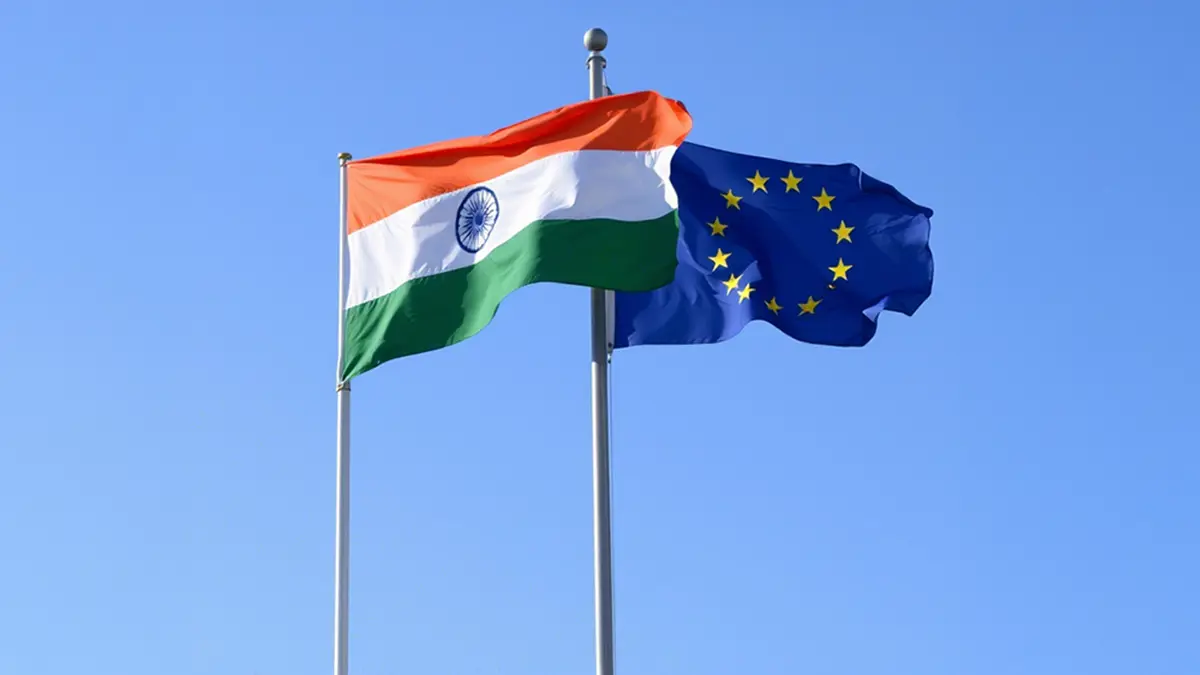
India and the European Union (EU) are expanding and deepening their research partnership in the area of sustainable mobility, aimed at enhancing security and people-to-people contacts.
The two sides on Monday held a joint workshop on standardising electric vehicle charging technology, as part of a larger mission of harmonising clean technology solutions for sustainable mobility.
The first India-EU Workshop on Electric Vehicles Charging Technology, held in Pune, on Monday, addressed key policy and technical aspects of EV charging, covering all sizes and classes of electric vehicles, with a focus on standardisation and strategic cooperation.
The workshop addressed issues like EV charging standards in India and the EU, infrastructure and communication requirements.
Experts participating in the workshop shared insights on the future strategic directions in India and the EU in sustainable mobility, including potential synergies for interoperability, leading to economies of scale.
Besides the workshop evaluated EV charging system testing and pre-normative research capabilities of the Automobile Research Association of India (ARAI) and the European Commission’s Joint Research Centre (JRC), with focus on enhancing India-EU collaboration in EV charging.
The workshop, held under the auspices of the India-EU Trade and Technology Council (TTC) Working Group 2 on Green and Clean Energy Technologies, brought together policy-makers, industry representatives, standardisation bodies and technical testing facilities, to evolve harmonised and sustainable mobility solutions.
The agenda and the achievements of the workshop will be discussed at the forthcoming 2nd TTC Ministerial meeting to be held in New Delhi on 28 February 2025.
The workshop was organised by the Automotive Research Association of India (ARAI) and the European Commission’s Joint Research Centre (JRC), with the support of the Office of the Principal Scientific Adviser (PSA) to the Government of India

























